
Level 1 sweep and inspection to the NFPA 211 annual standard - flue, crown, cap, and flashing checked and photographed
Chimney sweep logs do not sweep chimneys. They loosen some creosote - which then falls where a brush and vacuum still have to collect it.
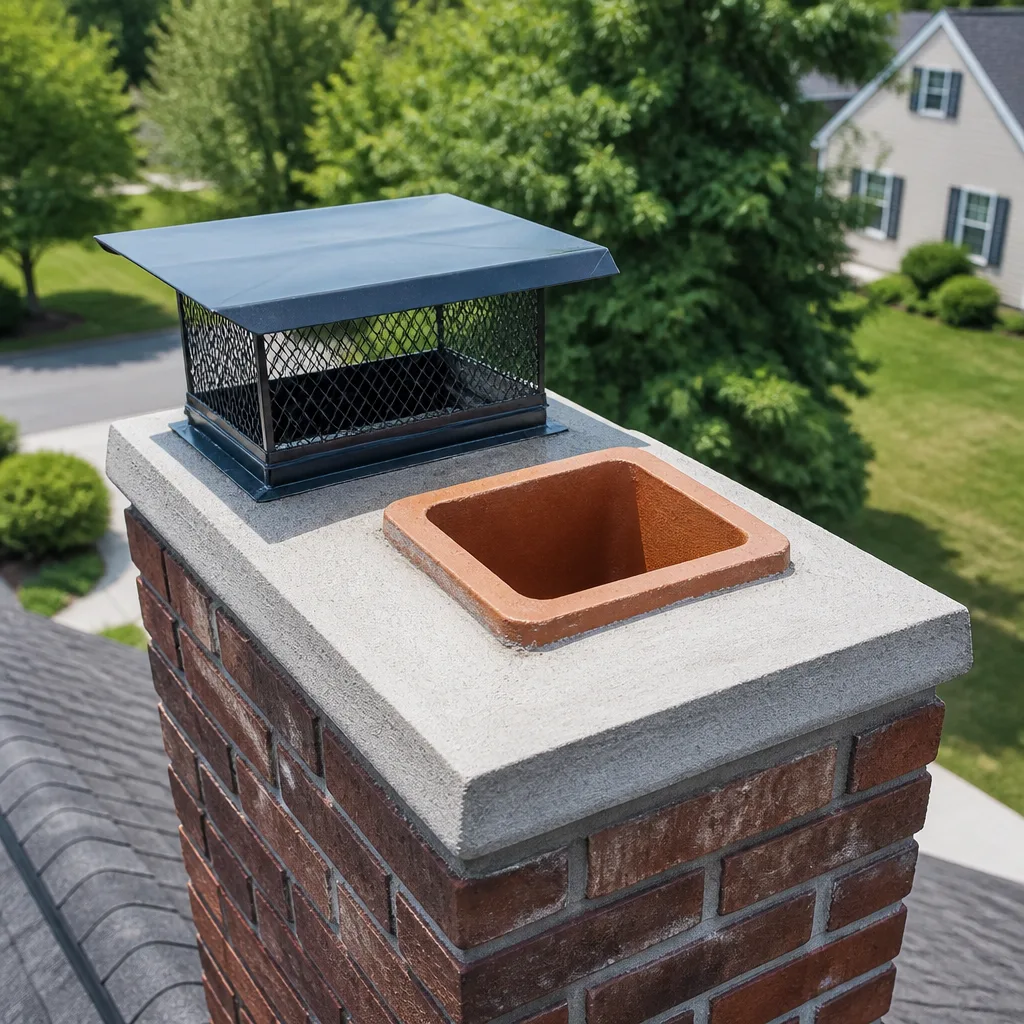
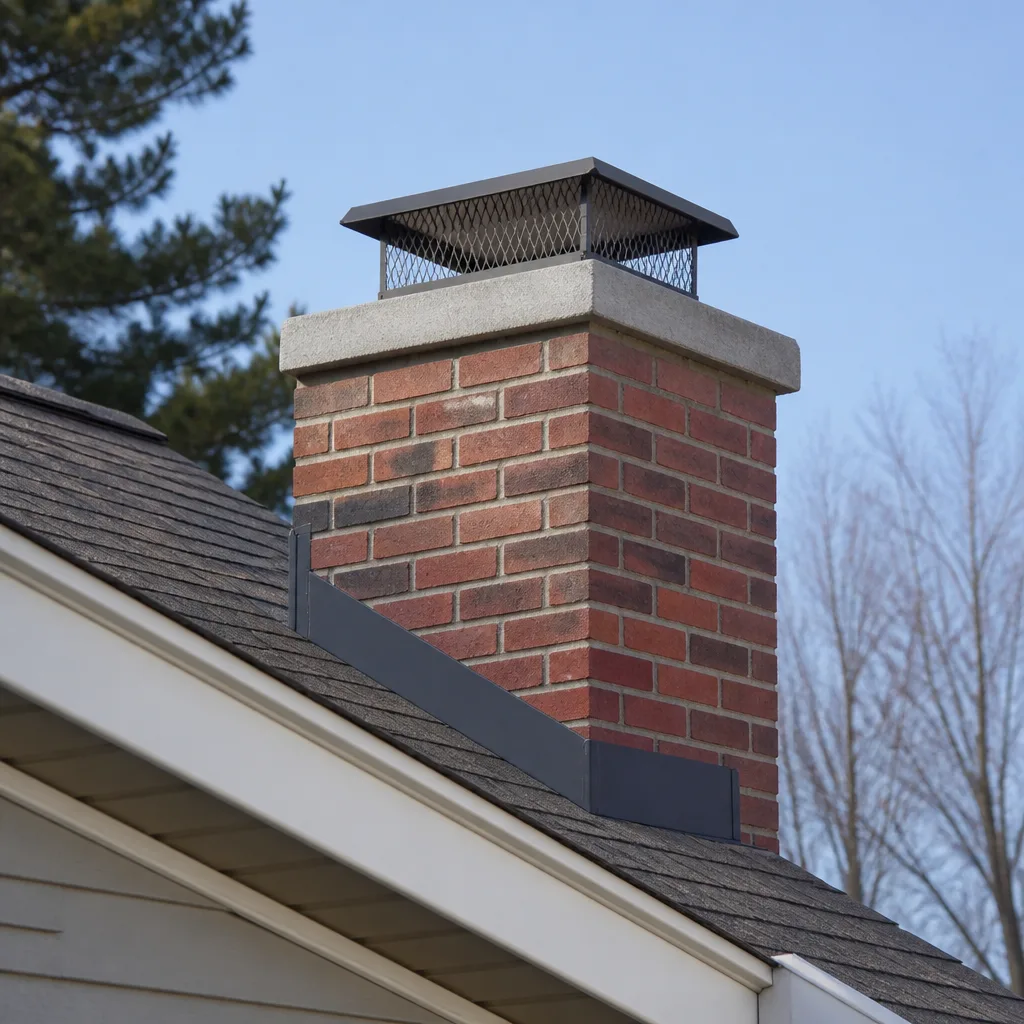
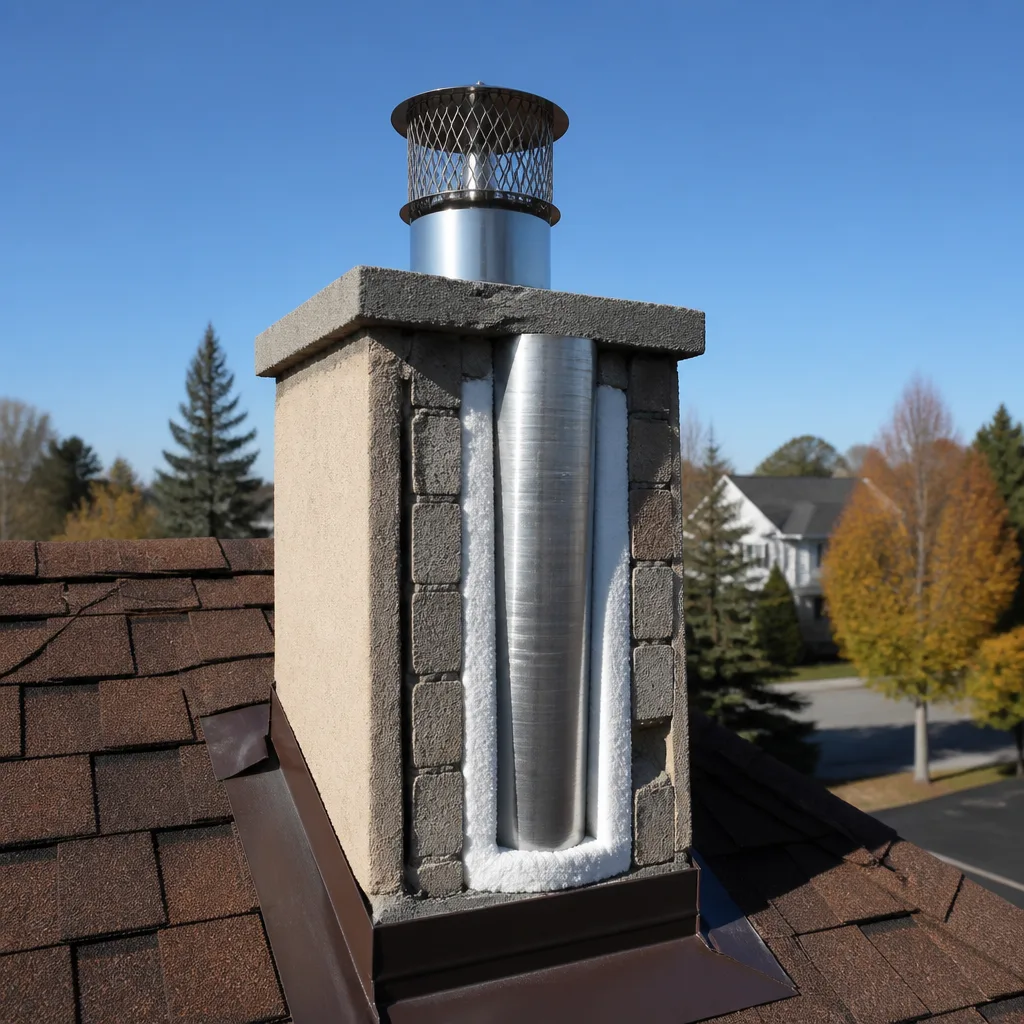
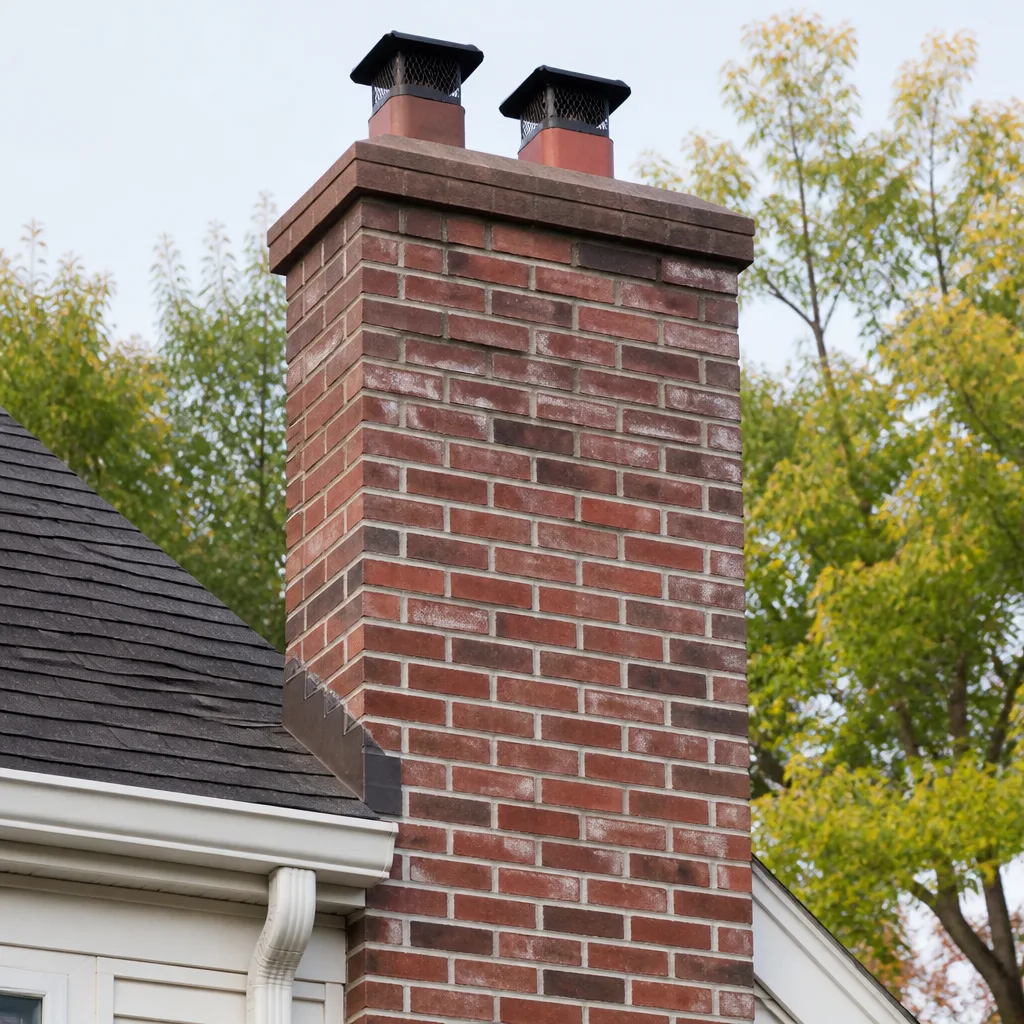
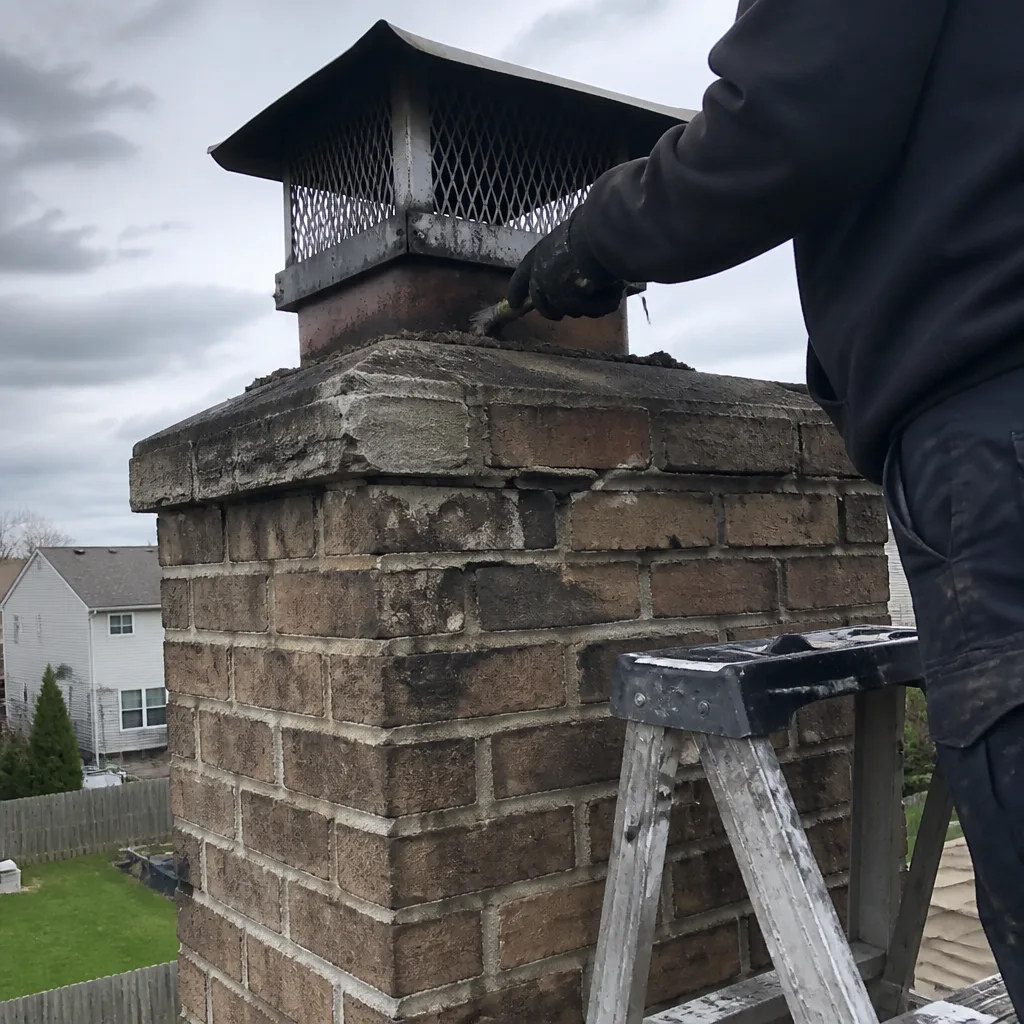 Before
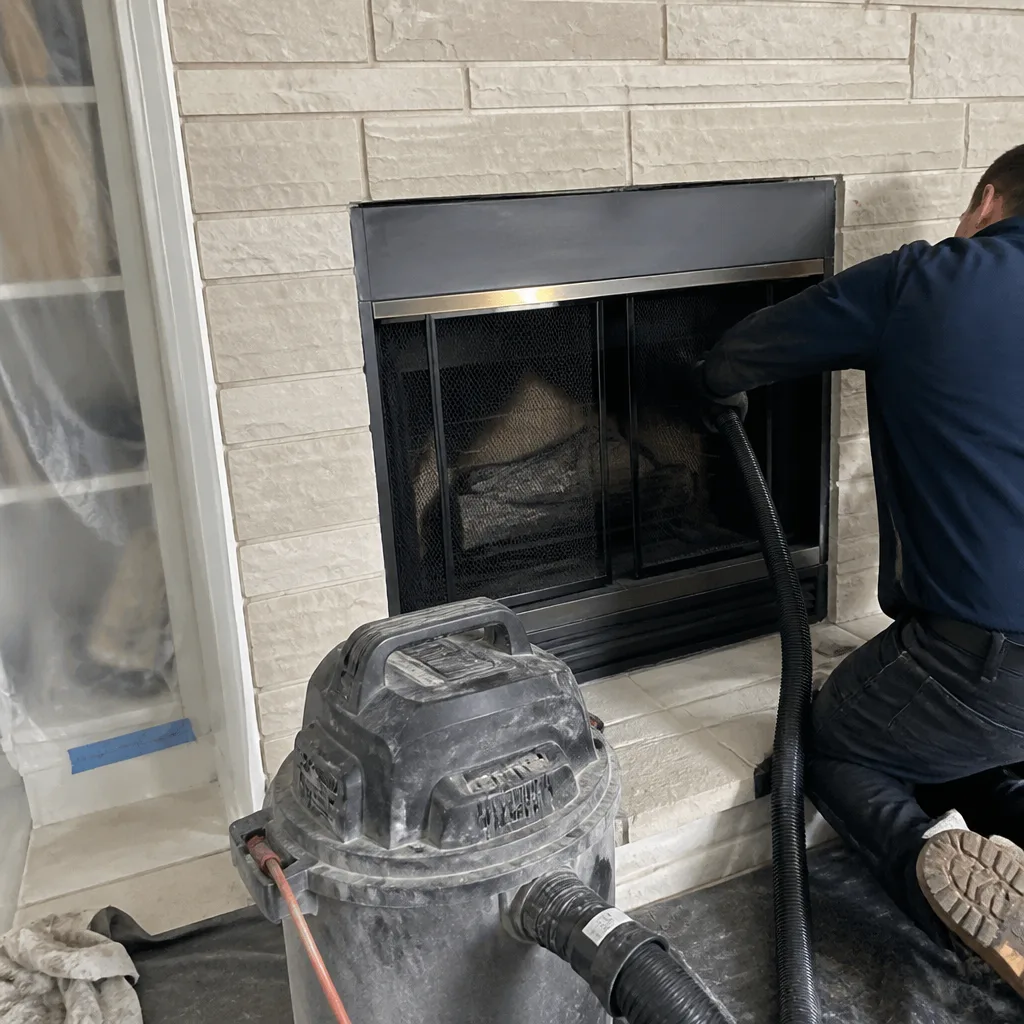 After
After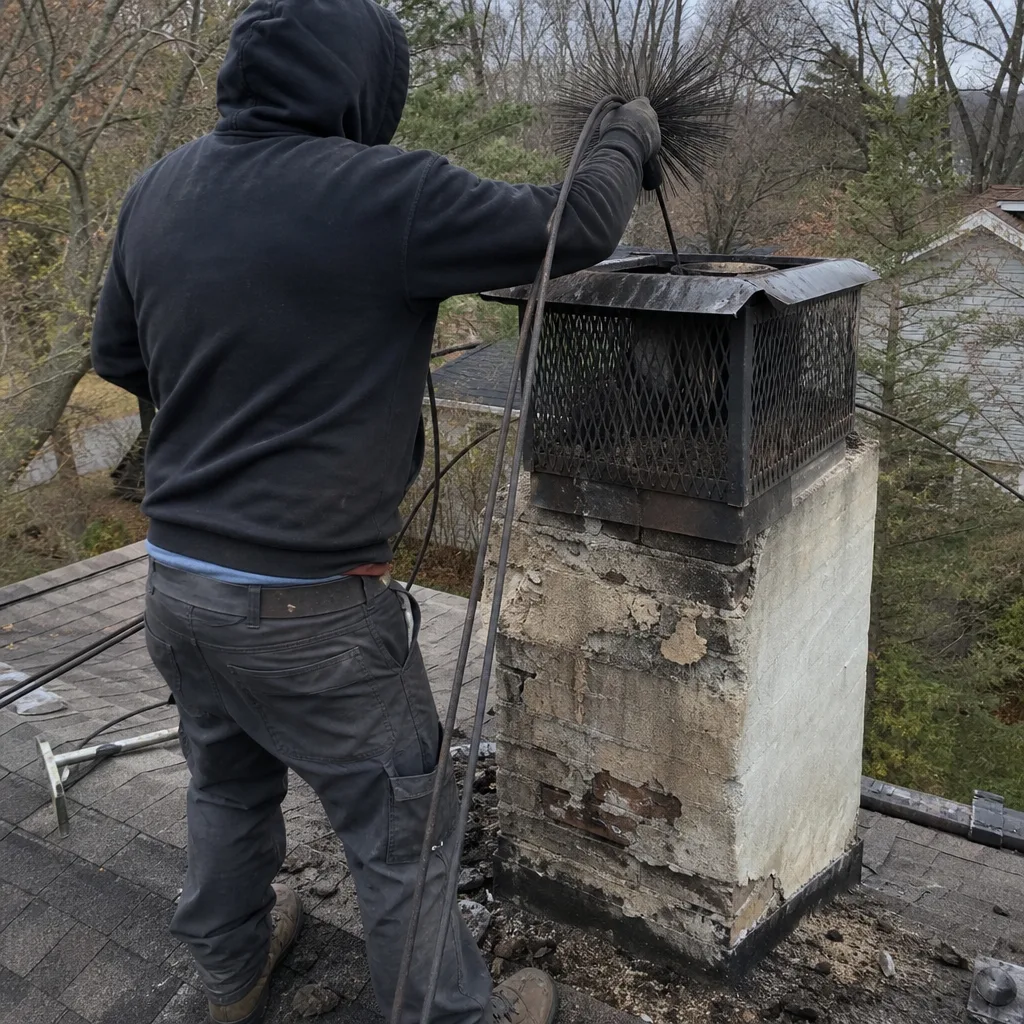 Before
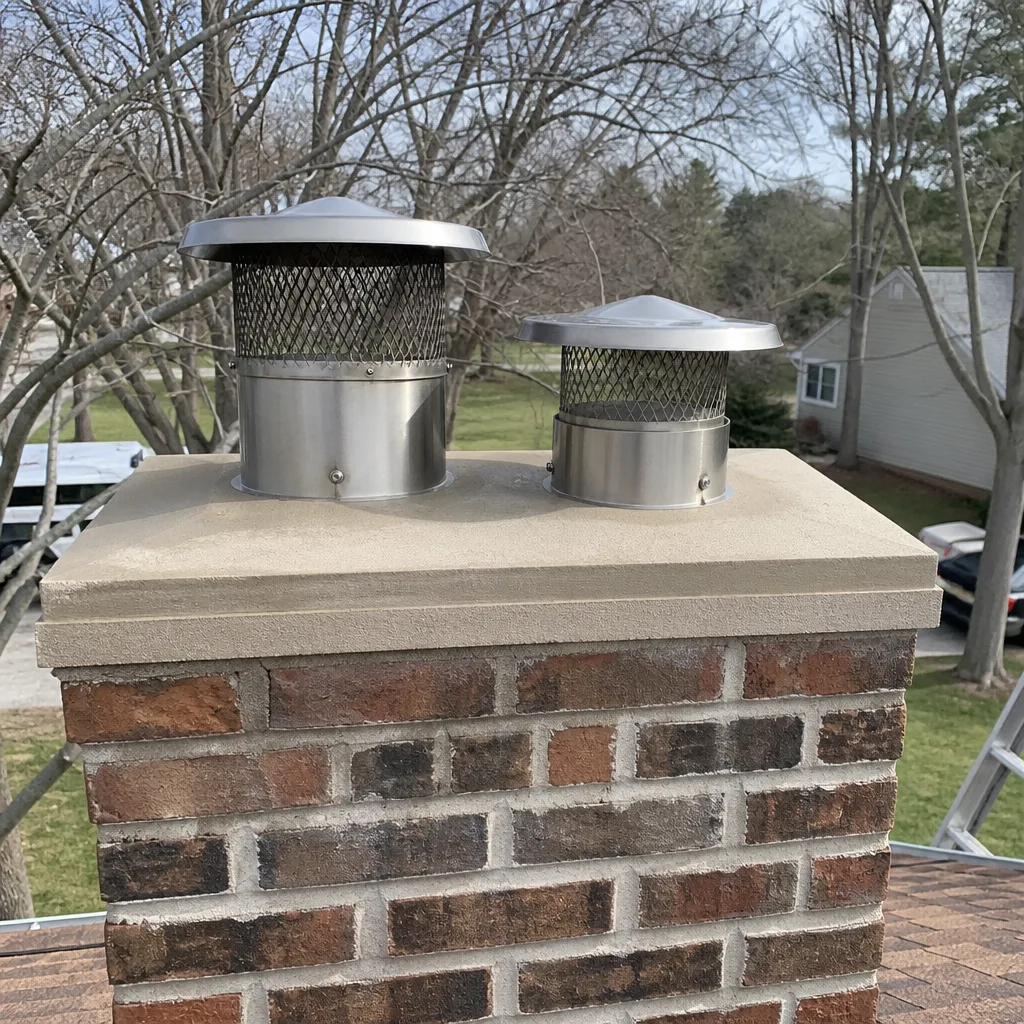 After
After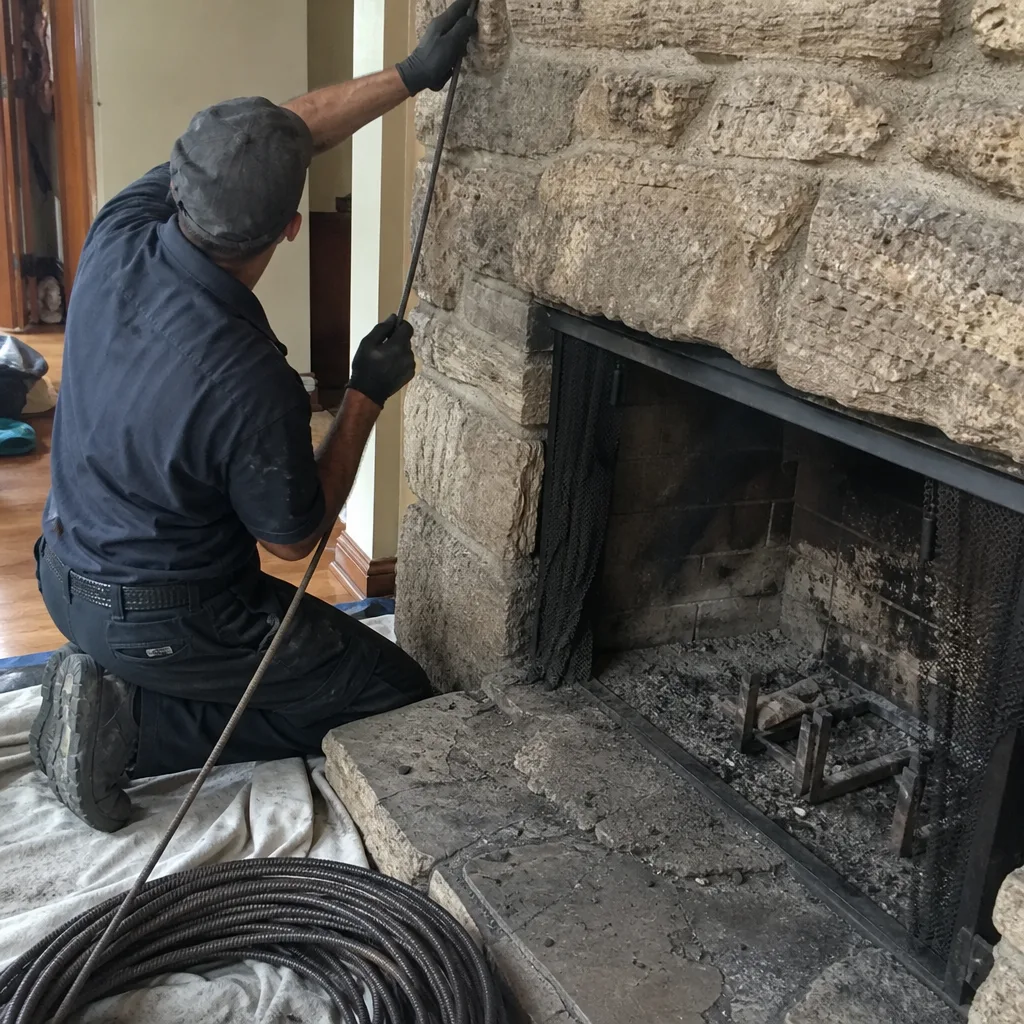 Before
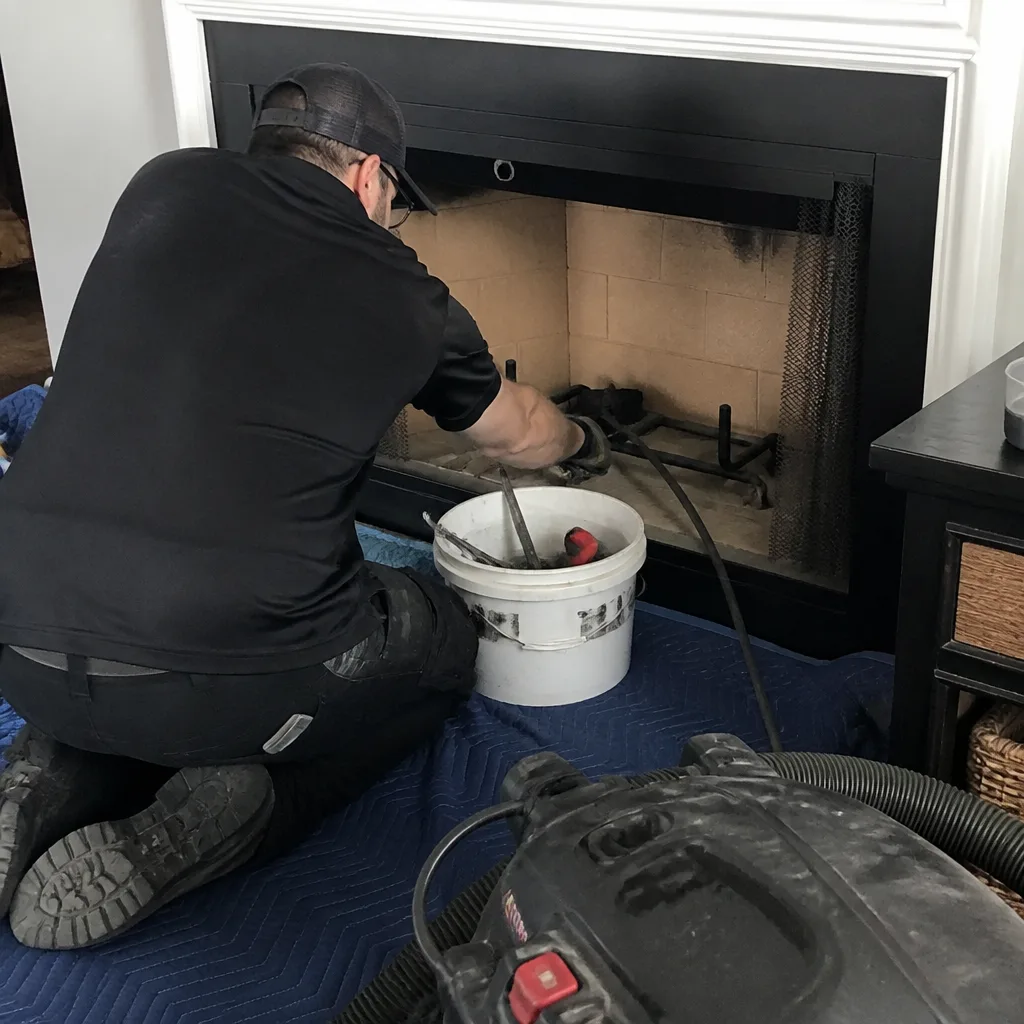 After
AfterCreosote Removal in Hoffman Estates, IL
Creosote removal in Hoffman Estates typically runs $150 to $800 depending on the class of buildup and flue length – and it’s usually completed in a single visit when the deposit is Class I or Class II. Class III creosote (the glazed, tar-like stage) requires chemical treatment and a follow-up, which we’ll document in writing before any work starts.
If you’re burning wood in a Hoffman Estates home this season, creosote buildup is not a question of if – it’s a question of how much and how dangerous. The cold winters here push homeowners to run fires longer and at lower temperatures, which is exactly the combination that accelerates creosote formation inside a flue liner. At Level Two Chimney Hoffman Estates, we’ve been camera-scanning flues and providing Chimney Cleaning & Sweep services since 2009, and we’ve seen what that buildup looks like inside houses from Bradbury Drive to Salem Drive. The problem is real, and the documentation we produce makes it visible to you before we touch a single tool.
Our full Chimney Cleaning & Sweep in Hoffman Estates service is the parent category this work lives under – if you’re unsure whether you need a sweep, an inspection, or targeted creosote removal, a quick call to (331) 200-4445 gets you a live person who can help you sort it out. No voicemail, no callback queue.
When You Need Creosote Removal
- You smell something oily or smoky when the fireplace isn’t in use. That odor is often vaporized creosote condensing on cooler flue walls – common in Hoffman Estates homes with uninsulated exterior chimneys that see big temperature swings from November through March.
- Smoke backs up into the room during startup. Heavy Class II or Class III deposits narrow the flue’s effective diameter, restricting the draft. If you’re cracking a window to manage smoke, the flue is telling you something.
- You haven’t had a camera inspection in more than 12 months and burn wood regularly. The NFPA 211 standard calls for an annual inspection for a reason – one cord of wood is enough to build a meaningful deposit in a poorly drafting flue.
- You see black, flaky debris falling into the firebox. That’s loose Class I creosote breaking off the flue walls. It’s the easiest stage to clean, but its presence means the flue above hasn’t been cleared in a while.
- Your flue liner is terra cotta and the home is pre-1990. Older homes in established Hoffman Estates neighborhoods – particularly around Higgins Road and the sections platted in the 1970s – often have unlined or clay-tile flues that hold creosote in crack joints and offsets that a flashlight inspection simply misses.
- You had a chimney fire, even a small one. A puffing sound, a low roar, or unusual heat in the firebox during a fire can indicate the creosote itself ignited. Even a minor event can crack the liner and should trigger a Level 2 camera inspection before the fireplace is used again. A chimney fire is a safety emergency – do not re-use the fireplace until a professional has inspected and cleared it.
Our Creosote Removal Process
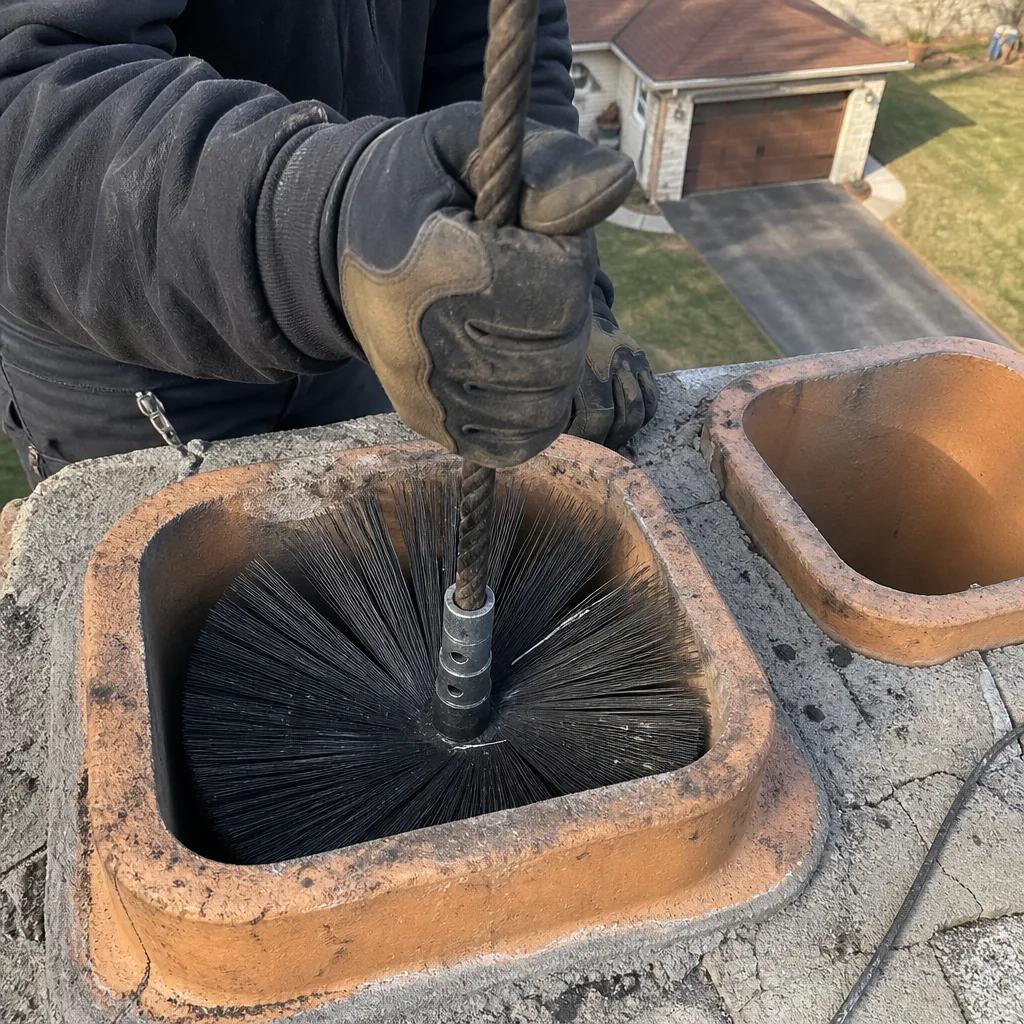
- Camera-scan inspection before any cleaning starts. A technician runs a NFPA 211 Level 2 camera down the full length of the flue. This shows us the class of creosote present, any liner cracks, and the condition of the smoke chamber and smoke shelf. You see the footage. We record it. That record stays on file under Haven Standard Clause 4, and you get a copy. No other company in Hoffman Estates made this the default before we did in 2009.
- Written scope and written price before work starts. Once we know what’s in the flue, we write it down: what we found, what we’re going to do, what it costs, and what warranty applies. You sign off on it. Work doesn’t start until you have that document in hand. This is Haven Standard Clause 1 – not a courtesy, a requirement on every job.
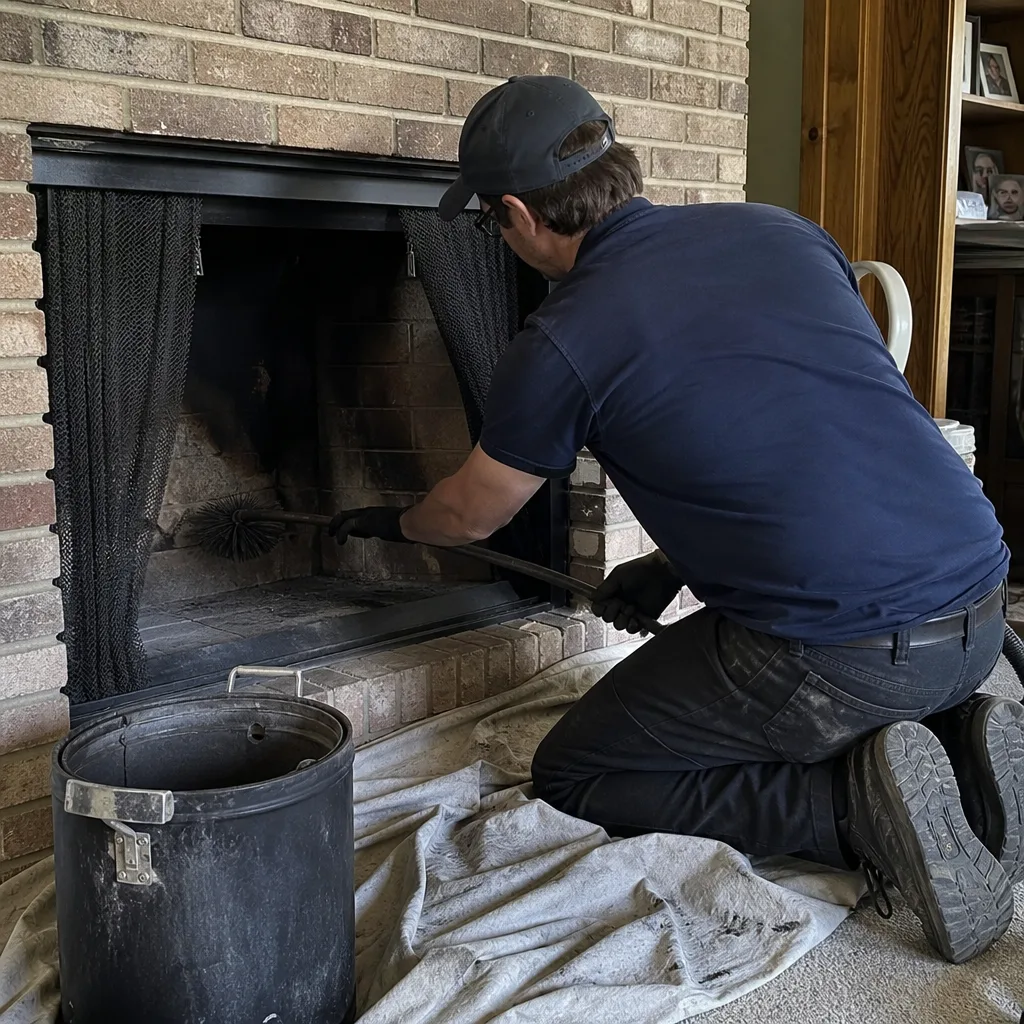
- Mechanical removal for Class I and Class II deposits. For standard flaky or crunchy buildup, we use rotary cleaning systems and hand brushes sized to your specific flue tile diameter. The firebox is sealed and drop cloths protect the surrounding area – the mess stays in the flue and the vacuum, not in your living room.
- Chemical treatment for Class III creosote. Glazed, tar-like Class III deposits don’t respond well to mechanical brushing alone. We apply a chemical desiccant – products from the Copperfield and Olympia Chimney supply lines are the ones we use here, sourced through our buying network to keep material costs honest – that converts the glaze to a brushable consistency. We schedule a follow-up sweep, typically 10 to 14 days out, to remove the treated material.
- Post-cleaning camera scan. After mechanical removal, the camera goes back down. This confirms the deposit is clear, catches anything a brush might have pushed into an offset, and gives you the before-and-after photo record in a single documented visit.
- Written summary and 365-Day Done Right Promise. You receive a written summary of what was found, what was done, and what the flue condition is now. Every creosote removal job is backed by our 365-Day Done Right Promise: if it’s not done right, we make it right. That commitment is stamped on every job under the Haven Standard.
 Before
 After
AfterCreosote Removal Pricing in Hoffman Estates
Creosote removal cost in Hoffman Estates depends on three things: how far the buildup has progressed, the length and configuration of the flue, and whether chemical treatment is needed. Below is a honest breakdown of what you can expect to pay.
| Creosote Class | Description | Typical Price Range |
|---|---|---|
| Class I | Flaky, dry deposits – standard mechanical removal | $150 – $299 |
| Class II | Crunchy, tar-coated deposits – requires heavier brushing and possible rotary tools | $250 – $450 |
| Class III | Glazed, shiny tar – requires chemical treatment plus a follow-up mechanical sweep | $450 – $800+ |
| Camera Inspection (NFPA 211 Level 2) | Included on every visit – not an add-on | Included |
A few things that can move the number in Hoffman Estates specifically: homes with two-story flues or chimneys that serve both a fireplace and a heating appliance take longer to clean and run toward the higher end of each range. Pre-1990 homes with clay tile liners and offset sections – not uncommon in the older sections near Hassell Road or west of Barrington Road – sometimes require more passes because creosote packs into the tile joints at every offset.
Every price we give you is written down before anyone starts work. That’s not a policy we added later – it’s been the standard since we opened. If you have a written estimate from another company, bring it to us. We offer a free second opinion on any written estimate, no strings attached.
Call (331) 200-4445 for an exact quote. Estimates are free, and the price you’re quoted is the price you pay.
What Class III Creosote Means for Your Liner
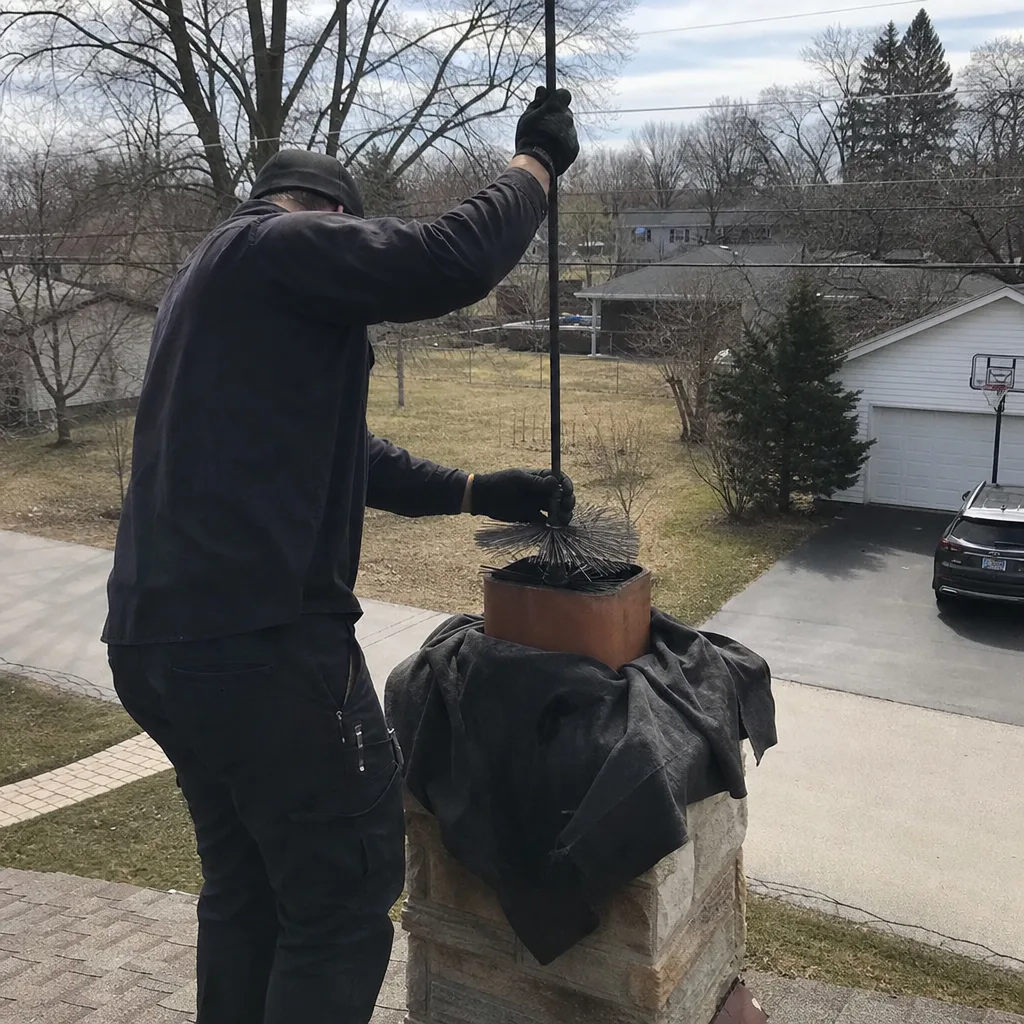
Class III creosote gets its own section because it’s genuinely different from the other two stages – not just more of the same problem.
At Class III, creosote has gone through repeated heating cycles and become a dense, glazed coating that bonds to the flue tile surface. It’s highly flammable, it’s almost impervious to mechanical brushing in its natural state, and when it burns, it burns hot – hot enough to crack terra cotta tile and breach mortar joints. In Hoffman Estates, we see Class III most often in homes where a wood-burning insert was added to an existing masonry fireplace without a proper liner relining – the insert concentrates heat and smoke in ways the original flue tile wasn’t designed for.
The chemical treatment process works by drawing moisture out of the deposit and changing its structure from glaze to crumble. It’s effective, but it takes time – that’s why the follow-up sweep is scheduled 10 to 14 days later, not the same day. Rushing that process doesn’t save money; it leaves residue in the flue.
If a Level 2 Inspection camera scan shows the Class III deposit has already caused liner damage, creosote removal alone doesn’t solve the problem. A cracked flue liner lets combustion gases – including carbon monoxide – pass through the liner wall into the chase or the house structure. That’s a separate repair conversation, and we’ll document exactly what we found and what your options are before you spend a dollar on anything.
High-heat chimney fire situations and suspected liner breaches are not DIY territory. If you have any reason to believe your liner is compromised, stop using the fireplace and call a professional before your next fire.
Why Hoffman Estates Homes Build Creosote Faster
The geography here works against you in a specific way. Hoffman Estates sits in the northwest suburbs where winter temperatures drop hard and stay down – a January overnight low of 5 or 10 degrees Fahrenheit is not unusual. Homeowners here run fires longer, often starting them earlier in the fall and running them later into spring than homeowners in milder climates would.
Cold exterior temperatures also mean that the upper sections of exterior chimneys – the portions above the roofline – get very cold very fast when a fire starts. Warm, moisture-laden combustion gases hit that cold section and the volatile hydrocarbons in the smoke condense out as creosote on the flue wall. A slow, smoldering fire makes this worse because the exhaust temperature is lower; a hot, well-supplied fire produces higher flue temperatures that keep more of those vapors airborne past the cold zone and out the top.
The practical result: Hoffman Estates homeowners who burn two or more cords per season and run cooler, longer fires often accumulate Class II deposits within a single burning season. We see this regularly in homes near the Poplar Creek area and in the subdivisions north of Golf Road where lots are larger and wood-burning fireplaces are the primary supplemental heat source.
Key Takeaways
- Creosote removal in Hoffman Estates costs $150 to $800+ depending on the creosote class – written price always delivered before work starts.
- Class I and II removal is typically completed in a single visit; Class III requires chemical treatment and a follow-up sweep.
- Every visit includes a camera scan (NFPA 211 Level 2) and a documented photo record – included as standard, not an add-on.
- Cold winters and exterior chimney design in Hoffman Estates accelerate creosote formation – annual cleaning is the minimum, not the recommendation for high-use fireplaces.
- Every job is backed by the 365-Day Done Right Promise. If it’s not done right, we make it right.
- Free second opinion on any written estimate from another company.
FAQs – Creosote Removal in Hoffman Estates
How much does creosote removal cost in Hoffman Estates?
Creosote removal in Hoffman Estates runs $150 to $800 or more, depending on whether the buildup is Class I (flaky, easiest to remove), Class II (crunchy and tar-coated), or Class III (glazed and requiring chemical treatment). The camera inspection used to classify the deposit is included in every visit at no extra charge. Call (331) 200-4445 for a written quote specific to your flue – estimates are free.
Is creosote removal something a homeowner can do themselves?
Class I creosote – loose, flaky soot – can sometimes be reduced with consumer-grade chimney brushes, but it almost never gets fully cleared without professional equipment, and it tells you nothing about what’s happening further up the flue. Class II and Class III buildup should not be attempted as a DIY project. Class III in particular involves chemical agents that require proper handling, and any attempt to mechanically break up a glazed deposit in a cracked flue can push debris into a damaged liner and worsen the problem. More practically: you won’t know what class you’re dealing with until a camera has been down the flue. That step is the starting point, not an optional extra.
How long does creosote removal take?
Class I and Class II removal is typically done in 90 minutes to two and a half hours, including the Level 1 Inspection camera scan and the post-cleaning confirmation pass. Class III jobs require the initial visit for chemical application, then a second visit 10 to 14 days later for mechanical removal of the treated deposit. We’ll tell you exactly which situation you’re in – and what each visit costs – before anything starts.
How often should creosote be removed from a Hoffman Estates chimney?
NFPA 211 calls for an annual inspection for any chimney in active use, and removal should happen any time the deposit reaches a measurable thickness – generally 1/8 inch or more. In Hoffman Estates, where winters push homeowners to burn longer and exterior chimneys run cold, we typically recommend a sweep after every cord burned if you’re running a high-use fireplace. Waiting for visible smoke or odor problems usually means the deposit is already past Class I. Call (331) 200-4445 to schedule an inspection and find out exactly where your flue stands.
Schedule Your Creosote Removal in Hoffman Estates
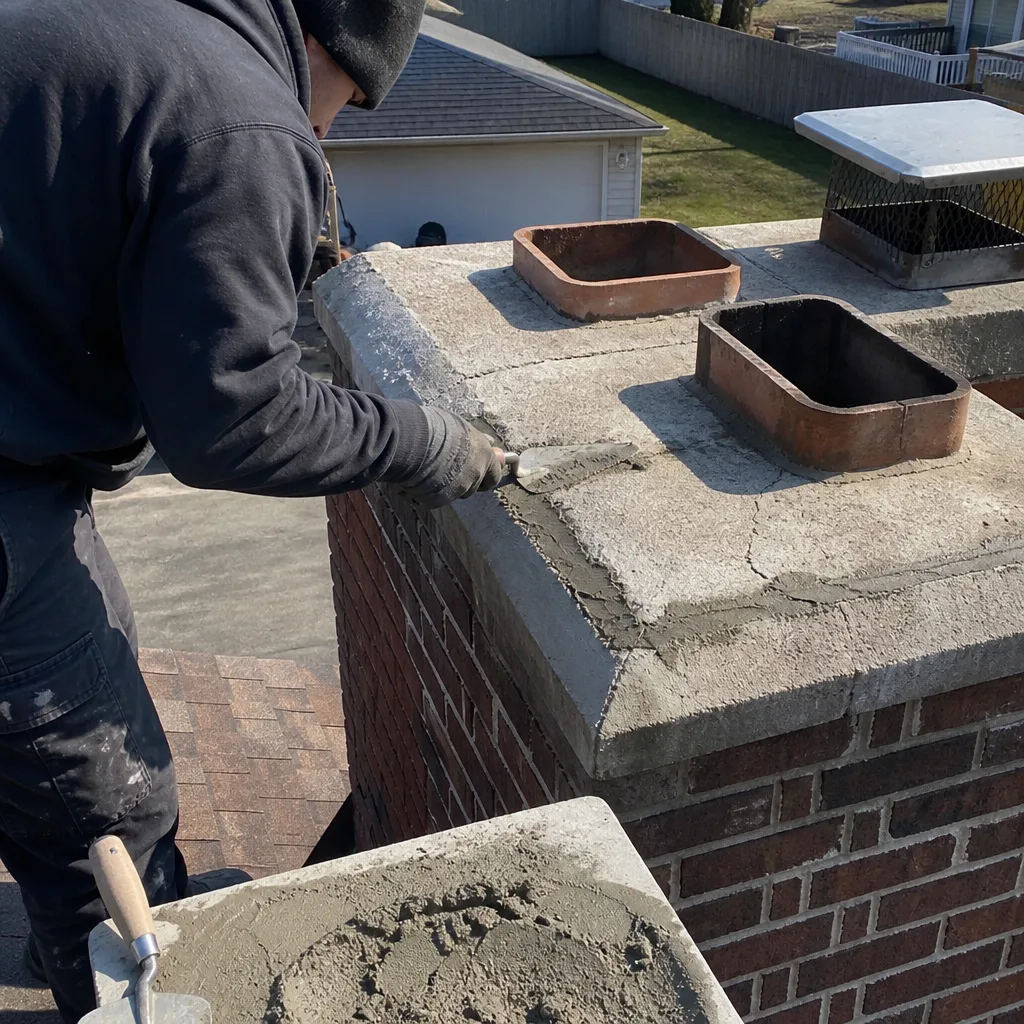
If you’re not sure what’s in your flue, that’s exactly what the camera is for. Level Two Chimney Hoffman Estates sends a background-checked, uniformed technician to your door with a written price in hand before any work starts. You get the camera footage, the photo record, and a documented summary when the job is done – all under the Haven Standard that’s been the baseline on every job we’ve done since 2009. Across more than 38,000 chimney inspections and cleanings, the process hasn’t changed: find it, show it, price it in writing, fix it right.
Call (331) 200-4445 to schedule a free estimate. A live person answers around the clock – no voicemail, no form, no waiting. If you have a written estimate from another company, bring it to us and we’ll give you a free second opinion.
You can also learn more about the full scope of our work on the Level Two Chimney Hoffman Estates home page.
Written by Corrine Halstead, Owner at Level Two Chimney Hoffman Estates, serving Hoffman Estates.