
Last updated September 22, 2026
Level 1 sweep and inspection to the NFPA 211 annual standard - flue, crown, cap, and flashing checked and photographed
Chimney sweep logs do not sweep chimneys. They loosen some creosote - which then falls where a brush and vacuum still have to collect it.
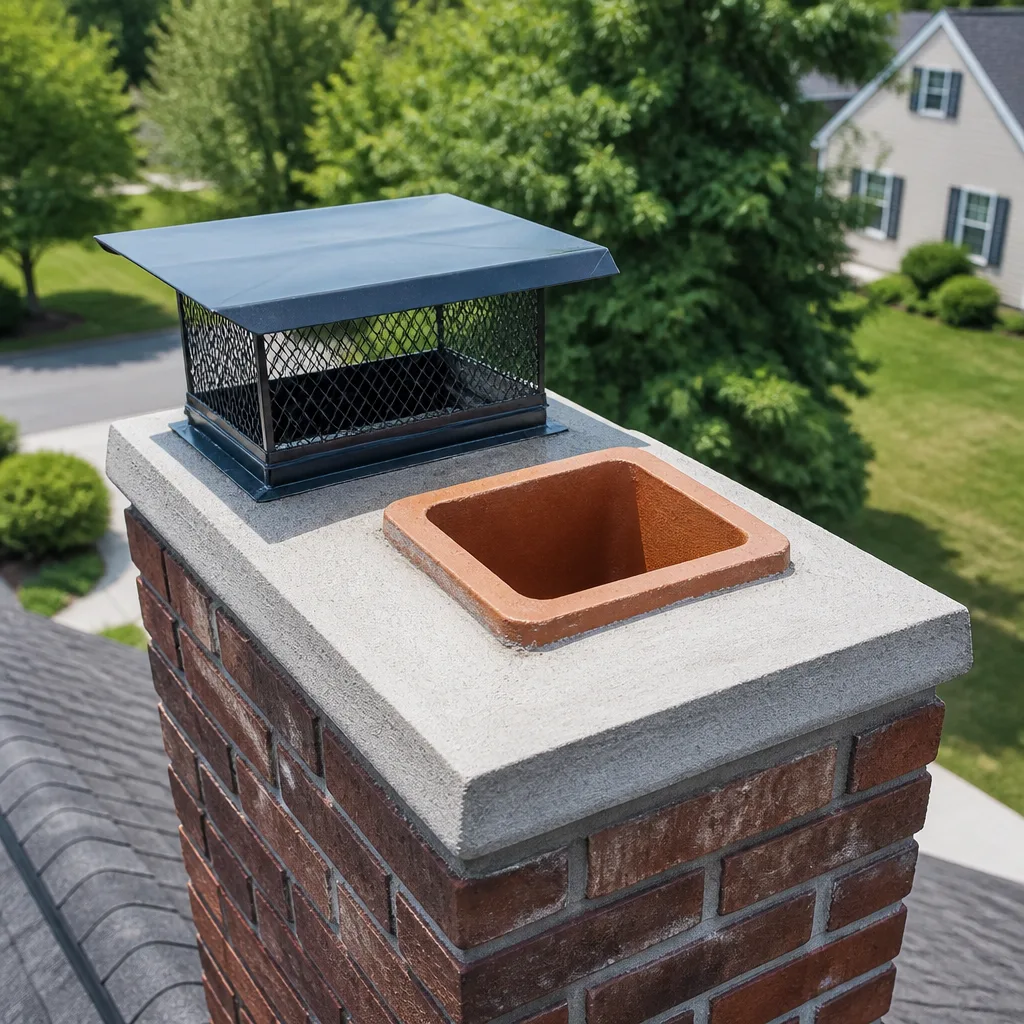
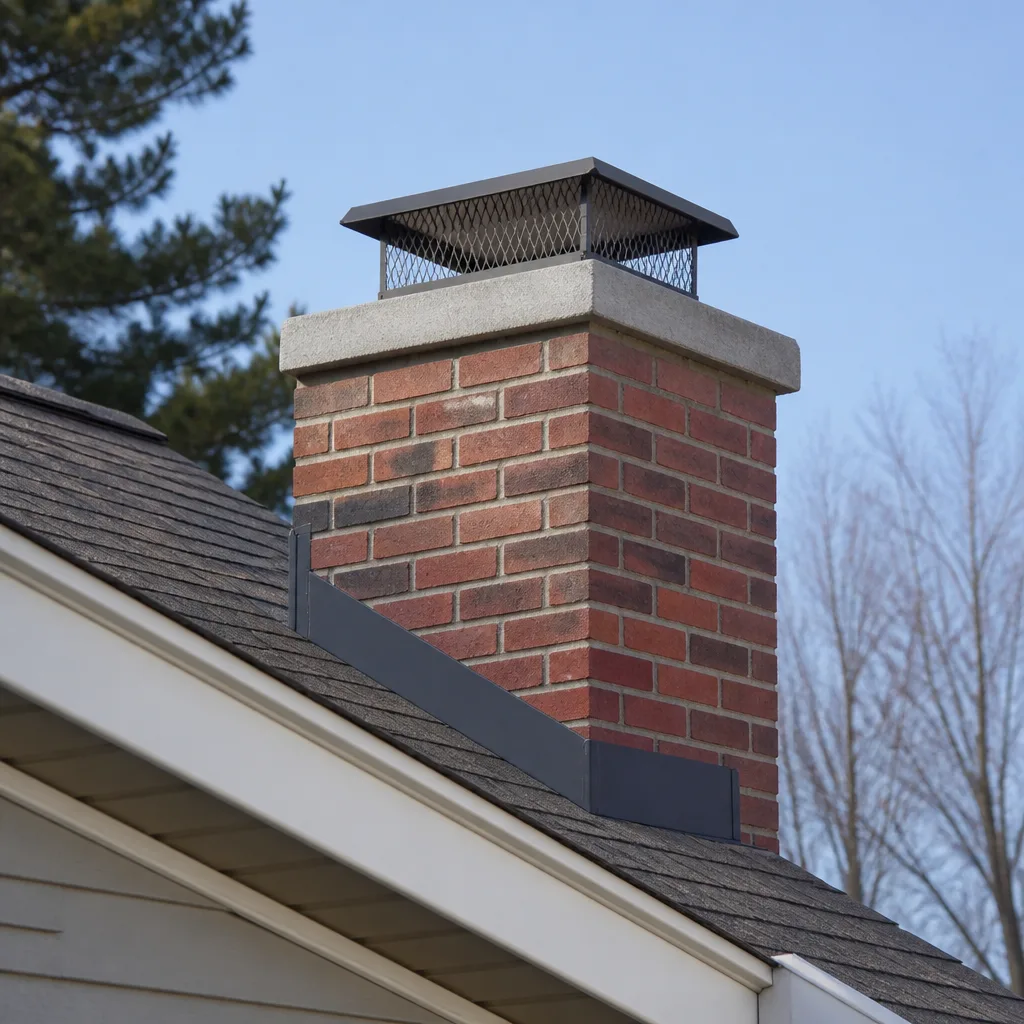
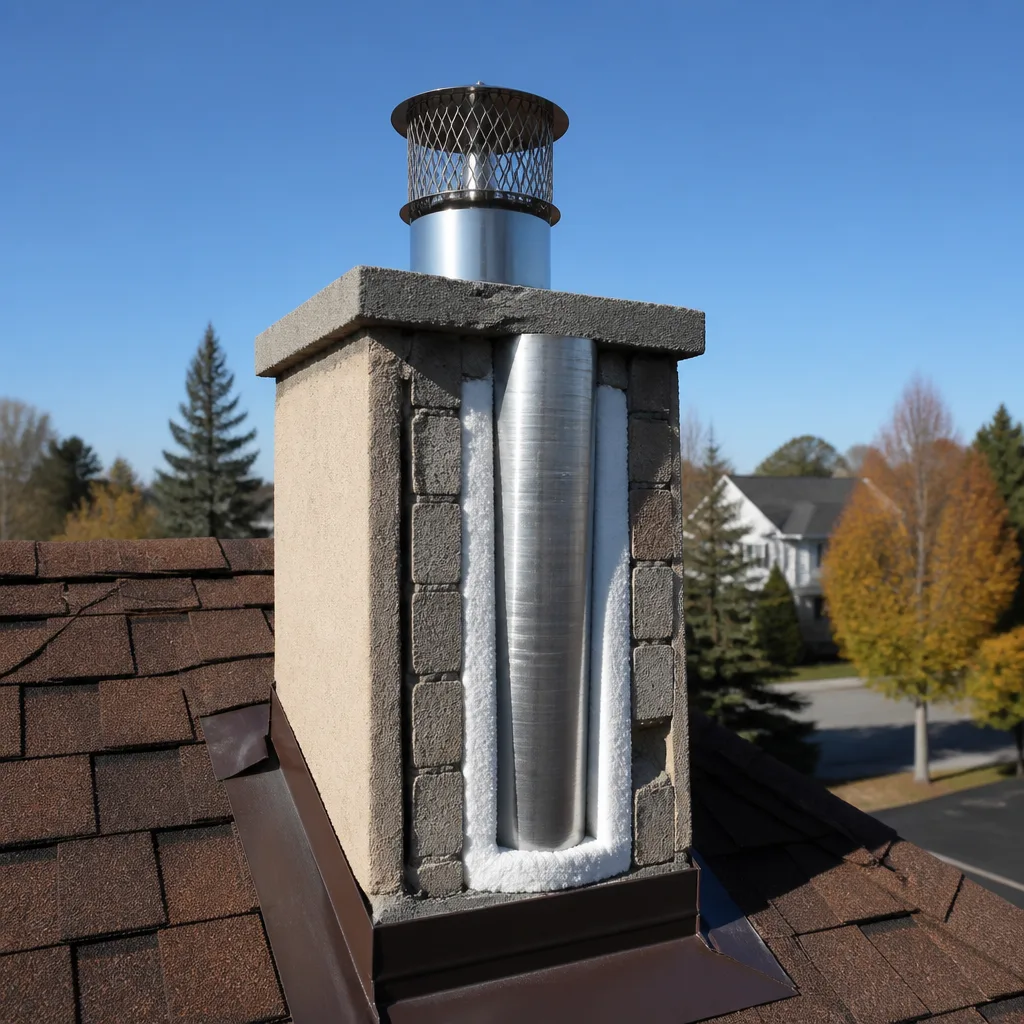
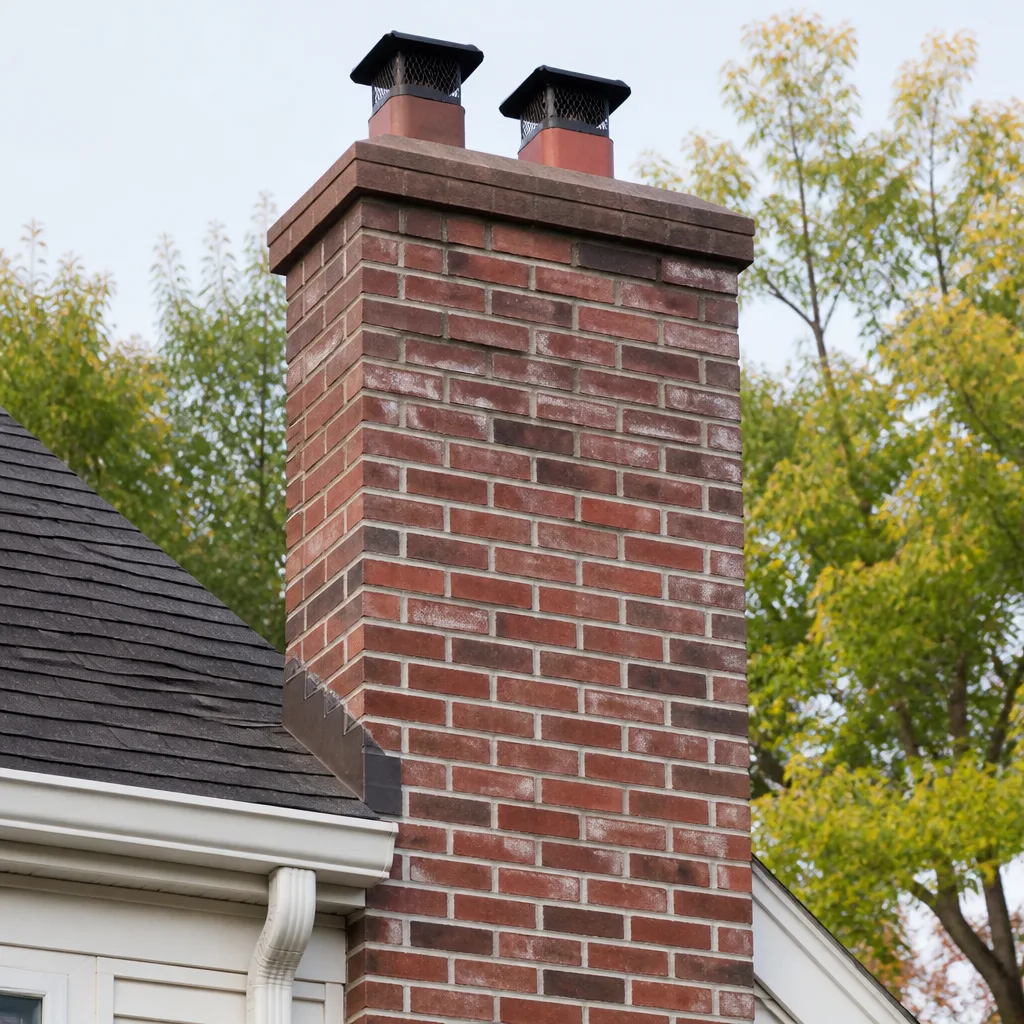
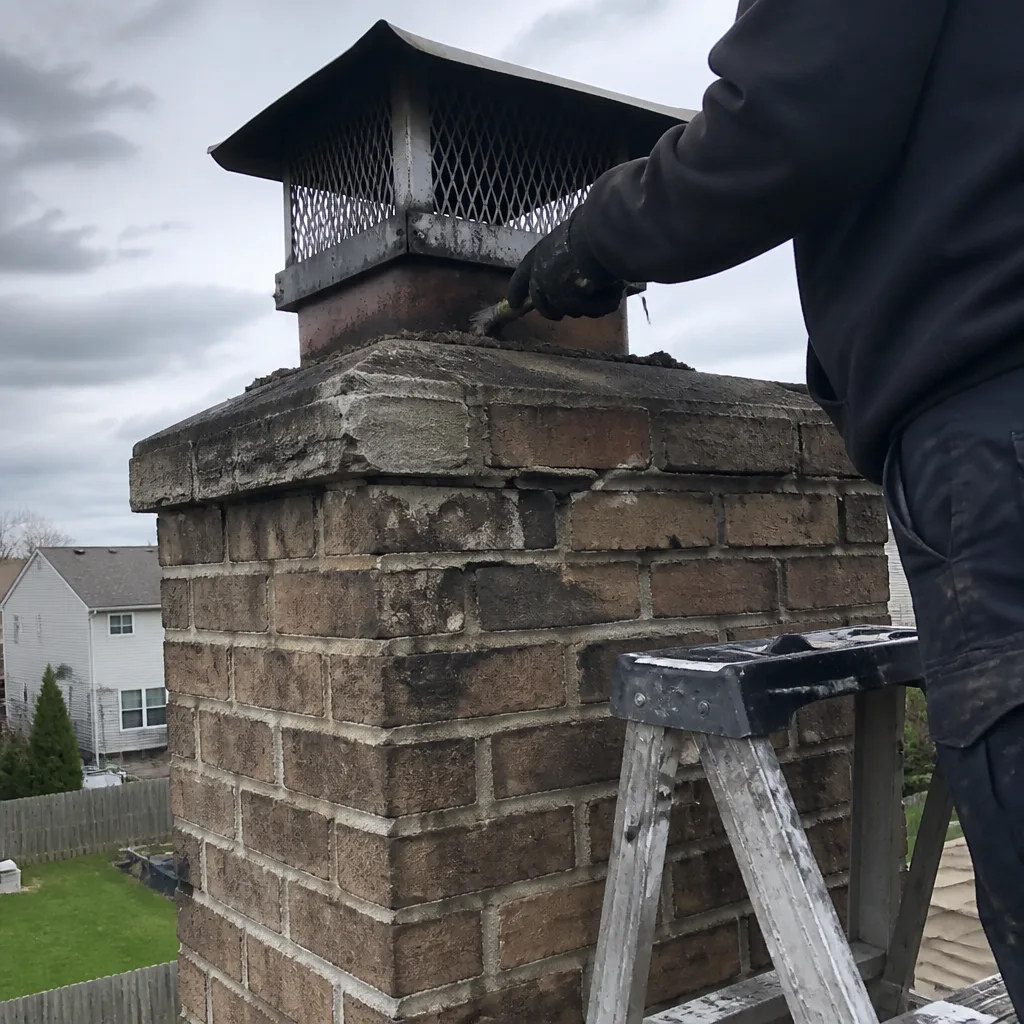 Before
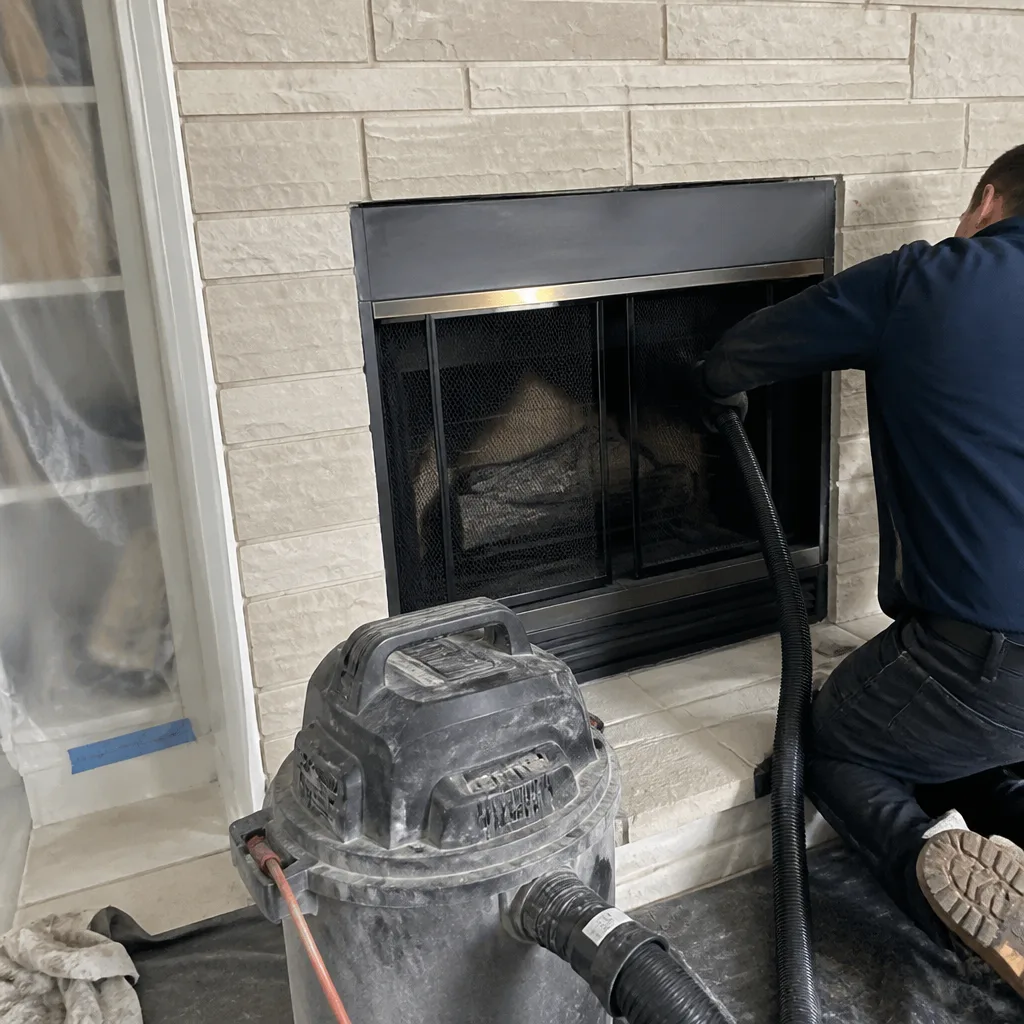 After
After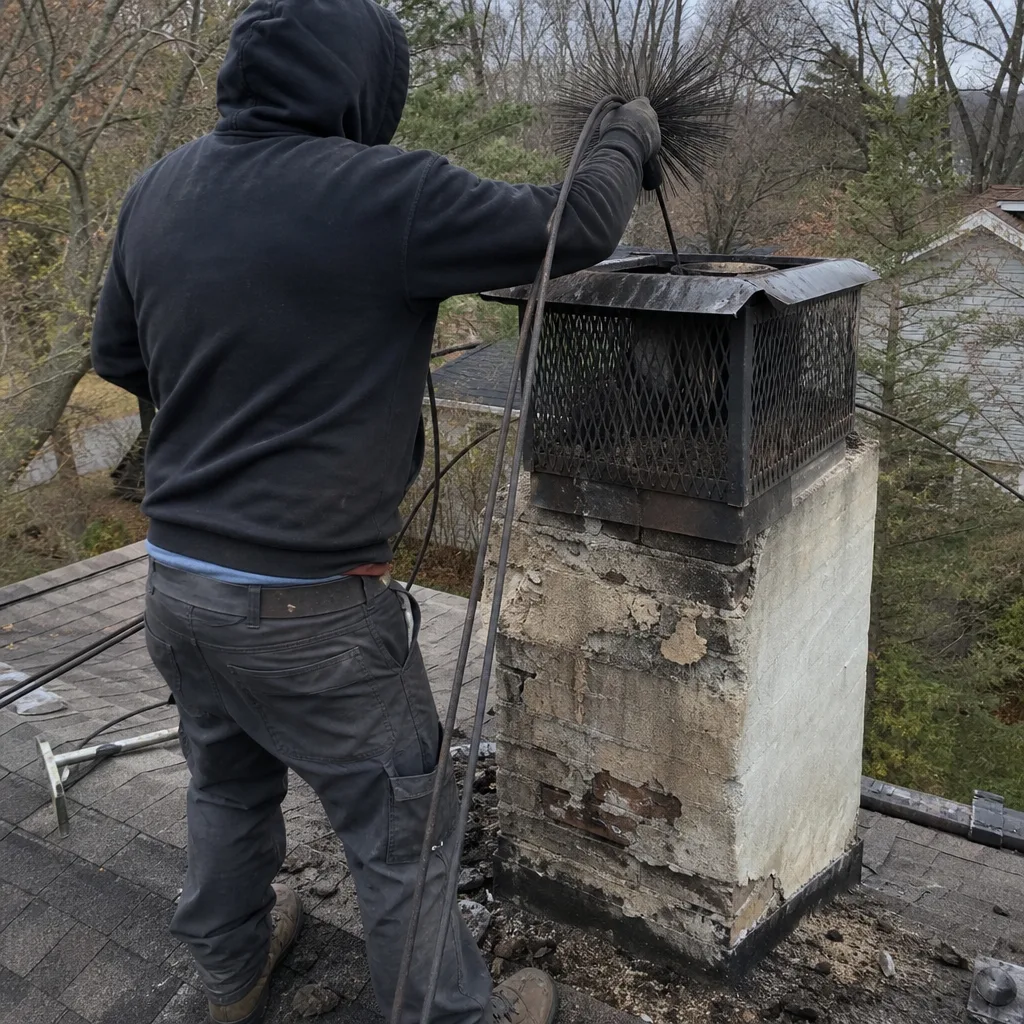 Before
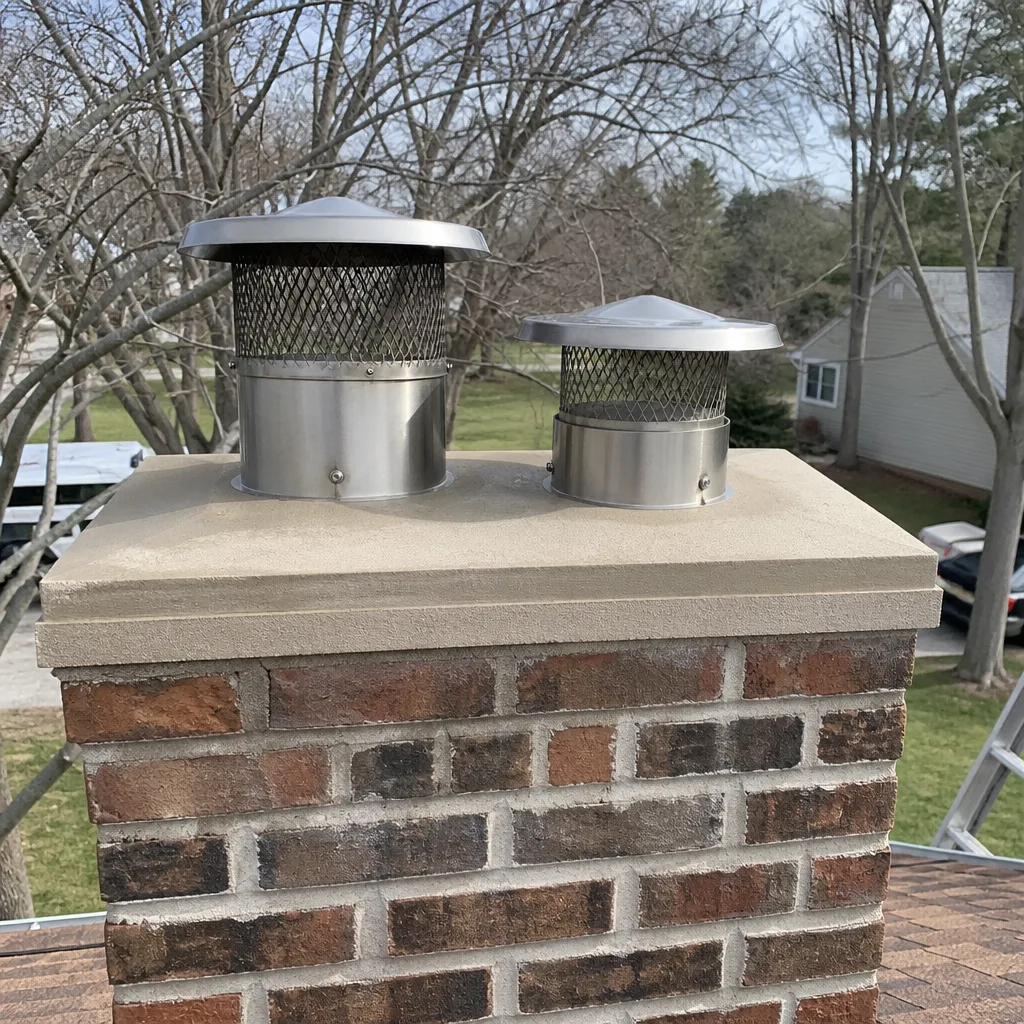 After
After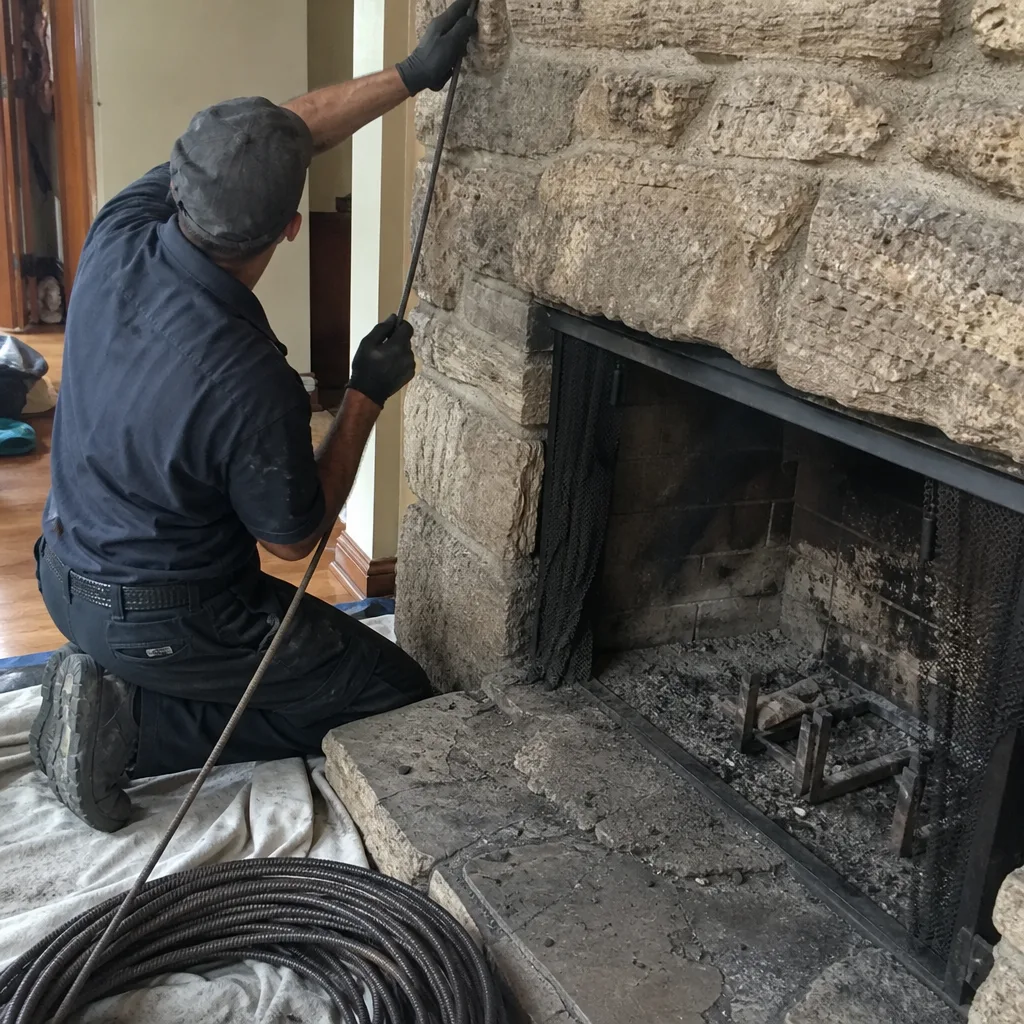 Before
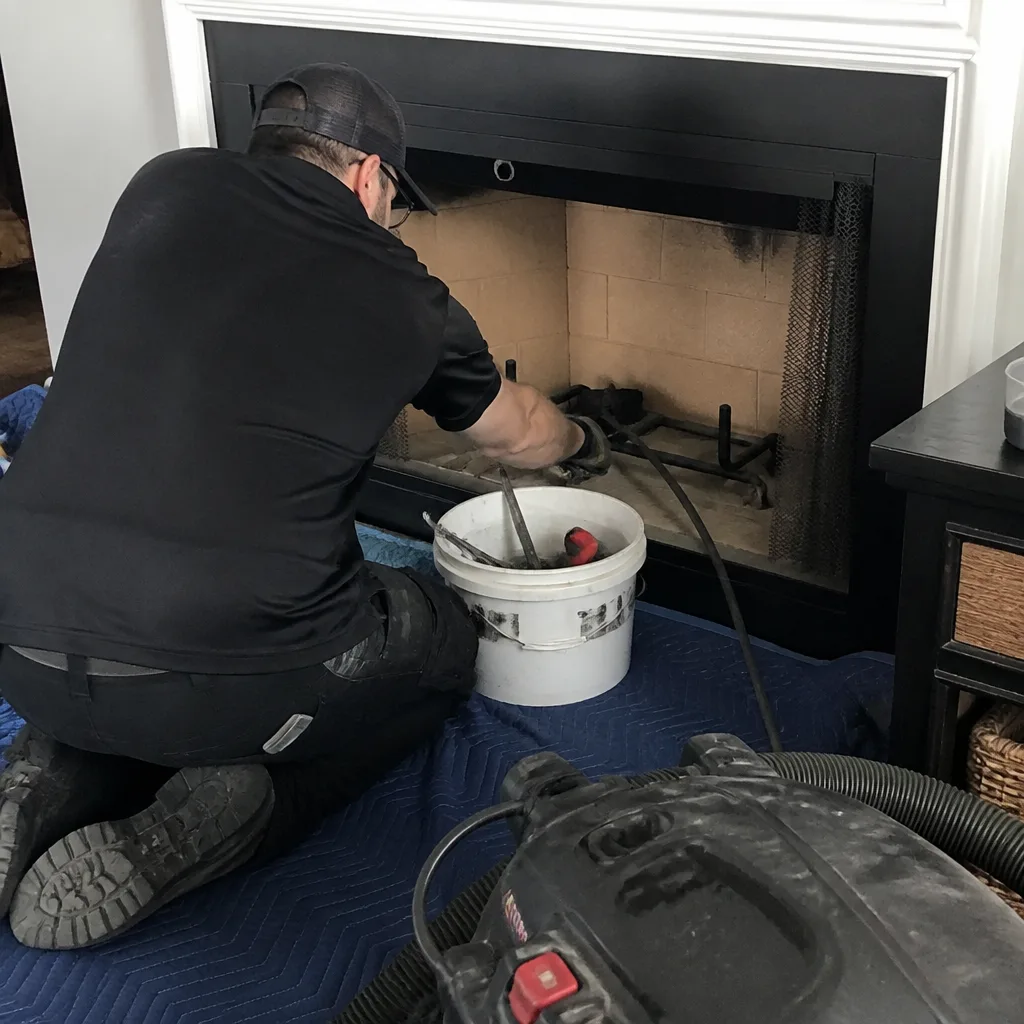 After
AfterDIY vs Professional Chimney Cleaning: The Hoffman Estates Homeowner’s Decision Guide
Every year, a few Hoffman Estates homeowners ask us whether they can clean their own chimney. Most of them are handy people, the kind who’ve replaced their own water heater or tiled a bathroom. And here’s the part that surprises them: physically brushing a flue is not the hard part. The hard part is proving what condition it was in before you started, what you actually found, and whether the work you did meets the standard your insurance policy, your home sale contract, or a fire marshal will accept afterward. In Hoffman Estates, where home values in neighborhoods like Winston Knolls and Westbury range from the mid-$300s to well above $500,000, an undocumented chimney cleaning can become a five-figure liability at closing. This guide walks through what DIY chimney cleaning actually requires, when it’s a defensible choice, and why documentation, not technique, is the real decision point. For more guides & resources on keeping your home safe, see our blog.
Quick Answer
DIY chimney cleaning in Hoffman Estates is physically possible for a single-story home with a straight flue and confirmed first-degree creosote, but it produces no camera record, written condition assessment, or third-party sign-off. Professional service from a certified sweep includes NFPA 211 Level 2 camera inspection, documented photo records, and a written warranty, which are required by most Illinois homeowner insurance policies and resale disclosure law. If you’re evaluating contractors, read How to Hire a Chimney Cleaning Contractor in Hoffman Estates: A Step-by-Step Guide before you decide. For most Hoffman Estates homeowners, the cost gap between DIY and professional service is smaller than the liability gap if something goes wrong.
Table of Contents
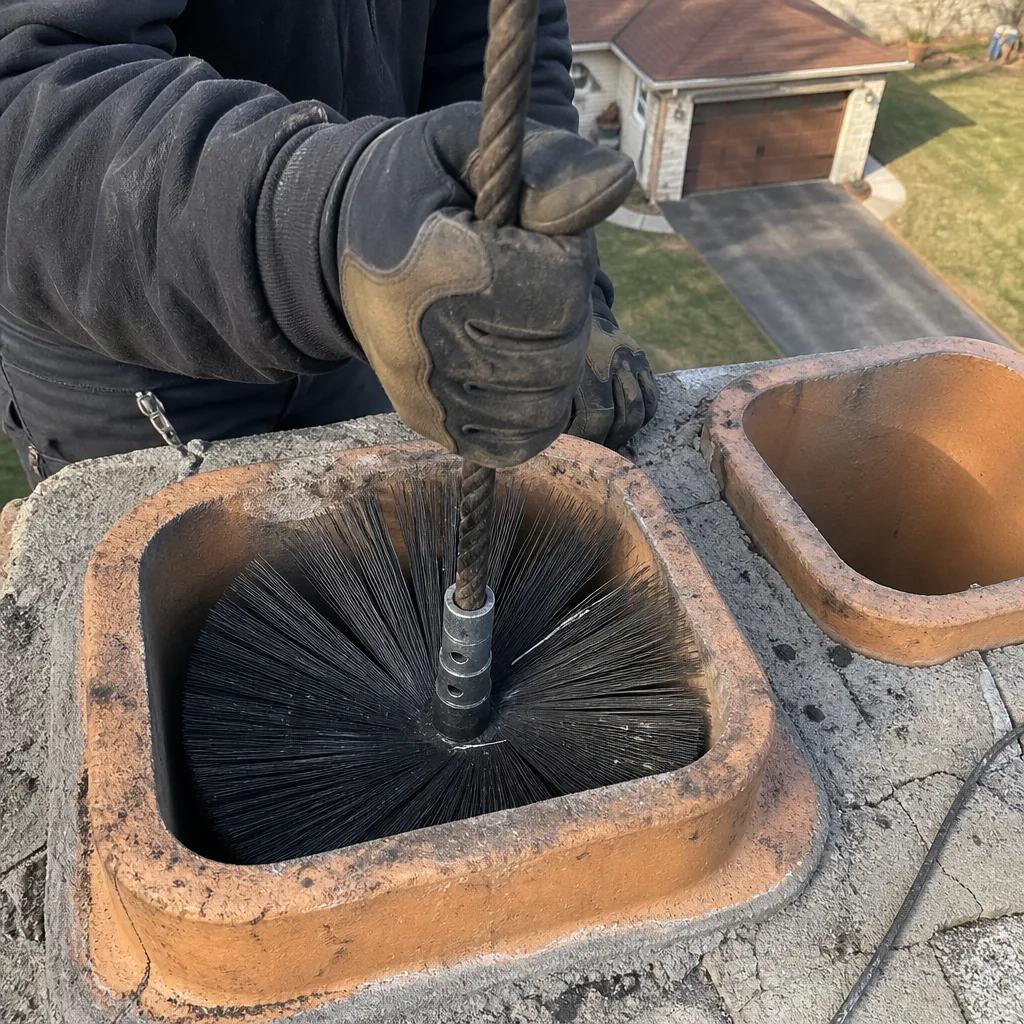
- What DIY Chimney Cleaning Actually Requires
- When DIY Is a Defensible Choice
- The Documentation Gap: Why It Matters More Than Technique
- First-, Second-, and Third-Degree Creosote: What DIY Can’t Handle
- True Cost Comparison: DIY vs Professional in Hoffman Estates
- Hoffman Estates-Specific Factors: Climate, Codes, and Resale
- Common Mistakes to Avoid
- When to Call a Professional
- Frequently Asked Questions
- The Bottom Line
 Before
 After
AfterWhat DIY Chimney Cleaning Actually Requires
A homeowner who wants to clean their own chimney correctly needs more than a brush and a ladder. The tool list alone runs longer than most online tutorials suggest, and the safety equipment is non-negotiable for work involving heights, confined flue spaces, and combustible residue.
Required Tools and Equipment
- Chimney brush with correct diameter. The brush must match the flue liner’s inner dimension exactly. A 6-inch round flue takes a 6-inch brush; an 8-by-12-inch rectangular flue needs a custom-fitted rectangular brush. An oversized brush binds in the flue. An undersized brush leaves creosote on the walls.
- Fiberglass extension rods. Standard lengths are 3 feet and 6 feet. For a two-story Hoffman Estates home with a chimney height of 25 feet above the roofline, you’ll need 30+ feet of rod to reach from the top down, or a bottom-up system that works from the fireplace opening.
- HEPA vacuum rated for ash and fine particulate. Standard shop vacuums lack the filtration to capture creosote particles, which are carcinogenic and extremely fine. Rental cost in the Hoffman Estates area runs $45-$75 per day for a suitable unit.
- Personal protective equipment: respirator with P100 filters (not a dust mask), safety glasses, heavy work gloves, and fall protection if working on the roof.
- Drop cloths and sealing materials. The fireplace opening must be sealed with plastic sheeting and tape to prevent soot infiltration into the living space during a top-down cleaning.
- Flashlight or borescope for visual inspection. A smartphone flashlight is insufficient. A basic borescope with 3.3-foot reach costs $30-$60 and provides limited visibility compared to professional chimney cameras.
Brush Selection: The Step Most DIYers Get Wrong
The correct brush diameter is measured against the flue liner’s inner dimension, not the chimney’s exterior brick width. In Hoffman Estates homes built between 1965 and 1995, we commonly find clay tile liners with 8-by-8-inch or 8-by-12-inch interior dimensions. Newer construction, particularly in subdivisions like Highland Pass and Remington Trails, often uses 6-inch round stainless steel liners from Olympia Chimney or DuraFlex. Using a 7-inch brush in a 6-inch liner will lodge the brush permanently; using a 6-inch brush in an 8-inch liner leaves two inches of creosote untouched on each wall.
Metal bristle brushes are for masonry flues only. Polypropylene brushes are for stainless steel liners. Using a metal brush on a stainless liner from HeatShield or Gelco will score the metal and create creosote adhesion points that accelerate future buildup.
Creosote Disposal in Cook County
Creosote is classified as a hazardous waste in Illinois when removed in quantity. Cook County residents cannot dispose of creosote in household trash. The Illinois Environmental Protection Agency requires disposal through a licensed hazardous waste handler. For a typical residential cleaning producing 2-5 pounds of creosote, disposal cost through a Cook County-approved handler runs $35-$80. Burning creosote in a backyard fire is illegal and carries fines starting at $500.
The Actual Time Investment
A straightforward DIY cleaning on a single-story, straight flue with first-degree creosote requires:
- Tool acquisition or rental: 2-4 hours (travel, pickup, return)
- Setup and sealing: 45-60 minutes
- Brushing and vacuuming: 90-120 minutes
- Visual inspection with borescope: 30-45 minutes
- Cleanup and disposal: 45-60 minutes
- Total: 5.5-8.5 hours for a job that a professional completes in 90-120 minutes with two technicians
In our experience across 38,000+ inspections since 2009, the homeowners who attempt DIY cleaning and later call us typically spent a full Saturday on the work and still needed professional service to address what they missed or damaged.
When DIY Is a Defensible Choice
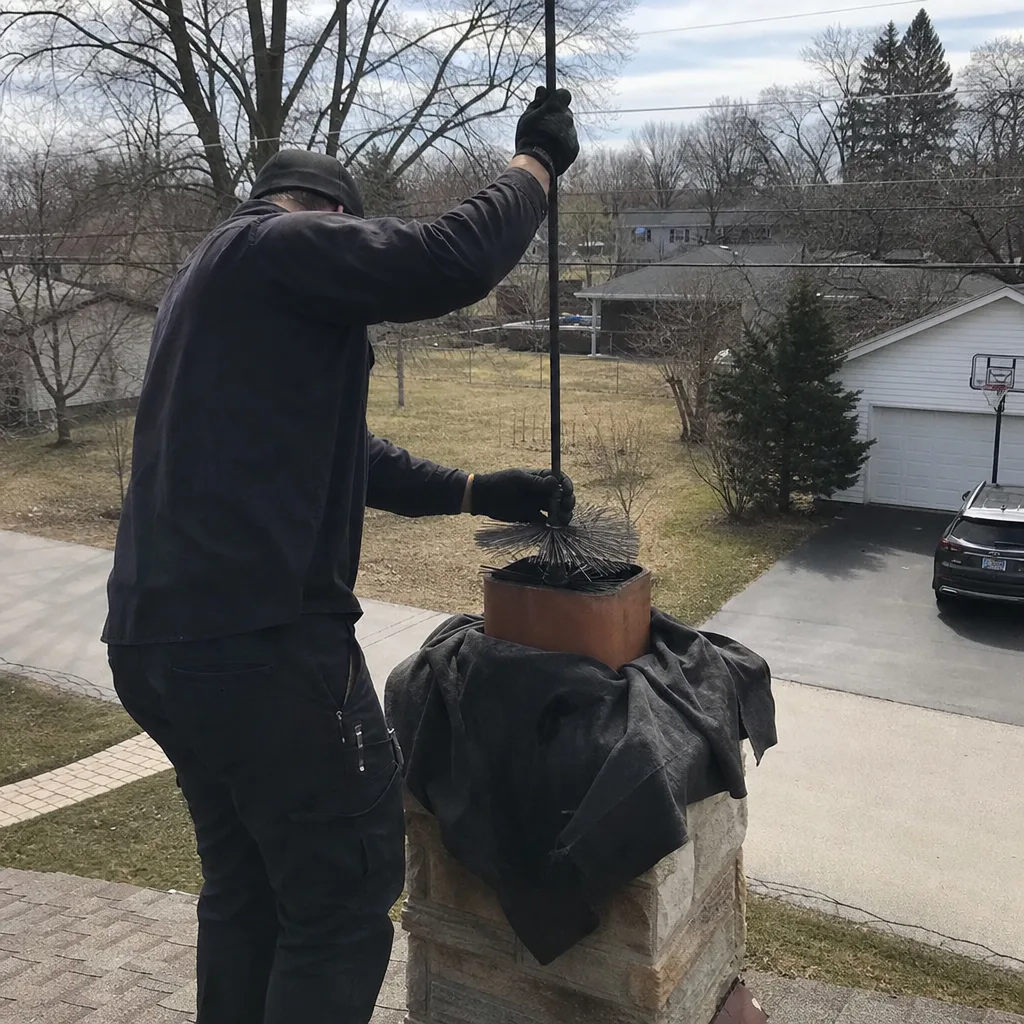
DIY chimney cleaning is not universally wrong. It is conditionally appropriate when three criteria are all met simultaneously. Missing any one of them shifts the risk profile dramatically.
The Three Required Conditions
- Single-story construction with a straight flue. No offsets, no bends, no multiple appliance connections. The flue must be a straight vertical drop from roofline to firebox. In Hoffman Estates, this describes primarily ranch-style homes built before 1980 in neighborhoods like Winston Knolls and parts of Westbury. Two-story colonials in Highland Pass, Canterbury Fields, or Hoffman Lakes almost always have flue configurations that require professional equipment.
- Confirmed first-degree creosote only. First-degree creosote is light, fluffy, and black. It brushes off easily with standard tools. It indicates recent, hot fires with dry hardwood. Second-degree creosote is crunchy, porous, and harder to remove. Third-degree creosote is glossy, tar-like, and requires chemical treatment or mechanical removal. A homeowner cannot safely distinguish between degrees without a camera inspection, which is the paradox: you need professional documentation to confirm that you don’t need professional service.
- Homeowner with verifiable prior experience. Not “watched a YouTube video.” Actual experience with chimney systems, preferably including prior professional training or work alongside a certified sweep. We’ve met Hoffman Estates homeowners who worked as chimney sweeps in college or who grew up in families with wood-burning traditions. These individuals exist, but they are rare.
How to Confirm Conditions Before Starting
The only reliable method is a professional camera inspection. A borescope from a hardware store provides 2-3 inches of viewing depth. A professional chimney camera, like the systems we’ve used since 2009, navigates the full flue length and captures high-resolution video of every square inch. The inspection produces the documentation that tells you whether DIY is appropriate, and if you proceed with DIY, you still lack documentation of the cleaning quality.
In Hoffman Estates, where winter temperatures regularly drop below 10°F and heating season runs October through April, creosote buildup accelerates in homes that burn softwoods or maintain low-temperature fires for ambiance. The climate makes annual inspection the baseline, not optional maintenance.
The Documentation Gap: Why It Matters More Than Technique
This is the central argument of this guide, and it’s the point most DIY versus professional comparisons ignore entirely.
A homeowner who successfully brushes their own flue has performed physical labor. What they have not produced is:
- A before/after camera record of flue condition
- A written condition assessment signed by a third party
- A warranty or guarantee of work performed
- A certificate of inspection suitable for insurance or resale
These documents are not bureaucratic extras. They are the evidence base that determines liability, coverage, and property value in three specific scenarios.
Scenario 1: Chimney Fire or Structure Fire
After a fire, your homeowner insurance adjuster will request chimney inspection records. If you cleaned your own chimney and cannot produce dated, third-party documentation of flue condition and cleaning, the insurer may deny coverage for fire damage on the basis of negligent maintenance. We’ve reviewed Illinois policy language from major carriers writing in Hoffman Estates, and the standard form includes a requirement for “professional maintenance and inspection” of solid-fuel heating systems. DIY cleaning without documentation does not satisfy this requirement.
Scenario 2: Home Sale and Illinois Disclosure Law
Illinois requires sellers to disclose known defects in heating systems, including chimneys. A professional inspection report provides a dated baseline: “On October 15, 2024, FlueTech Chimney Service inspected the flue and found Class I creosote, 1/8-inch thickness, no liner damage.” A DIY cleaning provides no comparable documentation. In a competitive Hoffman Estates market where buyers routinely request chimney inspections, an undocumented cleaning raises questions that can delay closing or trigger price reductions.
Scenario 3: Warranty and Service Claims
Manufacturers of chimney liners, including DuraFlex and Olympia Chimney, require professional installation and annual professional inspection to maintain warranty coverage. A homeowner who installs their own liner or cleans their own flue voids manufacturer warranties, leaving them fully exposed for replacement costs that can exceed $3,000.
What Professional Documentation Actually Looks Like
At Level Two Chimney Hoffman Estates home, every job since 2009 has included Clause 4 of the Haven Standard: a documented photo record on every visit. The customer receives:
- Date-stamped video of the full flue length, before and after cleaning
- Written condition assessment noting liner integrity, creosote classification, and any defects
- Written scope of work and price, delivered before any work begins (Haven Standard Clause 1)
- Written warranty under the 365-Day Done Right Promise
This documentation archive is maintained indefinitely. We’ve produced records from 2012 for Hoffman Estates homeowners who needed evidence for insurance claims or estate proceedings.
First-, Second-, and Third-Degree Creosote: What DIY Can’t Handle
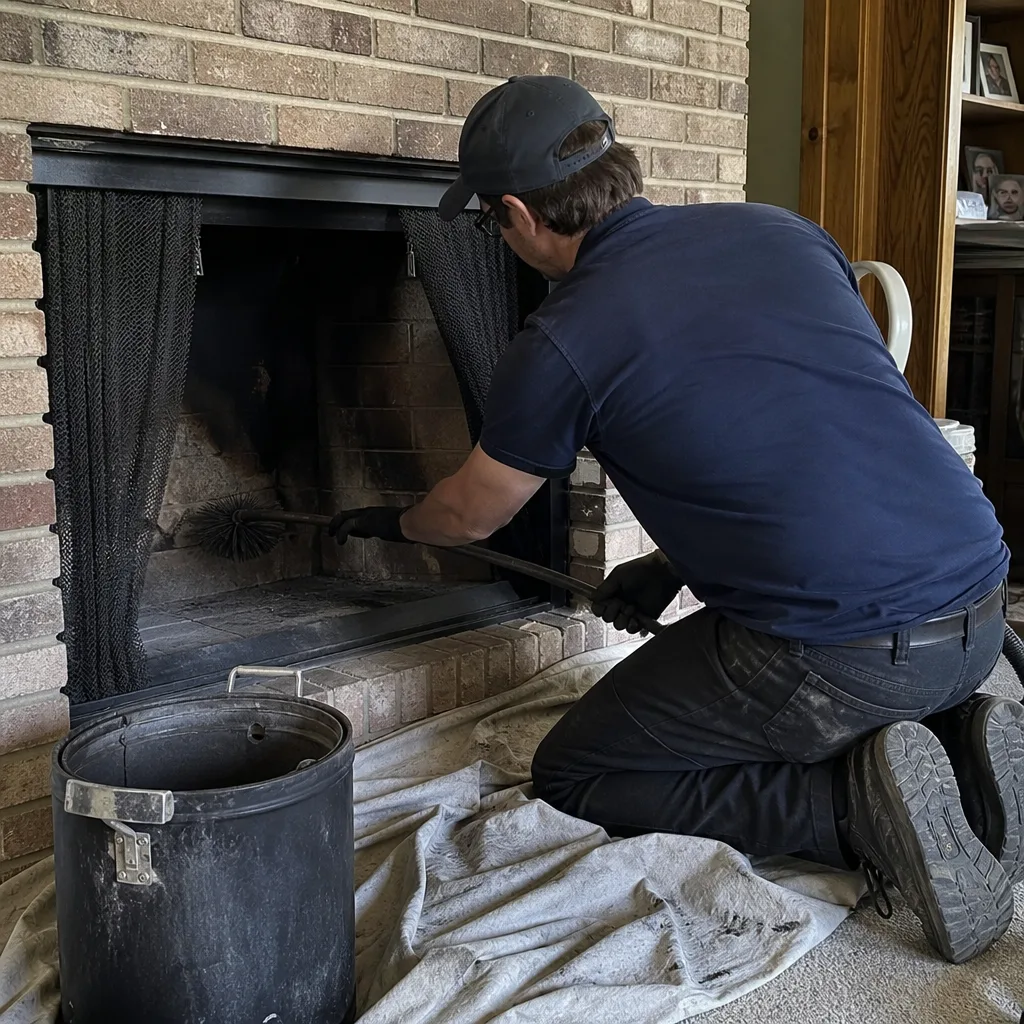
Creosote classification determines cleaning method, safety risk, and whether DIY is appropriate. Misidentification is common and dangerous.
First-Degree Creosote
Appearance: Light, fluffy, black soot. Consistency similar to coffee grounds.
Cause: Hot, fast fires with dry hardwood (oak, hickory, maple). Adequate air supply.
DIY feasibility: Possible with correct tools and confirmed straight flue. Still produces no documentation.
Second-Degree Creosote
Appearance: Crunchy, porous, layered flakes. Brown to black. Often described as “honeycomb” or “fish scale” texture.
Cause: Moderate burning temperatures, occasional smoldering, mixed wood types.
DIY feasibility: Not recommended. Requires more aggressive brushing that can damage clay tile or stainless steel liners. The mechanical action needed risks dislodging tiles or scoring metal. Professional sweeps use controlled-speed rotary systems with adjustable torque to match liner material.
Third-Degree Creosote
Appearance: Glossy, tar-like, hardened coating. Often thick, running, or dripping. Extremely difficult to remove.
Cause: Low-temperature fires, unseasoned wood, restricted air supply, oversized flue. Common in Hoffman Estates homes where homeowners burn decorative fires for ambiance rather than heat.
DIY feasibility: Dangerous and ineffective. Third-degree creosote requires chemical treatment (spray-on creosote modifiers that react over 1-2 weeks) or mechanical removal with chains, whips, or rotary systems that generate extreme torque. The risk of liner damage, fire during removal, or incomplete removal causing chimney fire is substantial. This condition also indicates systemic combustion problems that require professional diagnosis of the appliance, fuel, and venting configuration.
The Misidentification Risk
We’ve inspected Hoffman Estates chimneys where homeowners believed they had first-degree creosote and attempted DIY cleaning. In three cases from 2022-2024, the actual condition was third-degree creosote with underlying liner damage. The DIY brushing polished the surface slightly without removing the hazard, and the homeowners were unaware until our camera inspection revealed the remaining thickness and concealed cracks. One of these chimneys had a concealed flue fire two months later.
The camera doesn’t lie. A borescope might. The difference is professional-grade equipment and the training to interpret what it shows.
True Cost Comparison: DIY vs Professional in Hoffman Estates
Most DIY versus professional comparisons understate the true cost of DIY by omitting equipment, disposal, time value, and deferred liability. For a detailed Chimney Cleaning Cost Breakdown: The Hoffman Estates Homeowner’s Reference for 2026, see our dedicated guide. Here’s an honest accounting for a typical Hoffman Estates single-story home with a straight, 6-inch round flue and confirmed first-degree creosote.
DIY Cost Breakdown
| Item | Cost |
|---|---|
| Chimney brush (correct diameter) | $25-$45 |
| Extension rods (30+ feet) | $40-$75 |
| HEPA vacuum rental (1 day) | $45-$75 |
| Respirator with P100 filters | $35-$55 |
| Borescope (basic) | $30-$60 |
| Drop cloths, tape, sealing materials | $15-$25 |
| Creosote disposal (Cook County handler) | $35-$80 |
| Time value (6 hours at conservative $25/hour) | $150 |
| Total DIY Cost | $375-$565 |
Additional unquantified costs: fuel for tool pickup/return, potential roof or ladder injury, liner damage from incorrect brush selection, and the full liability exposure of undocumented work.
Professional Documented Service Cost
Chimney Cleaning & Sweep in Hoffman Estates from Level Two Chimney Co. includes:
- NFPA 211 Level 2 camera inspection (full flue video)
- Professional sweep with appropriate tools for flue type and creosote condition
- Smoke chamber and firebox cleaning
- Documented photo record (Haven Standard Clause 4)
- Written condition assessment
- Written price before work, written warranty after (Haven Standard Clause 1)
- 365-Day Done Right Promise
Professional chimney sweep service in the Hoffman Estates market typically ranges from $199-$349 for standard residential cleaning with Level 2 inspection, depending on flue configuration, number of appliances, and accessibility. Two-story homes, multiple flues, or conditions requiring additional treatment (third-degree creosote modification, liner repair evaluation) fall at the higher end or require separate quotation.
The Deferred Liability Cost
The cost gap narrows further when you account for liability. An undocumented DIY cleaning that precedes a chimney fire, or that fails to reveal concealed damage, can produce:
- Insurance claim denial: $10,000-$100,000+ in uncovered fire damage
- Home sale price reduction or delayed closing: $5,000-$15,000 in a Hoffman Estates market where chimney condition is a standard inspection item
- Emergency professional service after failed DIY: full professional cost plus remediation of damage caused
When we provide a Chimney Repair in Hoffman Estates quote after DIY damage, the repair scope typically includes liner evaluation, crown repair, and sometimes masonry work that the DIY cleaning concealed or caused. The total exceeds what professional documented service would have cost by a factor of three to ten.
Hoffman Estates-Specific Factors: Climate, Codes, and Resale
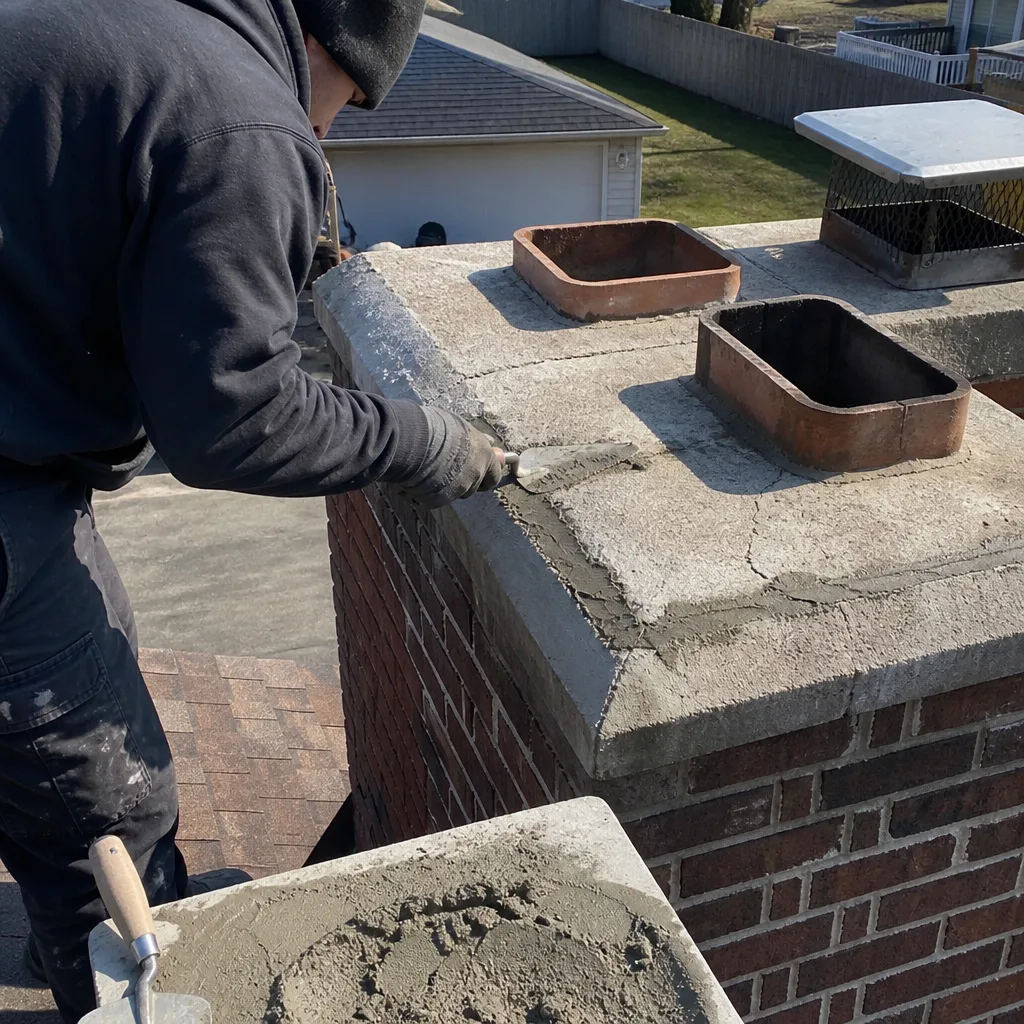
Chimney maintenance in Hoffman Estates exists within specific local conditions that affect both DIY feasibility and professional service requirements. Our Seasonal Chimney Cleaning Care for Hoffman Estates: Year-Round Homeowner’s Guide covers how to time your maintenance through every season.
Climate and Heating Patterns
Hoffman Estates experiences average winter lows of 10-15°F and heating seasons extending from October through April, with shoulder months in September and May. This extended burn season produces more annual creosote accumulation than milder climates. The freeze-thaw cycle also stresses chimney crowns and masonry, creating entry points for moisture that accelerates liner deterioration. A DIY cleaning in March may remove creosote while missing crown cracks that will admit water during April rains, then freeze and expand in November.
Local Building Codes and Permit Requirements
Village of Hoffman Estates building code adopts the International Residential Code with local amendments. Chimney repairs exceeding $500 in value require a building permit. Liner replacement requires permit and inspection. DIY cleaning does not require a permit, but any subsequent repair triggered by conditions discovered during cleaning falls under permit requirements. Professional sweeps are familiar with Hoffman Estates permit processes and can advise when permit-triggering conditions are identified.
Neighborhood Housing Stock Characteristics
Winston Knolls and Westbury (primarily 1960s-1980s ranches and split-levels): Straight clay tile flues are common. DIY is physically possible for some homes, but liner degradation from age is frequent. We’ve replaced clay liners in these neighborhoods where homeowners attempted DIY cleaning and dislodged deteriorated tiles without realizing it.
Highland Pass, Remington Trails, Canterbury Fields (1980s-2000s construction): Pre-fabricated metal chimneys and stainless steel liners from Olympia Chimney or DuraFlex are standard. These systems require manufacturer-specific maintenance protocols. DIY cleaning with incorrect brush material voids warranties.
Hoffman Lakes and newer infill (2000s-present): Often include gas fireplace inserts with co-vented systems. These require specialized knowledge of venting configurations that DIY resources rarely address correctly.
Resale Market Pressure
Hoffman Estates home sales in 2024 averaged 18 days on market for properly prepared properties. Properties with deferred maintenance or undocumented chimney condition linger longer. Buyer’s agents in this market routinely request chimney inspection reports. A seller who produces a dated, professional report from Level Two Chimney Co. with full photo documentation removes uncertainty and supports asking price. A seller who mentions “we cleaned it ourselves” invites lowball offers or inspection contingencies that delay closing.
Common Mistakes to Avoid
- Using a brush that doesn’t match flue diameter exactly. An oversized brush lodges in the flue, requiring professional extraction and often damaging the liner. An undersized brush leaves creosote intact, creating a false sense of completion.
- Cleaning from the top down without fall protection. Hoffman Estates has seen two serious injuries from homeowners falling from single-story roofs during chimney work in the past five years. The slope on many ranch roofs is steeper than it appears from ground level, and morning frost or dew creates slip hazards through November.
- Using a standard shop vacuum without HEPA filtration. Creosote particles are sub-micron and carcinogenic. A shop vacuum exhausts these particles back into your home. We’ve found creosote dust coating HVAC returns in homes where DIYers used inadequate vacuums.
- Assuming black soot means first-degree creosote. Third-degree creosote often appears black on the surface. Without camera inspection, you cannot distinguish degrees by color alone. Misidentification leads to incomplete removal and concealed fire hazard.
- Disposing of creosote in household trash. Cook County waste regulations prohibit this. Fines start at $500, and illegal disposal creates liability if traced to your address.
- Cleaning a gas flue with wood-burning tools. Gas flues produce different deposits (sulfur compounds, moisture residue) and require different cleaning agents. Using wire brushes on gas flue liners from HeatShield or Gelco causes corrosion.
- Ignoring the smoke chamber and firebox. The flue is only part of the system. The smoke chamber (the area above the damper) and firebox floor accumulate creosote and require separate cleaning. DIY tutorials often omit these areas entirely.
When to Call a Professional
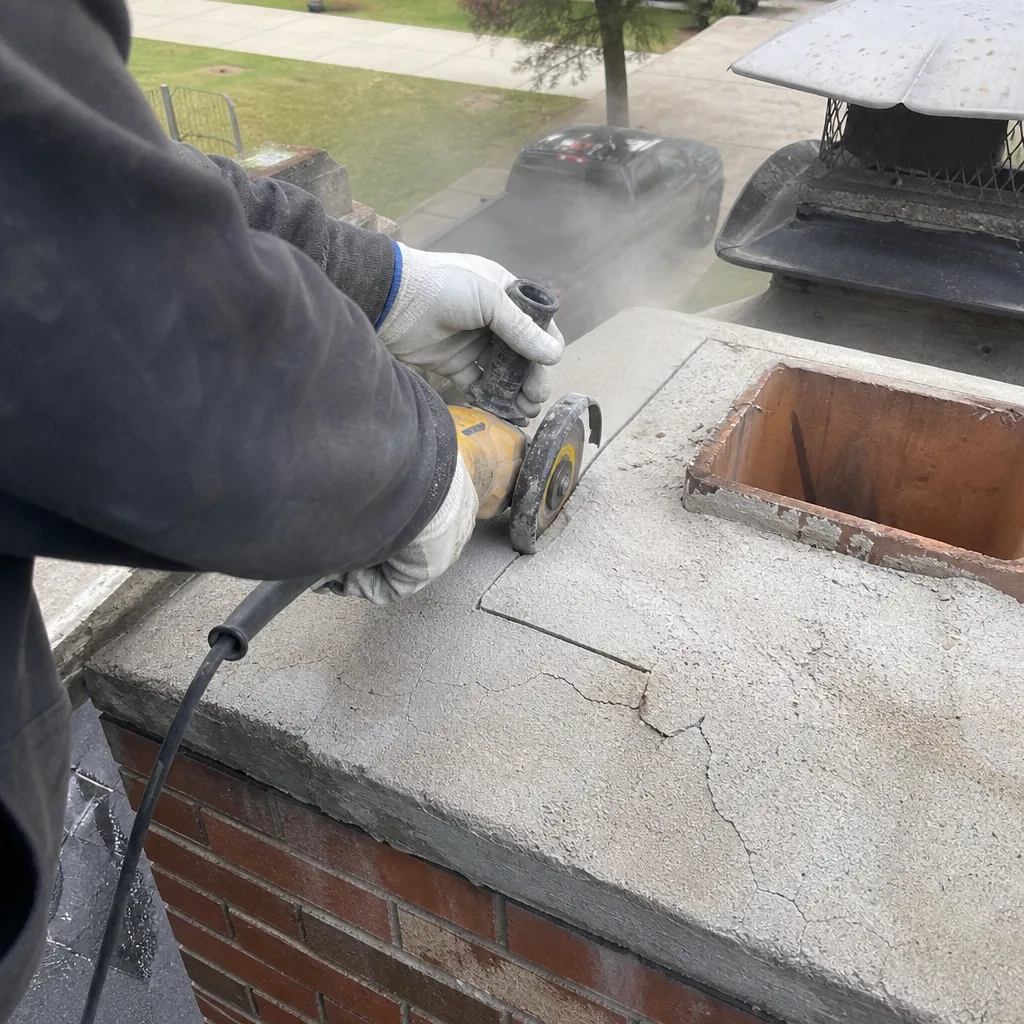
Call a professional sweep when any of the following apply: two-story or taller construction, any flue offset or bend, unknown creosote condition, prior chimney fire, visible liner damage or spalling brick, gas appliance co-venting, or any intention to sell the home within two years. Also call if you’ve attempted DIY cleaning and have any doubt about completeness, or if you need documentation for insurance, warranty, or resale purposes.
Level Two Chimney Hoffman Estates offers free estimates in Hoffman Estates. We’ll provide a written price before any work starts, a full camera inspection with documented photo record, and the 365-Day Done Right Promise on every job. Call (331) 200-4445 to schedule.
Frequently Asked Questions
Professional chimney sweep service with NFPA 211 Level 2 camera inspection in Hoffman Estates typically ranges from $199-$349 for standard residential cleaning, depending on flue configuration, number of appliances, and accessibility. Two-story homes or multiple flues fall at the higher end. Level Two Chimney Co. delivers a written price before any work begins under Haven Standard Clause 1, with no hidden charges. Call (331) 200-4445 for an exact quote on your specific chimney.
You should never accept a liner replacement recommendation without seeing camera evidence. At Level Two Chimney Co., we show you the video. Clause 4 of the Haven Standard requires date-stamped photo documentation of any defect we identify. If a sweep recommends liner replacement without showing you cracked tiles, gaps, or corrosion on camera, get a second opinion. We provide free second opinions on any competitor’s written estimate.
The National Fire Protection Association recommends annual inspection for all solid-fuel chimneys, with cleaning frequency determined by creosote accumulation. In Hoffman Estates, where heating season runs 6-7 months and winter temperatures stress chimney systems, most wood-burning homeowners need annual cleaning. Gas fireplaces require inspection every 1-2 years depending on use. Homes in neighborhoods like Winston Knolls with older clay tile liners may need more frequent monitoring for deterioration.
Skipped cleaning allows creosote accumulation, which restricts flue airflow and increases chimney fire risk. A chimney fire can reach 2,000°F, damaging liners, cracking masonry, and spreading to structural framing. Restricted airflow also causes carbon monoxide backup into living spaces. In Hoffman Estates, where homes are tightly sealed for winter efficiency, CO infiltration risk is elevated. The cost of emergency response, structural repair, or medical treatment from CO exposure far exceeds preventive maintenance cost. Call (331) 200-4445 to schedule before burning season.
No. Leaf blowers force creosote into the living space or attic. Pressure washers introduce water that mixes with creosote to form acidic compounds, accelerating liner corrosion and creating hazardous runoff. Both methods damage chimney components and produce no documentation of condition. We’ve repaired Hoffman Estates chimneys where these methods cracked crowns, saturated masonry, or forced creosote into wall cavities.
Most Illinois homeowner policies include a requirement for “professional maintenance and inspection” of solid-fuel heating systems. DIY cleaning without third-party documentation typically does not satisfy this requirement. After a fire, insurers may deny claims where the homeowner cannot produce dated, professional inspection records. Check your specific policy language, and maintain annual professional documentation as a standard practice.
The Bottom Line
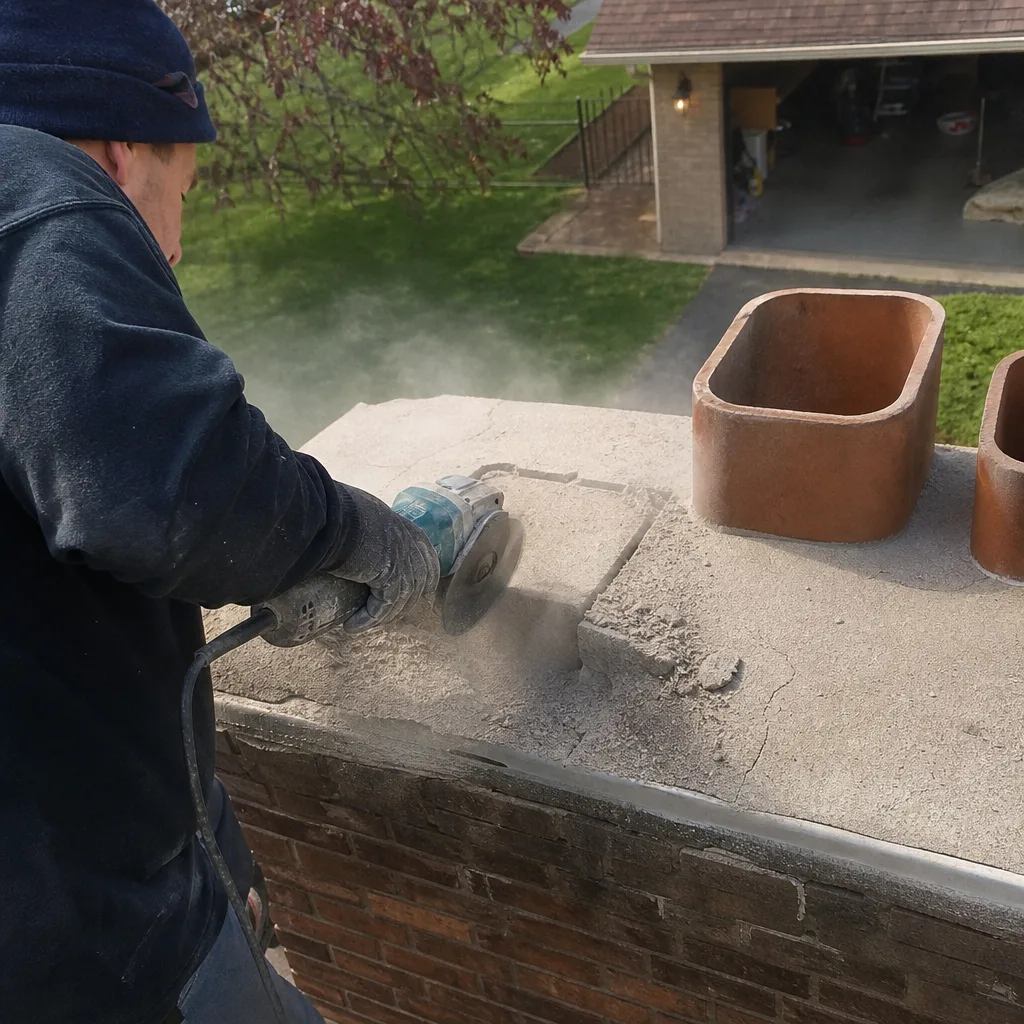
The DIY versus professional chimney cleaning decision is not primarily about whether you can physically brush a flue. Most capable homeowners can. The decision is about what you produce when you’re done: a clean flue with no proof of condition, or a clean flue with camera documentation, written assessment, and warranty that satisfies your insurance policy, protects your home sale, and gives you recourse if something was missed. In Hoffman Estates, where home values and heating demands both run high, the documentation gap is the cost that matters. For most homeowners, professional service closes that gap at a total cost that compares favorably with true DIY expense once equipment, disposal, time, and liability are honestly accounted. The 38,000+ chimneys we’ve inspected since 2009 have taught us that the cheapest cleaning is the one you never have to explain, defend, or repeat.
Written by Corrine Halstead, Owner at Level Two Chimney Hoffman Estates, serving Hoffman Estates since 2009.