
Last updated September 22, 2026
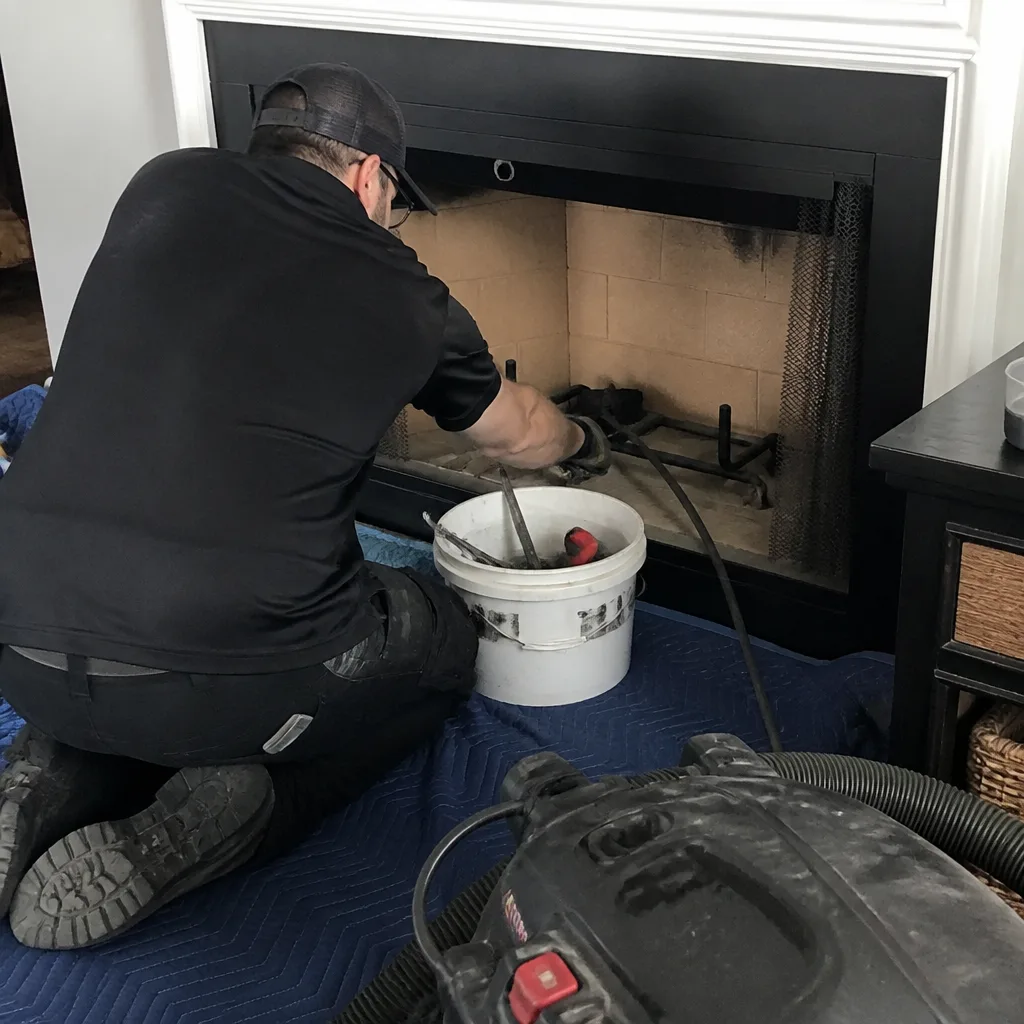
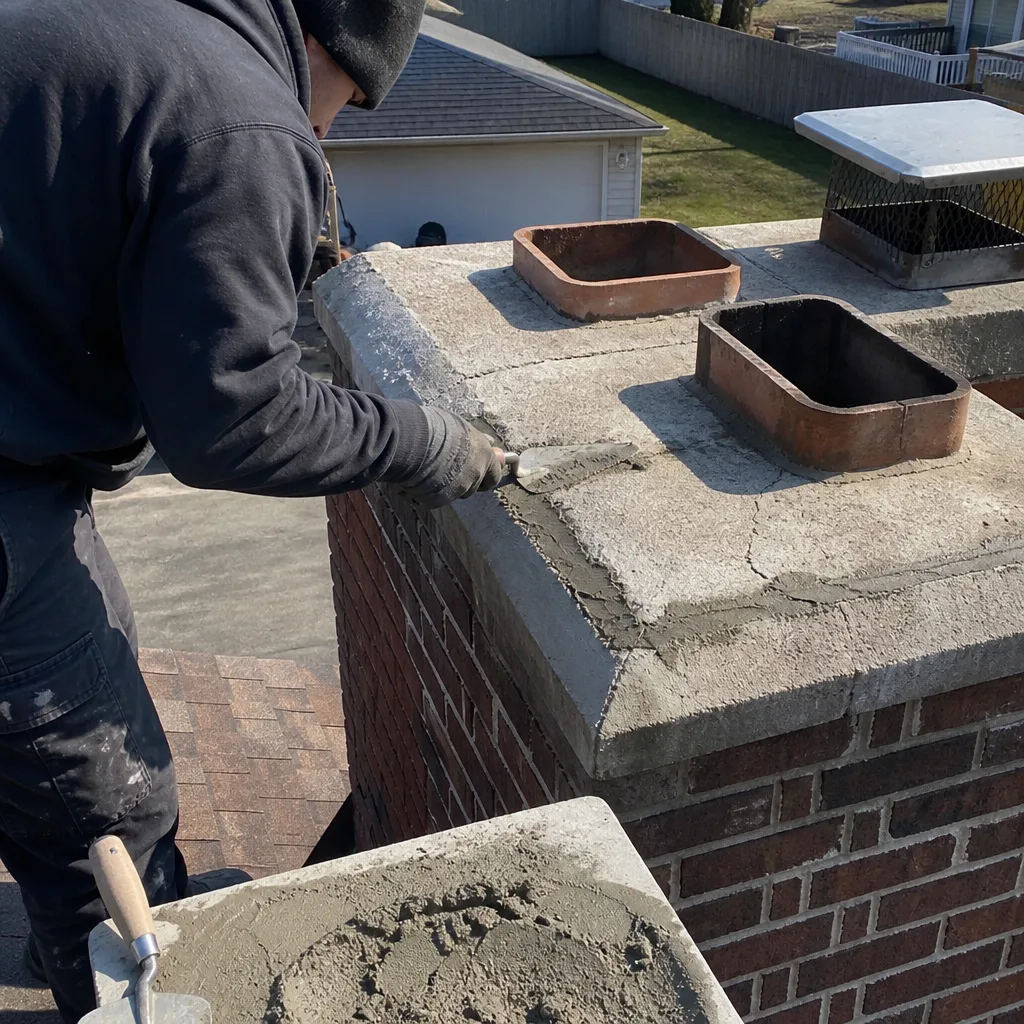
Level 1 sweep and inspection to the NFPA 211 annual standard - flue, crown, cap, and flashing checked and photographed
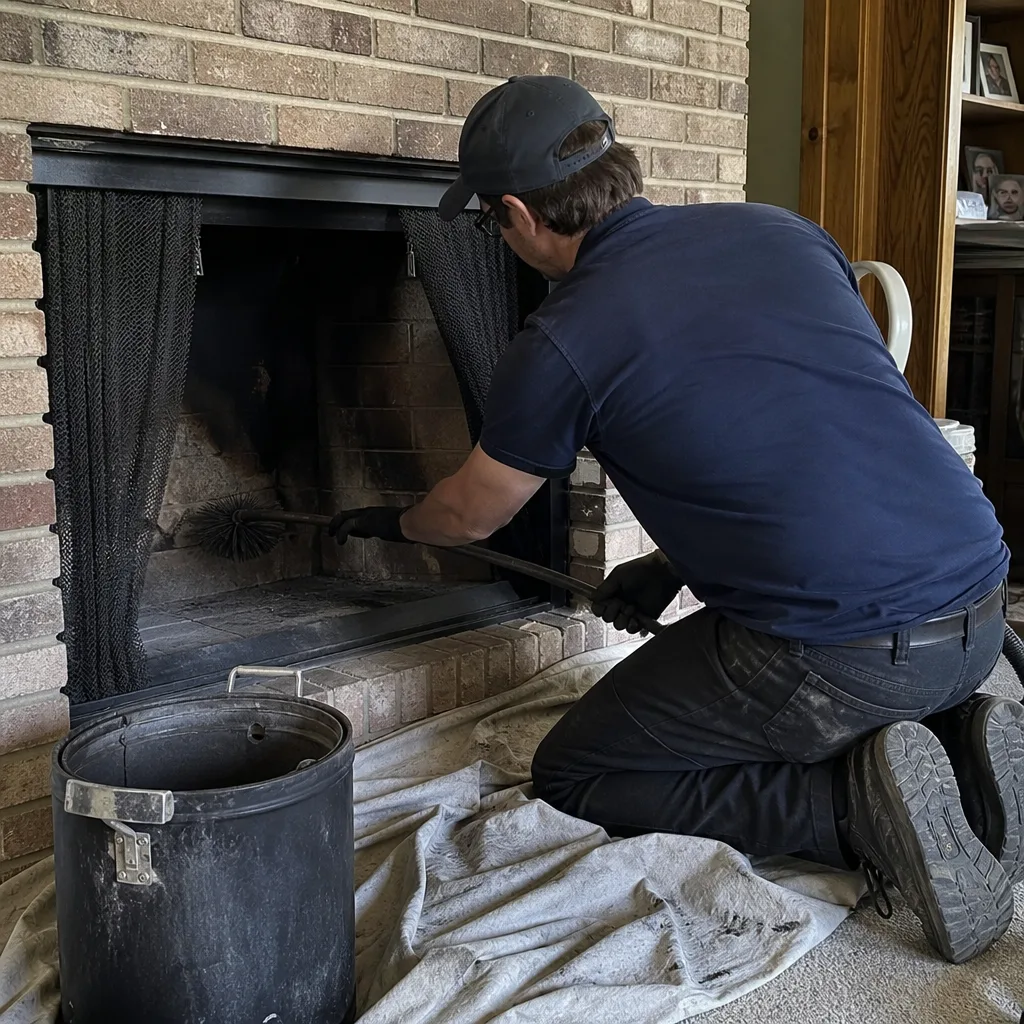
Chimney sweep logs do not sweep chimneys. They loosen some creosote - which then falls where a brush and vacuum still have to collect it.
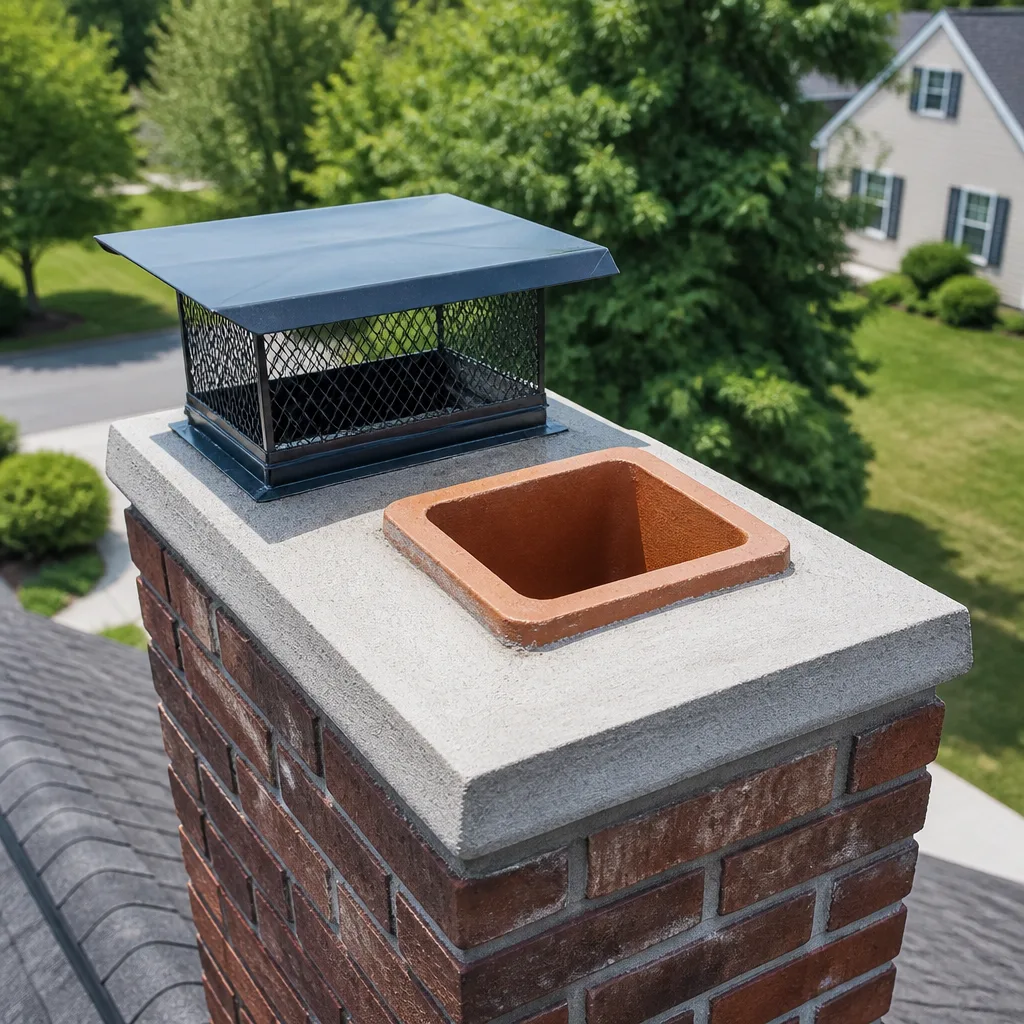
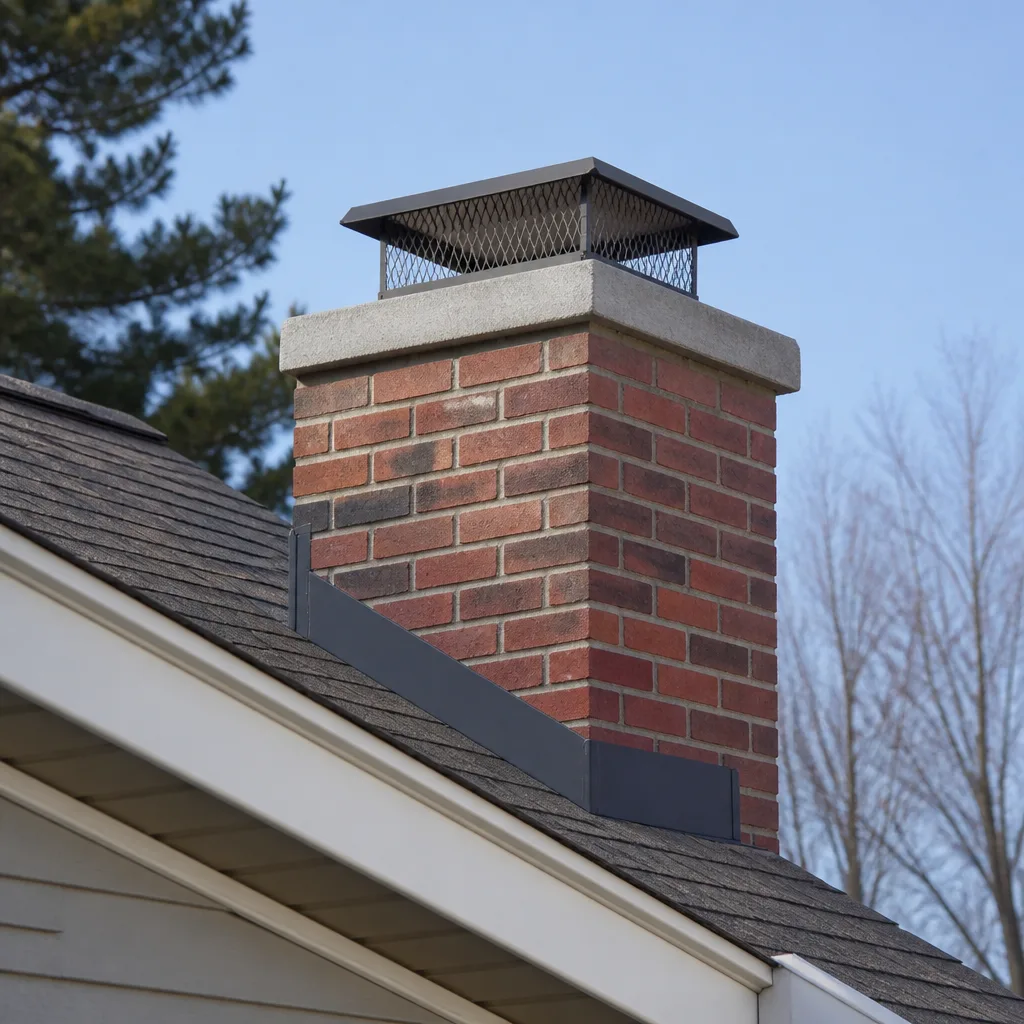
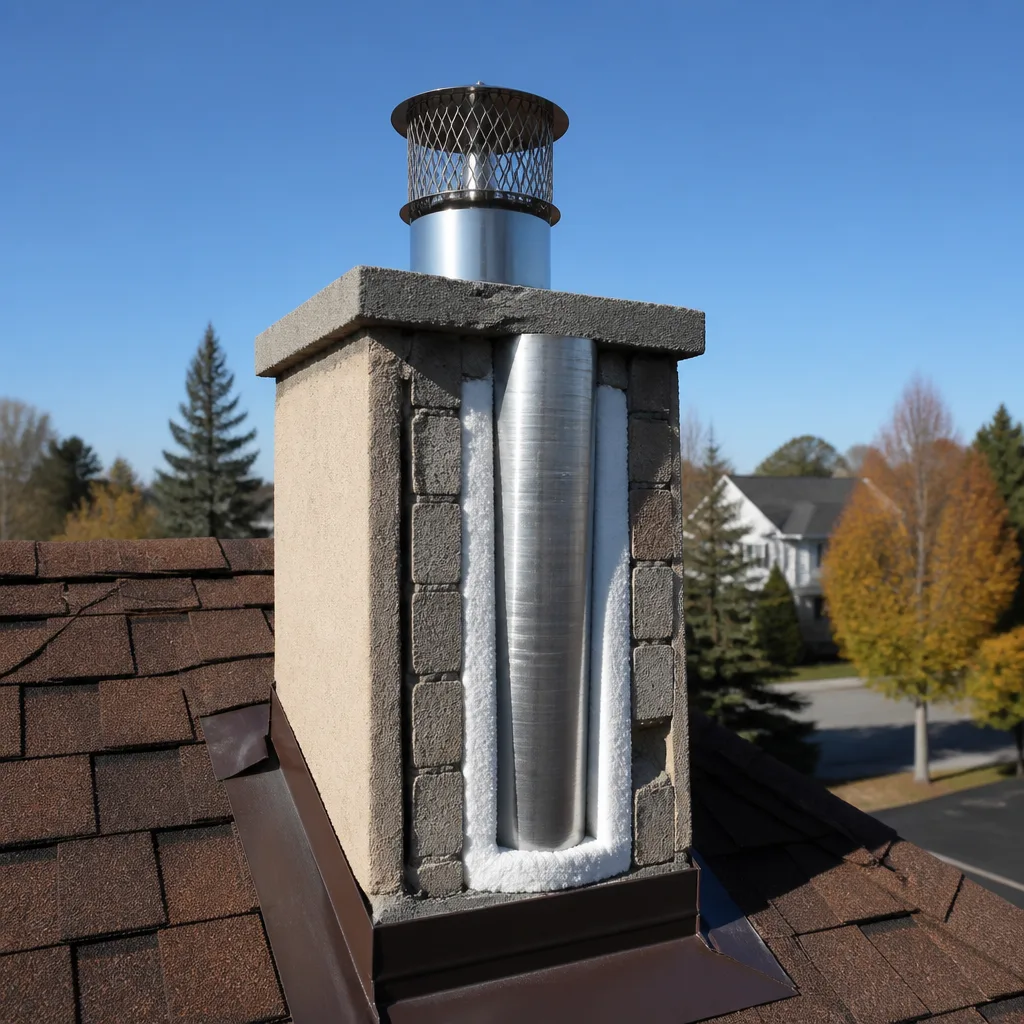
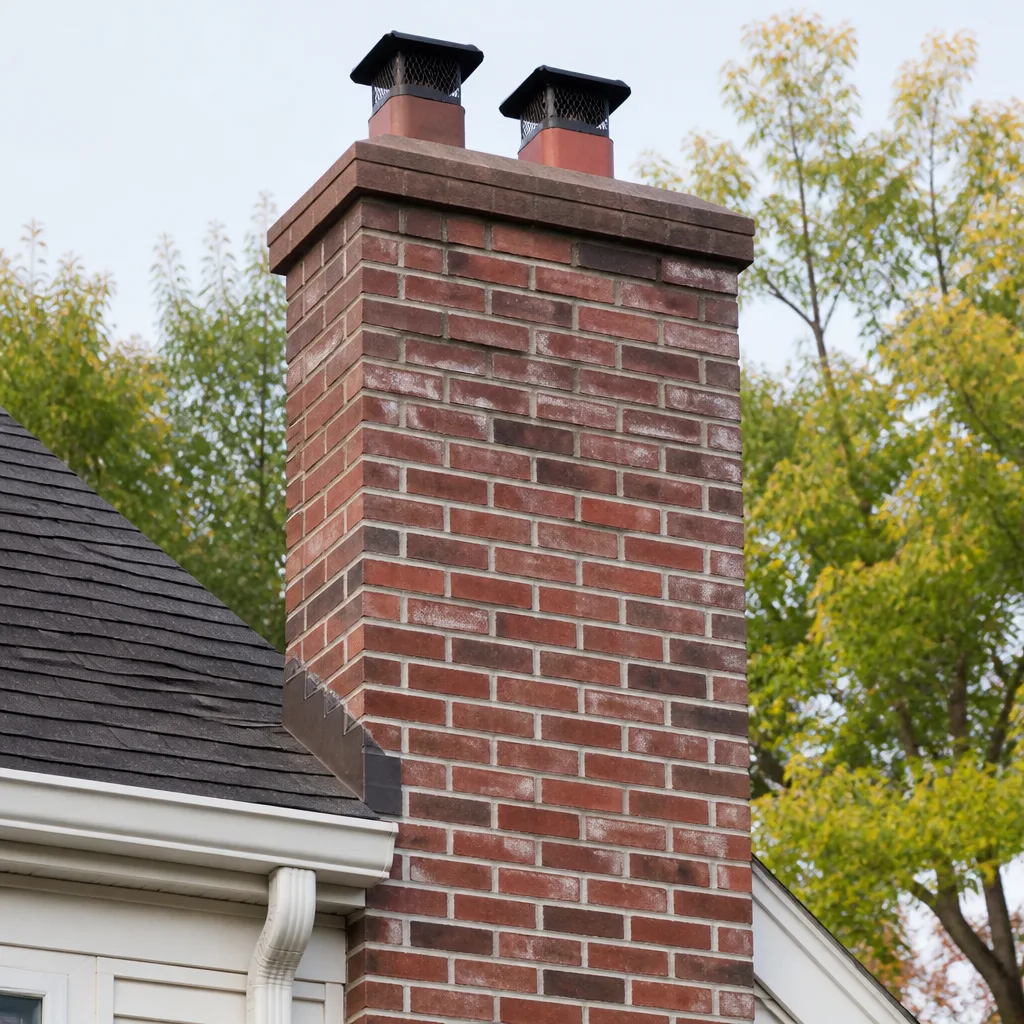

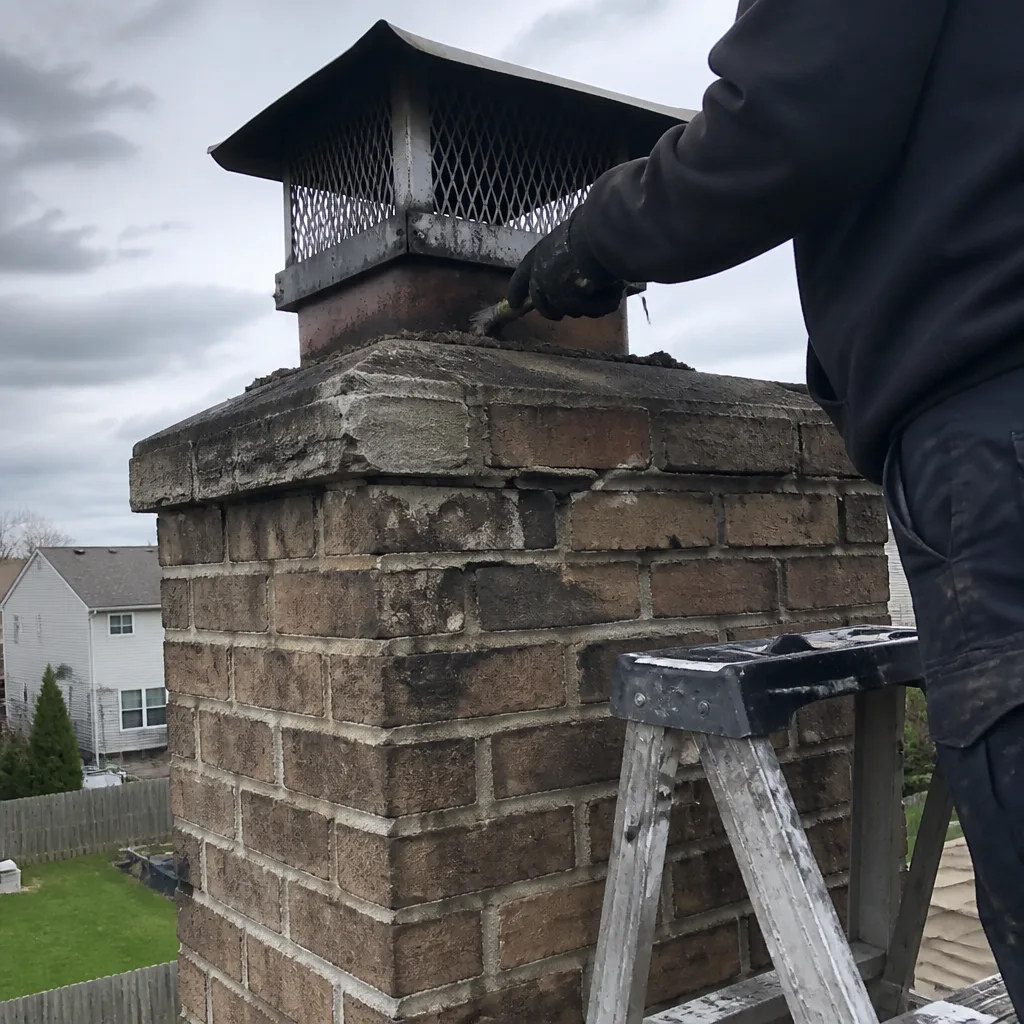 Before
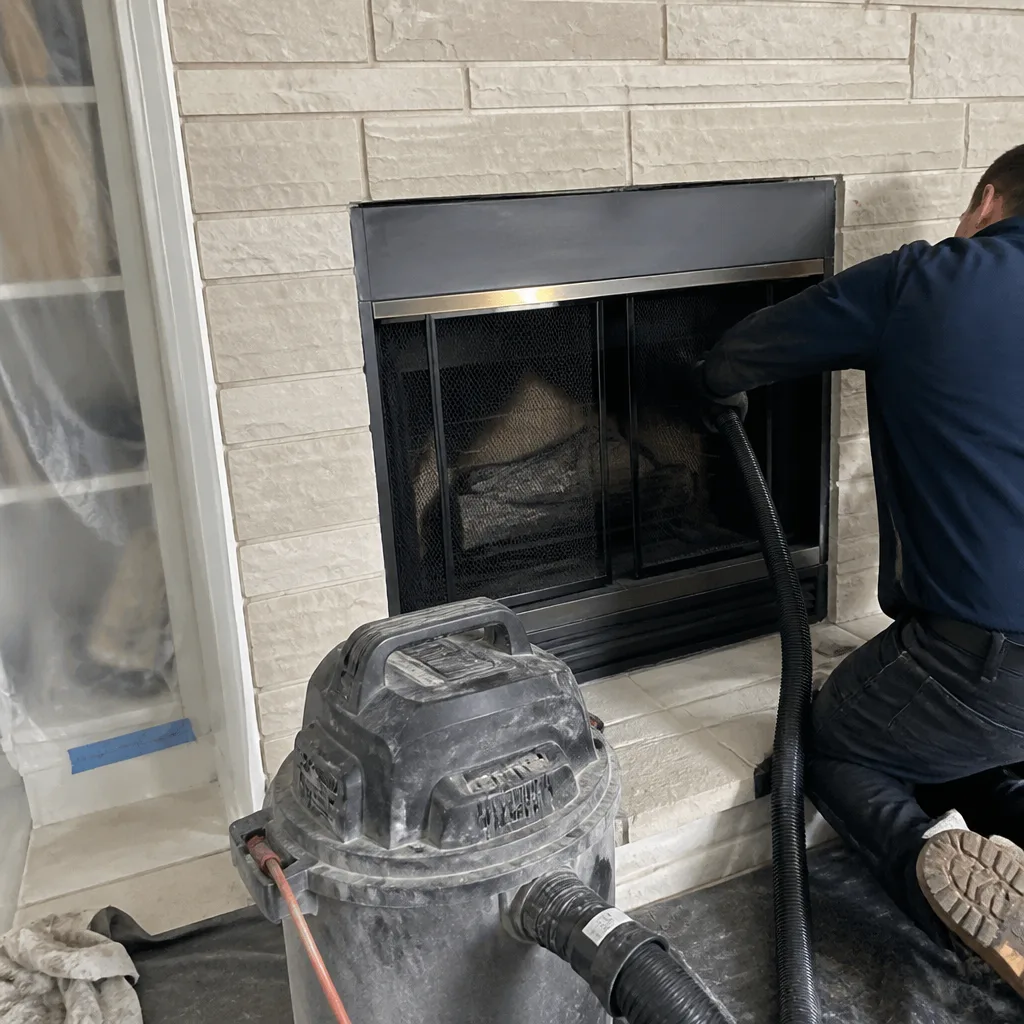 After
After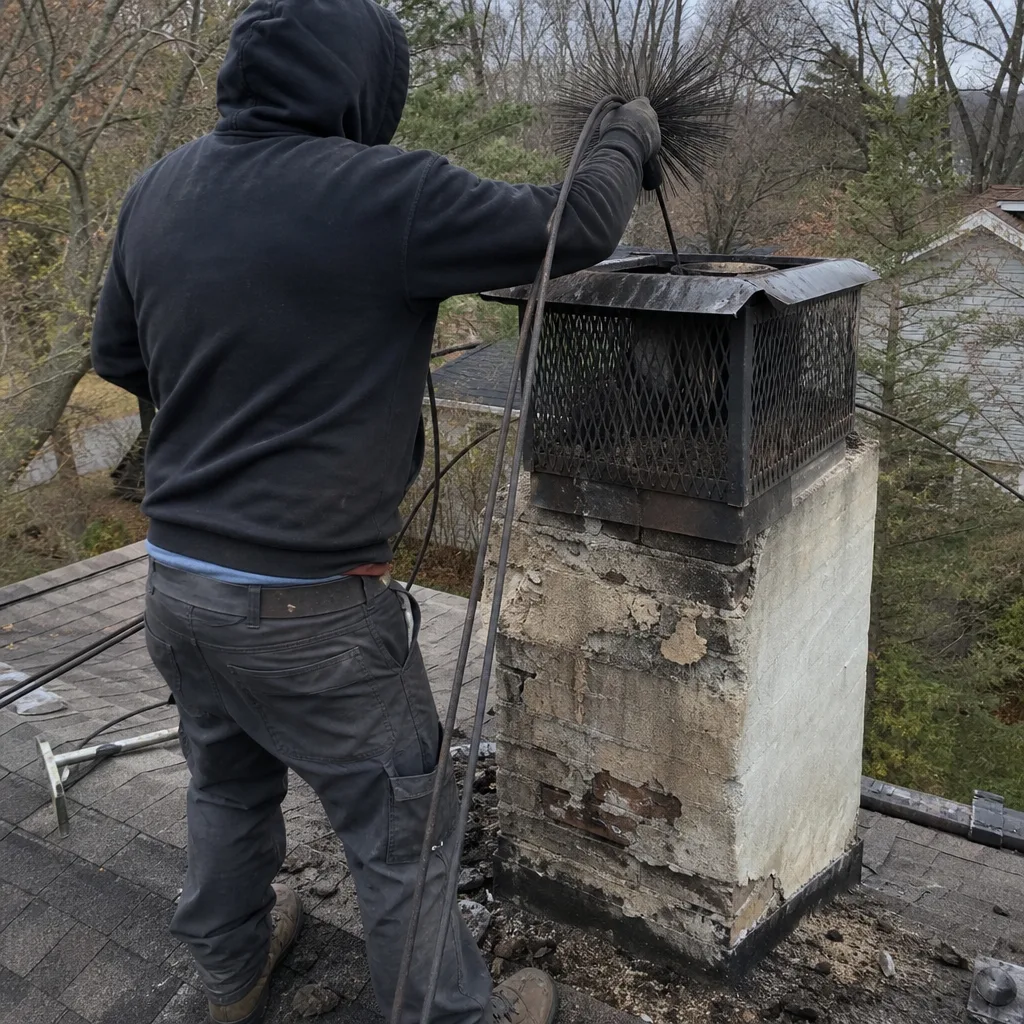 Before
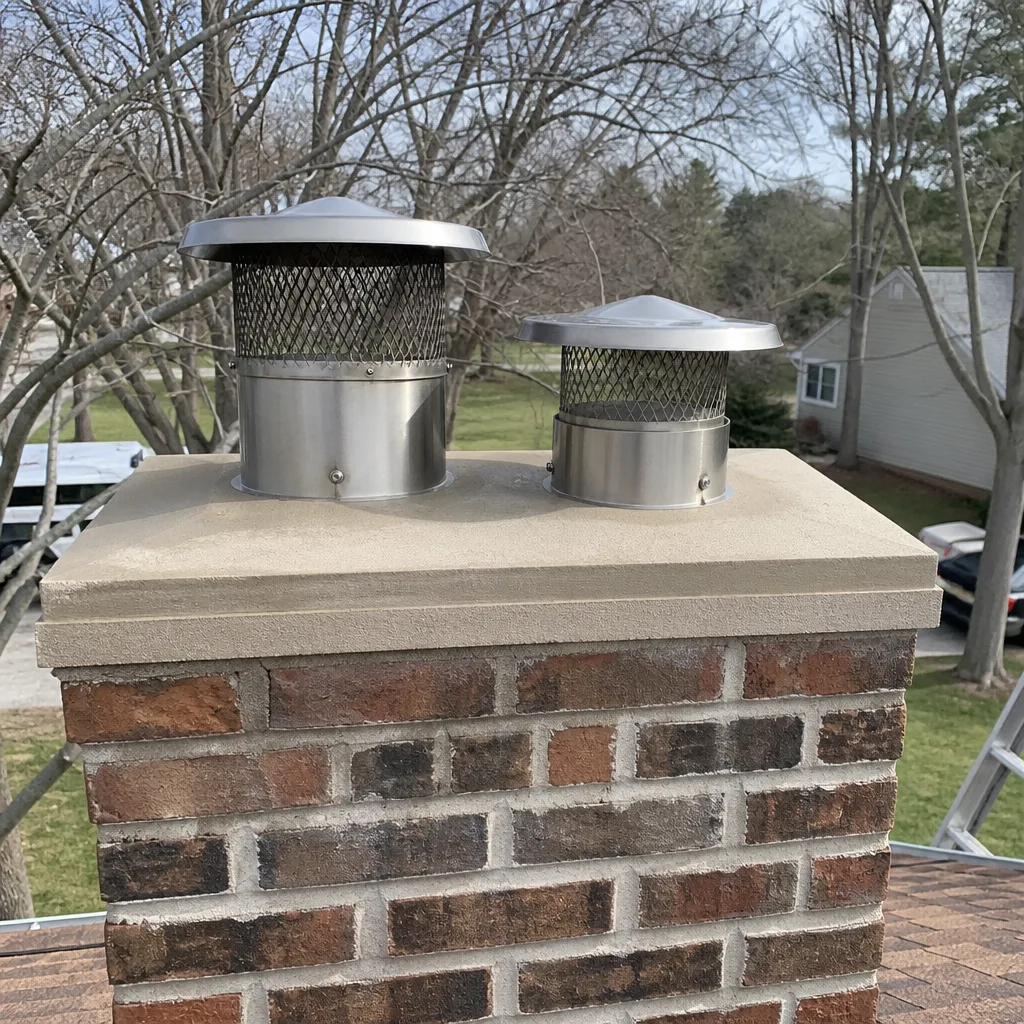 After
After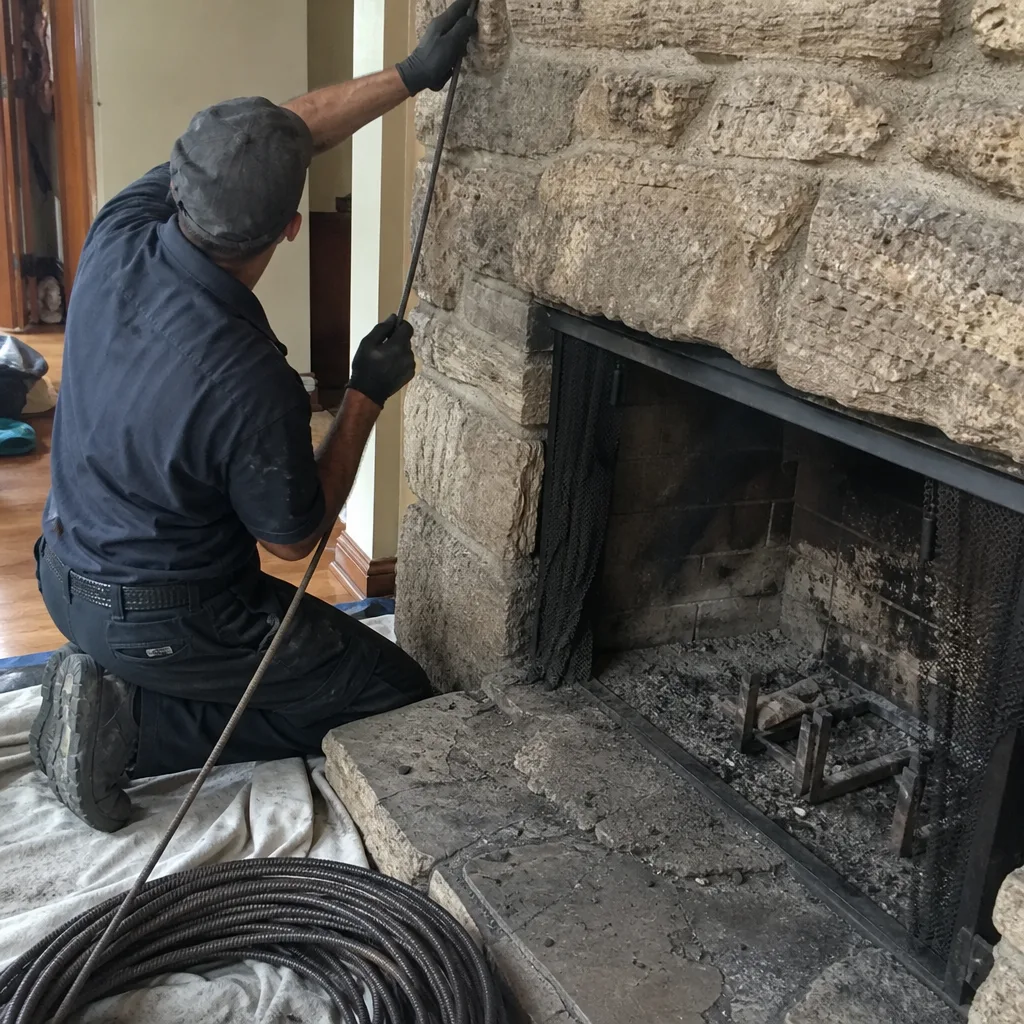 Before
 After
AfterHow to Hire a Chimney Cleaning Contractor in Hoffman Estates: A Step-by-Step Guide
CSIA certification tells you a sweep passed a written exam. It tells you nothing about whether they’ll put a camera down your flue, write a price before they start, or hand you anything your insurer would recognize if you file a claim next year. In Hoffman Estates, where most homes were built between 1975 and 2005 and many chimneys have never had a documented inspection, the gap between “certified” and “accountable” is where homeowners get burned. This guide walks through the exact questions, documents, and red flags that separate a contractor who’ll leave you with proof from one who’ll leave you with a receipt.
Quick Answer
To hire a chimney cleaning contractor in Hoffman Estates, verify their Illinois business standing, request five specific documents before scheduling, ask what inspection method they’ll use, and refuse any quote that lacks a written price, scope, and warranty. A legitimate contractor in Hoffman Estates should offer camera-scan documentation as standard practice, not an upgrade.
Table of Contents
- Why “What Documentation Will I Have?” Is the Only Question That Matters
- The Five Documents to Request Before Signing Anything
- The 90-Second Phone Screening That Surfaces Deal-Breakers
- How to Evaluate a Chimney Sweep Quote in Hoffman Estates
- Red Flags Specific to Illinois Chimney Contractors
- How to Verify a Contractor’s Illinois Business Standing
- Hoffman Estates-Specific Factors That Affect Your Chimney
- Common Mistakes to Avoid
- When to Call a Professional
- Frequently Asked Questions
- The Bottom Line
 Before
 After
AfterWhy “What Documentation Will I Have?” Is the Only Question That Matters
We’ve cleaned and inspected more than 38,000 chimneys since 2009, and the pattern is consistent: homeowners who get burned don’t get burned on price. They get burned on paper. Or rather, on the lack of it.
Here’s what happens. A sweep arrives, does a “visual inspection” with a flashlight, announces you need a new liner for $3,800, and hands you an invoice. No photos. No written scope. No warranty document. Six months later, water’s still coming in, or you smell smoke in the attic, or your insurance adjuster asks for documentation you don’t have.
The question “What documentation will I have when you leave?” forces the contractor to name their process out loud. A camera-based contractor will describe photos, video files, written findings, and a stamped report. A flashlight-and-invoice operator will hedge, change the subject, or describe a “verbal summary.” That single answer tells you everything about what you’re actually buying.
In Hoffman Estates, this matters more than in newer markets. Many homes in the Level Two Chimney Hoffman Estates home service area have masonry chimneys built during the 1970s and 1980s construction boom. Clay flue tiles crack. Crowns crack worse. Freeze-thaw cycles through our Zone 5a winters accelerate spalling, which is when brick faces flake off from moisture trapped inside. Without a camera down the flue and photos of the crown from the roof, a contractor is guessing at the condition of surfaces you can’t see from your living room.
The documentation question also protects you from the most common scam in our industry: the free inspection that finds expensive problems. If the “inspection” is free, you’re not paying for documentation. You’re paying for a sales pitch dressed in work clothes.
The Five Documents to Request Before Signing Anything
Every legitimate chimney contractor in Hoffman Estates should be able to produce these five documents on request. If they can’t, or won’t, schedule with someone else.
1. Written Estimate with Line Items
This is not a text message saying “sweep $199.” A proper estimate lists each service separately: inspection method, cleaning scope, materials if any, labor breakdown, and total. At Level Two Chimney Hoffman Estates, we deliver this before anyone enters your home, under Haven Standard Clause 1: Have it in writing. No exceptions.
2. Scope of Work Defining What’s Included and Excluded
The scope states exactly what the technician will do, where they’ll work, and what conditions they’ll inspect. “Clean chimney” is not a scope. “NFPA 211 Level 2 inspection including closed-circuit camera scan of full flue length, smoke chamber evaluation, firebox condition assessment, exterior crown and cap inspection from roof level, and Class A, B, or C creosote removal as found” is a scope. The difference matters when something goes wrong.
3. Warranty Terms in Writing
Verbal warranties are worthless. Written warranties should state what’s covered, for how long, and what triggers service. Our 365-Day Done Right Promise is printed on every job record: if it’s not done right, we make it right. No time limit on reporting, no argument about whether the issue is “covered.”
4. Proof of Liability Insurance
Request a certificate of insurance naming you as additional insured, or at minimum confirming general liability coverage in force. Illinois does not require chimney-specific licensing, so insurance is your primary protection against damage to your roof, interior, or neighboring property. Verify the policy dates: coverage that lapsed last month won’t help you.
5. Inspection Method Documentation
This document states how the inspection was performed and should reference the standard followed. NFPA 211 Level 1 is a visual inspection from accessible areas. Level 2 requires a camera scan of the full flue interior. Level 3 involves demolition of building components. Most Hoffman Estates homes with standard wood-burning fireplaces need Level 2, especially at sale or after a chimney fire. If a contractor quotes “inspection included” without specifying the level, they’re almost certainly doing Level 1 and calling it comprehensive.
Clause 4 of the Haven Standard requires a documented photo record on every job. Not as an upgrade. Not “if we find something.” Every job. We’ve maintained this practice since 2009, before insurers or regulators asked for it. The archive is your evidence if you sell the home, file a claim, or dispute a finding.
The 90-Second Phone Screening That Surfaces Deal-Breakers
You can eliminate most unqualified contractors before they reach your driveway. Ask these four questions in order. The sequence matters: each question builds pressure on the one before.
- “What inspection standard do you follow, and do you put a camera down the flue on every job?”
If the answer is “we look with a flashlight” or “only if we suspect a problem,” you’re talking to a sweeper, not an inspector. Move on. - “Will I receive a written price before any work begins, and does that price include the inspection?”
Bundled pricing hides the true cost of inspection. A contractor who won’t separate inspection from cleaning is avoiding transparency. At Level Two, we itemize everything. The inspection is its own line. The cleaning is its own line. You’ll know what each costs before you decide. - “What documentation do I get when the job is done?”
Listen for specifics: photo files, video, written report, warranty document. “We’ll tell you what we found” is not documentation. “You’ll get a folder with dated photos, camera footage, and a signed report” is. - “Can you email me your certificate of insurance and your Illinois Secretary of State business standing before we schedule?”
A legitimate contractor has these ready. A hesitant response, or a promise to “bring it with me,” suggests they don’t maintain current coverage or registration. In Illinois, where chimney work is unlicensed at the state level, these documents are your only verification.
If a contractor passes all four, you’ve likely found a professional operation. If they fail any, you’ve saved yourself a bad appointment. The entire screen takes under 90 seconds.
How to Evaluate a Chimney Sweep Quote in Hoffman Estates
Not all quotes are comparable. A low number with vague language often costs more than a higher number with specifics. Here’s how to read what you’re being offered.
Line Items That Should Appear
- Inspection method and standard referenced (NFPA 211 Level 1, 2, or 3)
- Cleaning scope: fireplace, wood stove, or furnace flue; number of appliances served
- Creosote class and removal method if heavy buildup found
- Camera inspection fee, if separate from cleaning
- Materials: new cap, crown sealant, firebox refractory panels, etc.
- Labor hours or flat-rate pricing structure
- Warranty terms and duration
- Payment terms and schedule
Vague Language to Challenge
“Full inspection” without a standard referenced. “Clean and check” without defining “check.” “As needed” without criteria for what triggers additional work. “Industry standard” without naming the standard. These phrases allow contractors to perform less work than you assumed, or to upsell once they’re in your home.
A quote without a camera-inspection line is incomplete for any Hoffman Estates home built before 2000, or any home with an active wood-burning fireplace. The flue interior is where cracks, gaps, and creosote buildup hide. You cannot evaluate it from the firebox with a flashlight. We’ve found separated flue tiles in Chimney Repair in Hoffman Estates calls where the previous year’s “cleaning” never included a camera. The homeowner paid for a false negative.
Why Flat Pricing Beats Hourly for Sweeps
Hourly pricing rewards inefficiency and creates uncertainty. A flat rate with a written scope lets you compare apples to apples. Our pricing is flat-rate, agreed before work starts, with no surprise additions if we find Class III glazed creosote instead of Class I powder. The scope defines what we’ll do; the price defines what you’ll pay. Haven Standard Clause 1 requires both in writing.
Red Flags Specific to Illinois Chimney Contractors
Illinois does not license chimney sweeps at the state level. Anyone with a brush and a truck can advertise the service. This creates specific risks for Hoffman Estates homeowners.
The “Free Inspection” Bundled with Cleaning
This is the most common trap. The inspection is not free; its cost is hidden in an inflated cleaning price. More importantly, a free inspection is rarely a documented inspection. No camera, no photos, no report you can use. The contractor finds $2,400 in “urgent” repairs, offers to do them immediately, and leaves you with no evidence to get a second opinion.
We offer a Fireplace Services in Hoffman Estates second opinion on any written estimate, free. Bring us a competitor’s quote with scope and pricing. We’ll review it against what our camera finds and tell you honestly what matches and what doesn’t.
No Written Warranty Offered
Illinois law requires certain home improvement contracts to include warranty language, but chimney work often falls in gray areas. A contractor who won’t put warranty terms in writing is planning to be unreachable when problems arise. Our 365-Day Done Right Promise is printed, dated, and signed on every job.
Pressure to Decide Immediately
“I can do it today for this price, but I need a decision now.” This is urgency theatre, and it’s a hallmark of traveling crews and storm-chaser operations. Legitimate contractors in Hoffman Estates have schedules. They don’t need your panic to fill a slot.
Payment Demanded Upfront in Full
A deposit for materials on large jobs is standard. Full payment before work begins is not. Illinois homeowners have limited recourse against contractors who disappear with deposits. Our payment structure is half at agreement, half at completion, with the final invoice only after you’ve reviewed your documentation.
No Local Physical Address
PO boxes and virtual offices are common among out-of-area operations that flood Chicagoland with Google Ads in burning season. Verify the address on Google Maps. Does it show a building? A residence? Nothing at all? A contractor with no local presence has no local reputation to protect.
How to Verify a Contractor’s Illinois Business Standing
Illinois makes business registration data public. You should check it. The process takes three minutes and has saved Hoffman Estates homeowners from hiring dissolved corporations and suspended operations.
- Visit the Illinois Secretary of State Business Search: Search by the exact business name or assumed name (DBA) the contractor uses. Note the registration number and status.
- Check Status: “Active” means current registration. “Dissolved,” “Revoked,” or “Not Good Standing” means the business has failed to file required reports or pay fees. This is common among contractors who operate under multiple names, letting old registrations lapse while opening new ones.
- Verify Name Match: The name on your quote should match the registered name exactly. A discrepancy suggests you’re dealing with an unregistered operator or a subcontractor posing as a principal.
- Check Date of Incorporation: A business registered three months ago claiming “years of experience” is likely a new venture using purchased leads or a dissolved predecessor’s phone number.
- Cross-Reference with Complaint Databases: The Illinois Attorney General’s Consumer Protection Division and the Better Business Bureau maintain complaint records. One complaint is not disqualifying; a pattern of unresolved complaints is.
Lapsed status doesn’t always mean dishonesty. Sometimes it’s administrative neglect. But it always means the business is not in compliance with basic Illinois requirements, and that’s information you need before inviting them onto your roof.
Hoffman Estates-Specific Factors That Affect Your Chimney
Local conditions should inform what you ask for and what you expect to find.
Freeze-Thaw Damage in Zone 5a
Hoffman Estates sits in USDA Hardiness Zone 5a, with average winter lows reaching -15°F. Masonry chimneys absorb moisture during fall rains and freeze-thaw cycles. The expansion of ice inside brick faces causes spalling, which is when the surface flakes or pops off. By spring, you may have exposed aggregate and compromised structural integrity. A camera inspection in fall catches this before heating season; a spring inspection catches what winter finished. Either way, skipping documentation means guessing at damage you can’t see from the ground.
Neighborhood Construction Eras and Typical Issues
Homes in the Highlands of Hoffman Estates and surrounding 1990s developments often have factory-built metal chimneys with chase covers that rust through. Original covers were galvanized steel with 15-20 year lifespans. Many are now overdue. Water stains on the ceiling near the chimney breast often trace to a failed chase cover, not roof flashing.
Older neighborhoods near Hoffman Estates Road and Golf Road have masonry chimneys from the 1960s-1980s with clay flue tiles that crack from thermal shock. We’ve replaced liners in these homes where the original tile had a vertical split hidden from view, venting combustion gases into the chimney wall cavity. Without a camera, this condition produces no visible symptom until carbon monoxide enters the living space or a chimney fire occurs.
Local Burning Season Patterns
Hoffman Estates homeowners who burn regularly, which is common in neighborhoods with mature trees and established firewood suppliers, typically need annual inspection and cleaning. Occasional burners can sometimes extend to every two years, but only with documented proof of flue condition. Insurance adjusters and home inspectors increasingly ask for that proof at sale. Our photo archive, maintained under Haven Standard Clause 4 since 2009, gives our customers dated evidence of their chimney’s history.
Village Permit Requirements
Hoffman Estates requires permits for structural chimney modifications and some liner replacements. A contractor who suggests working without permits to “save you money” is exposing you to liability and potential sale complications. We pull permits when required and include permit costs in our written estimate, not as surprise additions.
Common Mistakes to Avoid
- Hiring based on lowest price alone. A $149 sweep with no camera and no documentation is more expensive than a $289 sweep that prevents a $3,000 liner replacement by catching damage early. Price without scope is meaningless.
- Accepting verbal estimates. Illinois law provides limited protection for verbal home improvement agreements. If it’s not written, it didn’t happen. Haven Standard Clause 1 exists because we watched homeowners lose disputes over what was “promised.”
- Assuming CSIA certification guarantees camera use. The Chimney Safety Institute of America certifies individuals who pass an exam. It does not audit their equipment, their documentation practices, or their pricing transparency. Certification is a floor. Accountability is what you need.
- Scheduling only in fall panic mode. Hoffman Estates contractors book heavily September through November. Quality providers have wait lists. Spring and summer scheduling gets you thorough attention, better appointment selection, and time to address findings before the next burning season.
- Neglecting to ask about materials sourcing. Generic liners and caps fail prematurely. We specify materials from DuraFlex, HeatShield, and Famco, sourced through Haven’s buying network. The brand matters for warranty support and longevity. A contractor who won’t name their supplier is using whatever’s cheapest this week.
- Failing to request before-and-after documentation. Photos of your flue before cleaning and after prove the work was necessary and thorough. Without them, you’re trusting a stranger’s word about a surface you can’t access. Clause 4 of the Haven Standard requires this documentation as standard practice.
- Ignoring technician identification. Background-checked, uniformed technicians with license numbers displayed protect you and your property. A contractor who sends unnamed workers in unmarked vehicles has no verification process you can trust.
When to Call a Professional
Call a qualified chimney contractor in Hoffman Estates if you notice any of these conditions: smoke backing up into the room, a strong odor from the fireplace when not in use, visible cracks in the firebox or exterior masonry, water stains on walls or ceiling near the chimney, or it’s been more than 12 months since your last documented inspection. After a chimney fire, even a small one, a Level 2 inspection with camera documentation is essential before the next use. The thermal shock of a fire can crack flue tiles without visible exterior damage.
Carbon monoxide is odorless and colorless. A blocked or damaged flue can vent it into your home without warning. This is not a reason to panic; it’s a reason to maintain documented inspection records that prove your chimney’s condition.
Chimney Cleaning & Sweep in Hoffman Estates from Level Two Chimney Hoffman Estates includes NFPA 211 Level 2 inspection, camera-scan documentation, and written pricing before work begins. We offer free estimates throughout Hoffman Estates and surrounding communities. Call (331) 200-4445 to schedule or to request a free second opinion on any written estimate you’ve received.
Frequently Asked Questions
A professional chimney sweep in Hoffman Estates typically ranges from $200 to $350 for a standard fireplace flue cleaning with NFPA 211 Level 2 camera inspection included; see our Chimney Cleaning Cost Breakdown: The Hoffman Estates Homeowner’s Reference for 2026 for detailed pricing factors. Prices vary based on flue accessibility, creosote class found, number of appliances served, and whether the chimney is masonry or factory-built. We deliver a written, itemized price before any work begins, with no hidden fees. Call (331) 200-4445 for an exact quote; estimates are free.
You need a new liner only if documentation proves the existing one is damaged, improperly sized, or missing. Separated clay tiles, corrosion holes in metal liners, or unlined masonry chimneys serving modern appliances all require correction. We never recommend liner replacement without camera evidence you can see yourself, and we’ll tell you plainly when a condition can be monitored rather than replaced. Our Free Second Opinion service lets you verify any competitor’s liner recommendation against our camera findings.
The National Fire Protection Association recommends annual inspection for all chimneys, fireplaces, and vents. Cleaning frequency depends on use: regular wood burners in Hoffman Estates typically need annual sweeping, while occasional users may extend to every two years with documented proof of flue condition. Factory-built fireplaces and gas inserts have different schedules based on manufacturer requirements. We date and archive every inspection record so you have evidence for insurance or sale.
Skipped maintenance allows creosote buildup, which is a combustible byproduct of wood burning, to reach dangerous levels. Class III glazed creosote ignites at lower temperatures and burns intensely. Blockages from nests or debris can force carbon monoxide into living spaces. Freeze-thaw damage to masonry progresses from minor spalling to structural compromise. The risk is cumulative and largely invisible without camera inspection. Documented annual inspection catches these conditions before they become emergencies.
Level 1 is a visual inspection of readily accessible portions of the chimney exterior and interior, appropriate for chimneys under continued use with no changes. Level 2 adds a closed-circuit camera scan of the full flue interior, inspection of accessible attics and crawl spaces, and evaluation of clearances to combustibles. Level 2 is required at property sale, after a chimney fire, or when any appliance is changed. In Hoffman Estates, we perform Level 2 as our default because most homes in our service area have aging masonry that warrants thorough documentation.
Homeowners can remove minor soot from the firebox and inspect the damper operation, but flue cleaning and structural evaluation require professional equipment and training. Class III creosote requires chemical treatment and mechanical removal that risks flue damage if done incorrectly. Roof access for crown and cap inspection involves fall hazards. More critically, without camera documentation, you have no record of flue condition for insurance or resale. Professional service pays for itself in documentation value alone. Explore more guides & resources to protect your home.
The Bottom Line
Hiring a chimney cleaning contractor in Hoffman Estates comes down to one test: will they put it in writing before they start, and will they leave you with proof when they’re done? Certification, trucks, and uniforms are visible. Documentation is what separates accountable professionals from operators who disappear with your money and your memory of what they claimed.
Ask the four phone-screening questions. Request the five documents. Verify Illinois business standing. Read quotes for specificity, not just price. And never accept a flashlight inspection when a camera inspection is available. In a market with no state licensing for chimney work, your diligence is your protection.
We’ve built our practice in Hoffman Estates on the Haven Standard’s five clauses: written price, verified crews, scheduled arrival, documented record, and done-right promise. Thirty-eight thousand chimneys later, that standard hasn’t changed. It won’t change for yours.
Written by Corrine Halstead, Owner at Level Two Chimney Hoffman Estates, serving Hoffman Estates since 2009.