
Last updated September 22, 2026
Level 1 sweep and inspection to the NFPA 211 annual standard - flue, crown, cap, and flashing checked and photographed
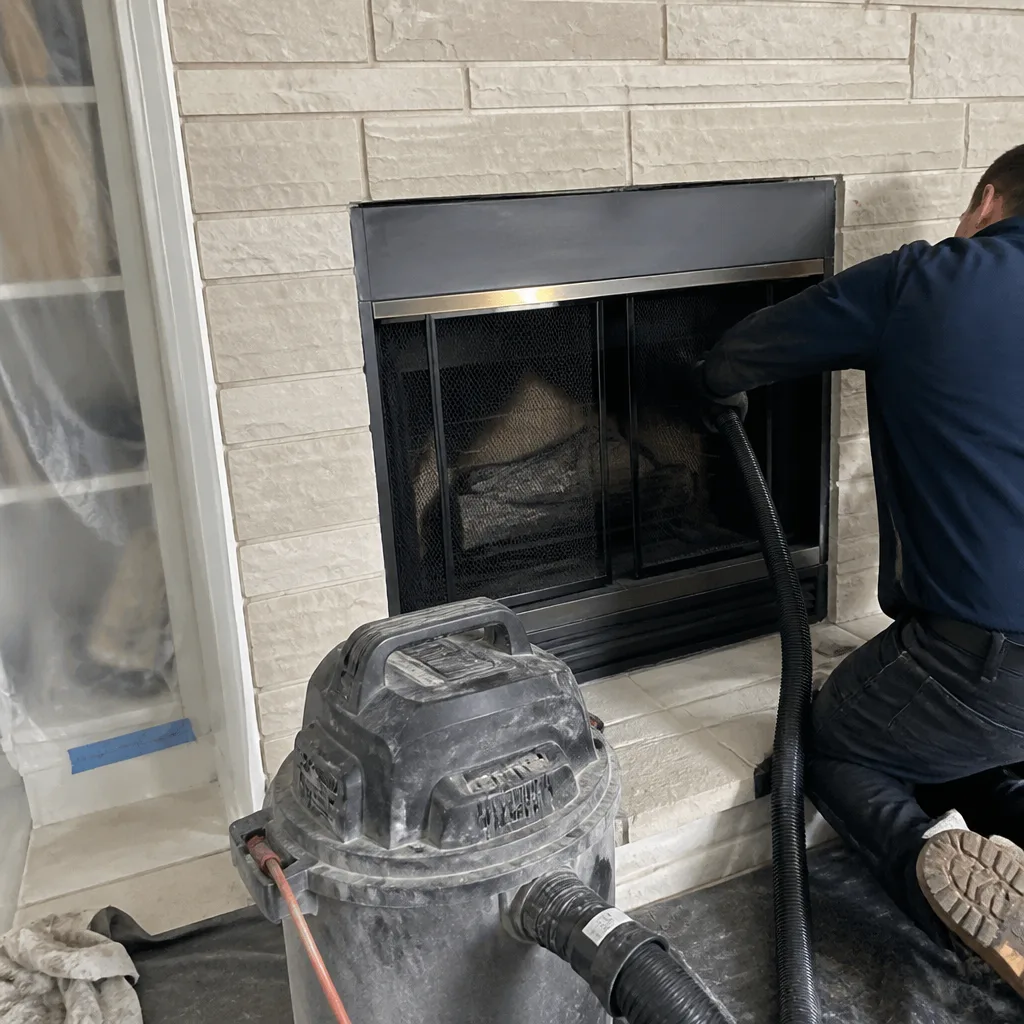
Chimney sweep logs do not sweep chimneys. They loosen some creosote - which then falls where a brush and vacuum still have to collect it.
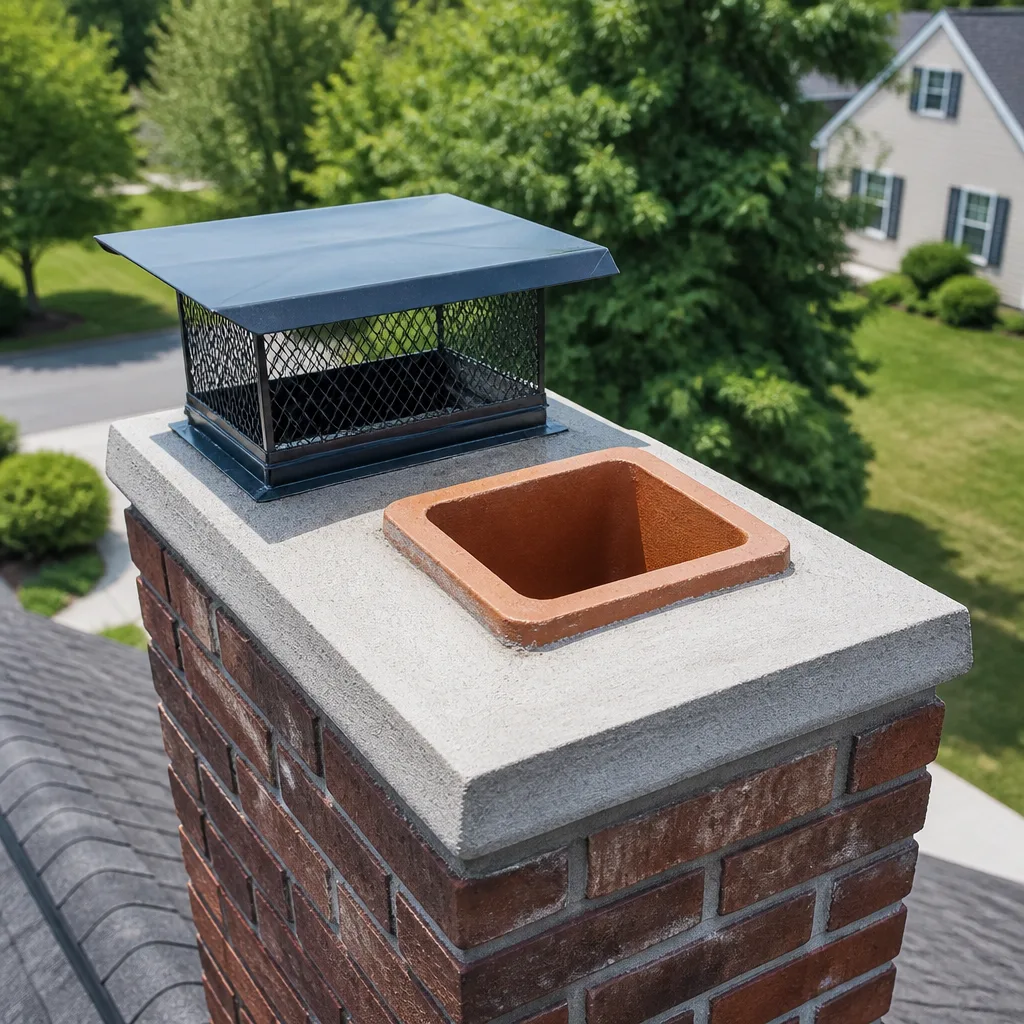
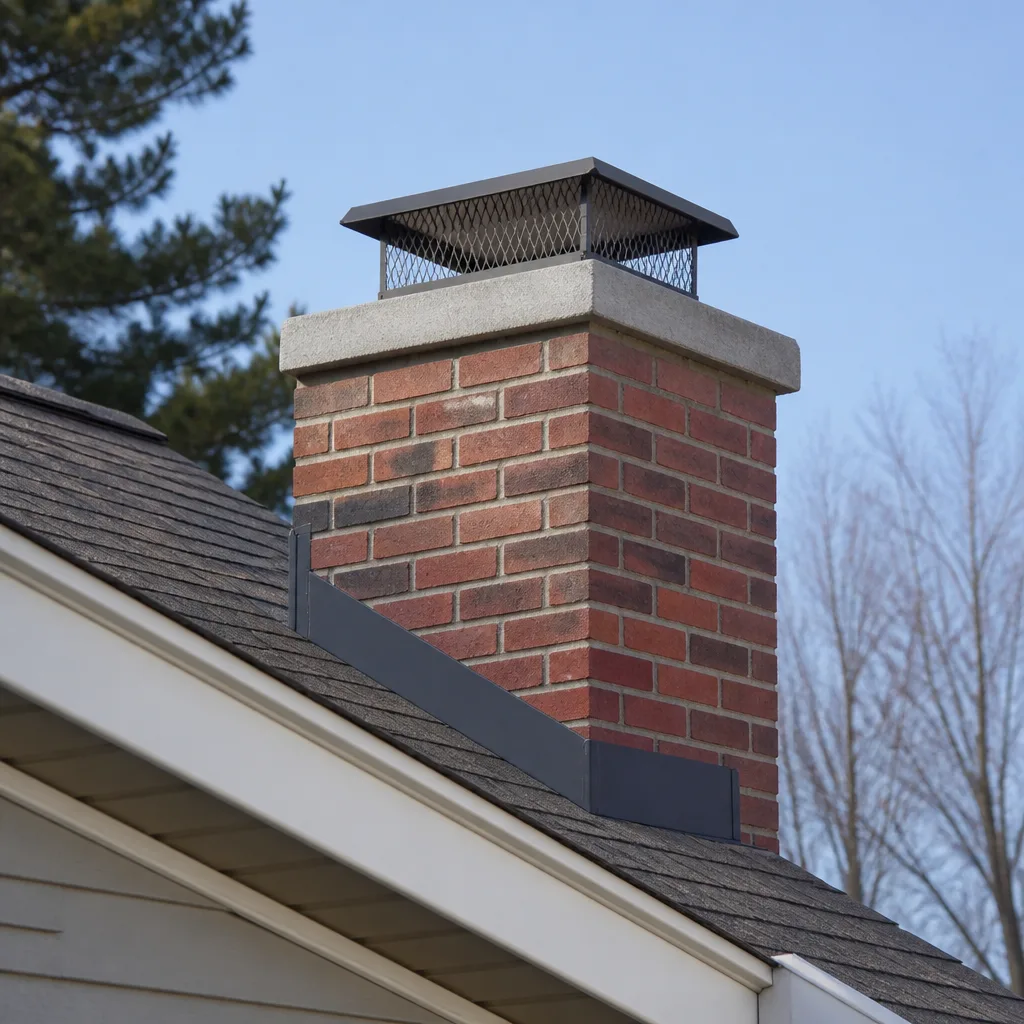
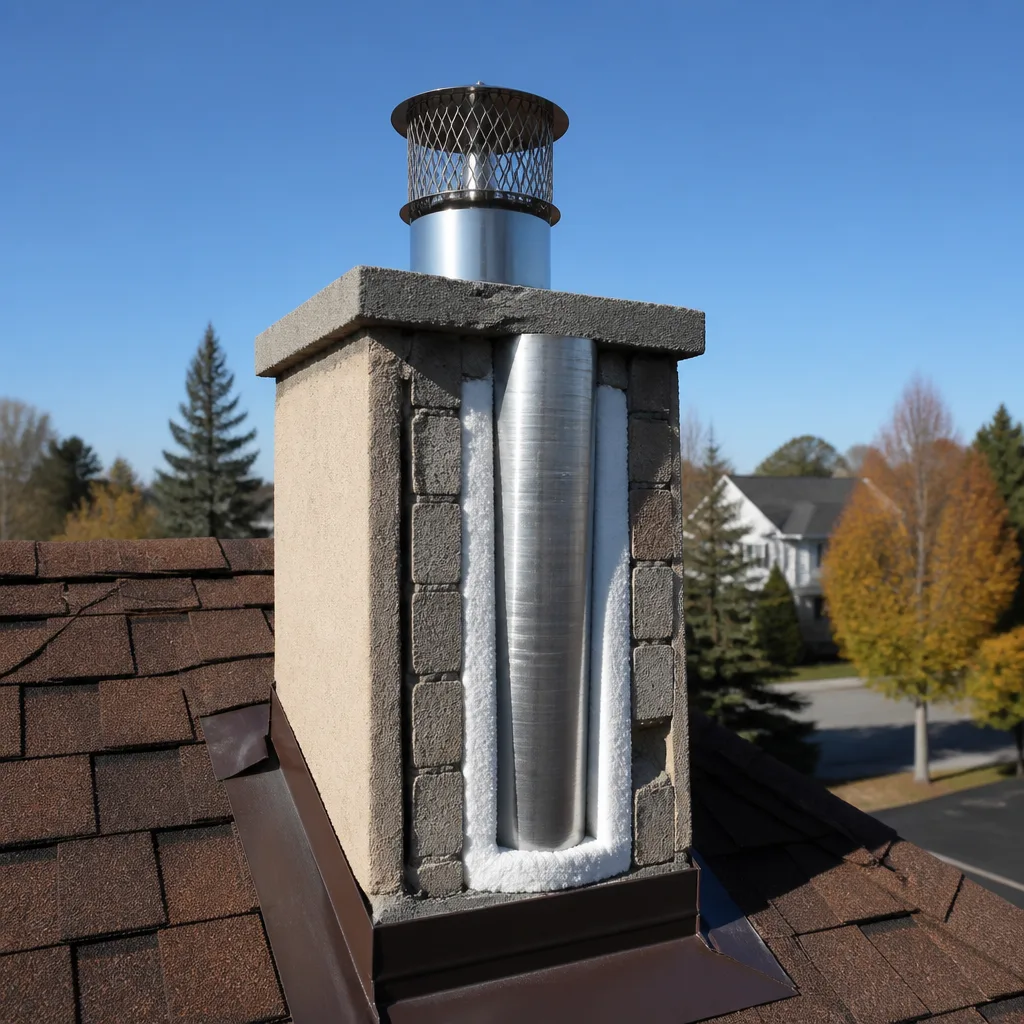
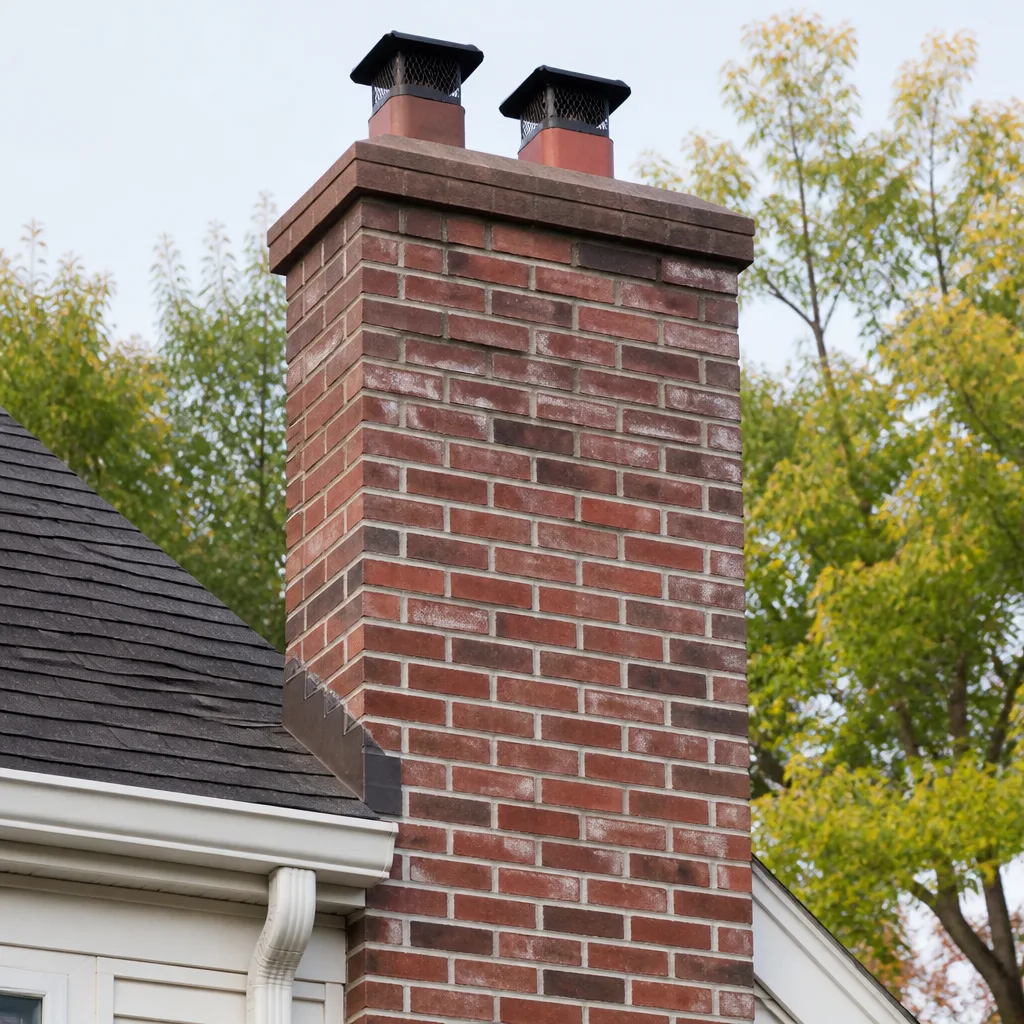
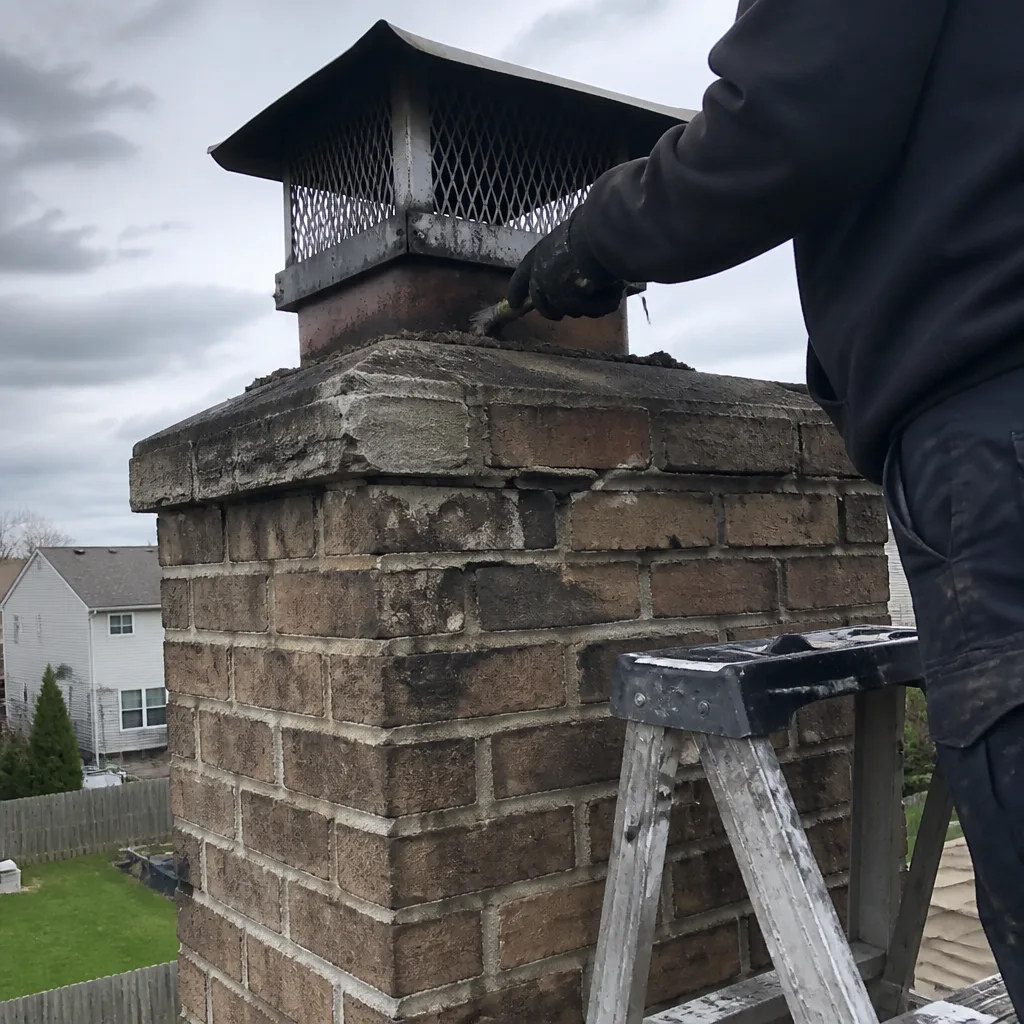 Before
 After
After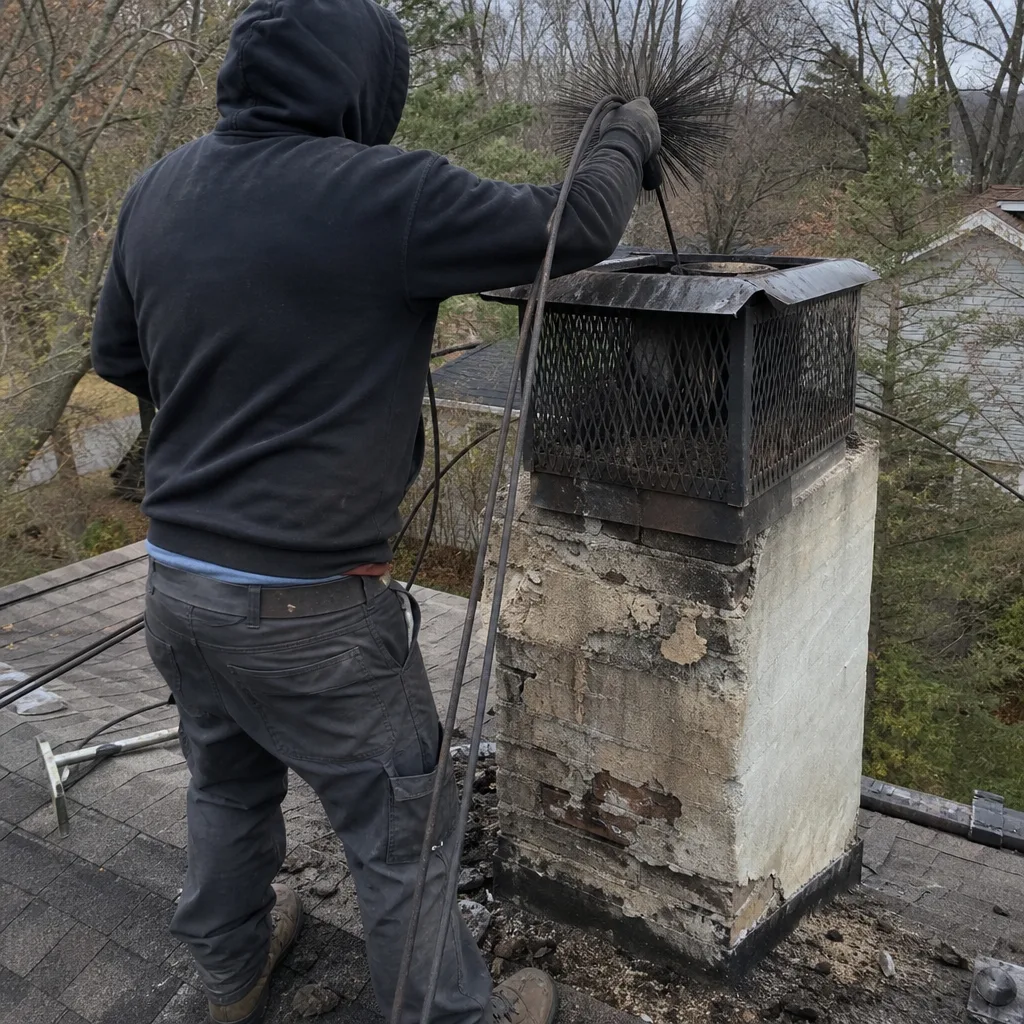 Before
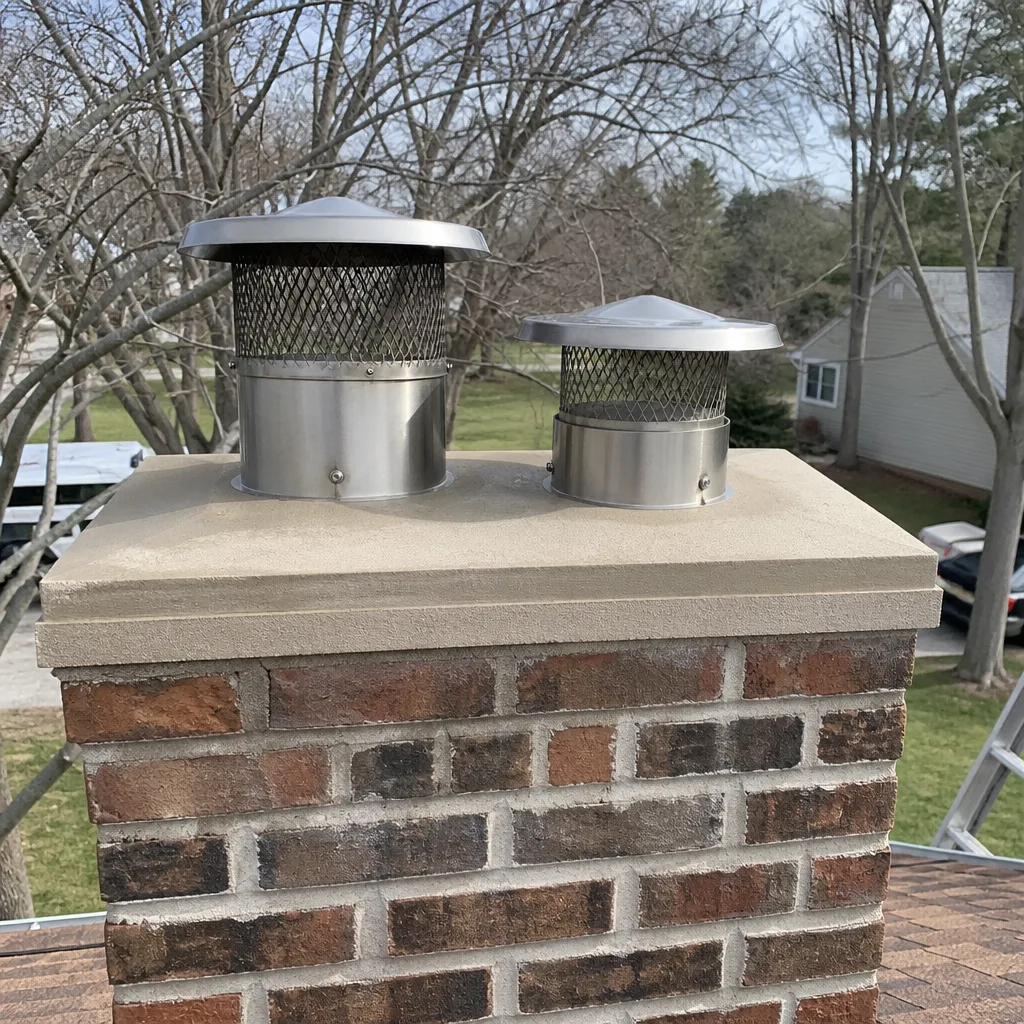 After
After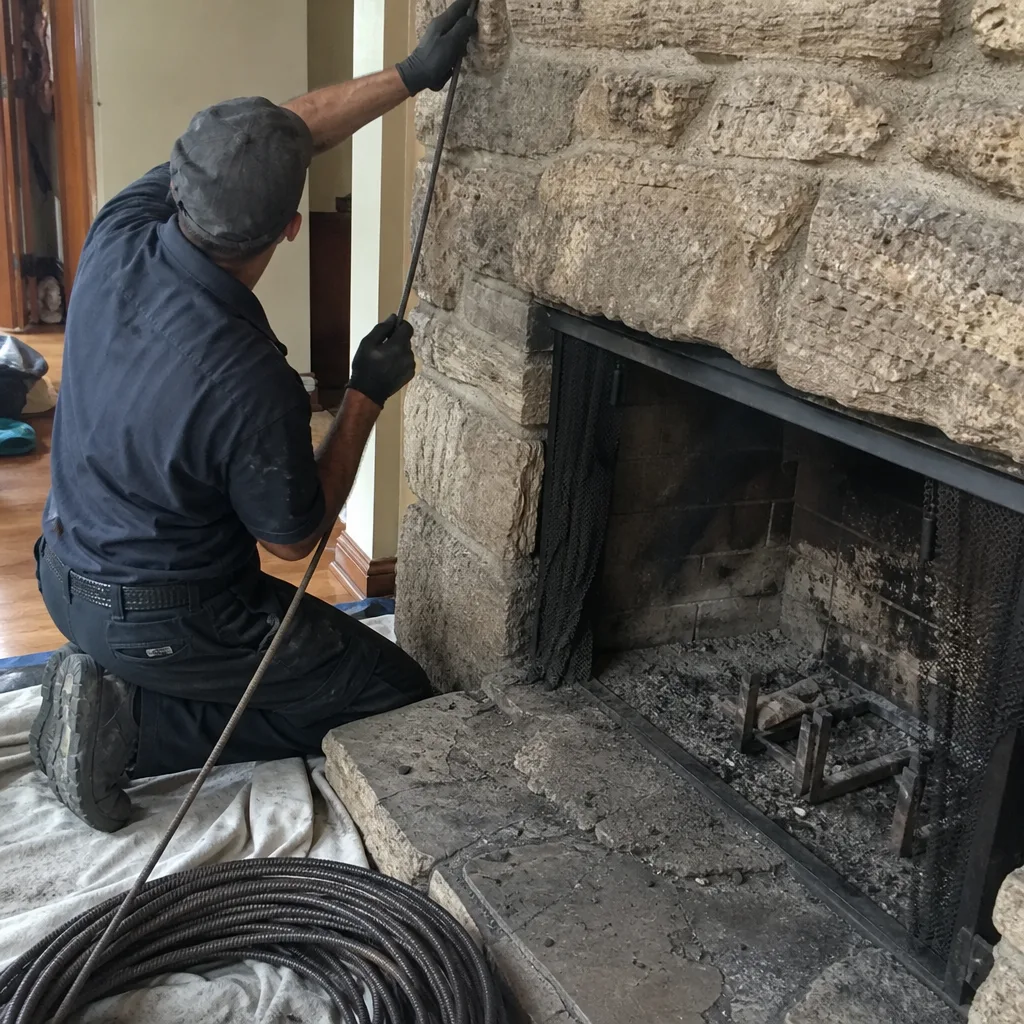 Before
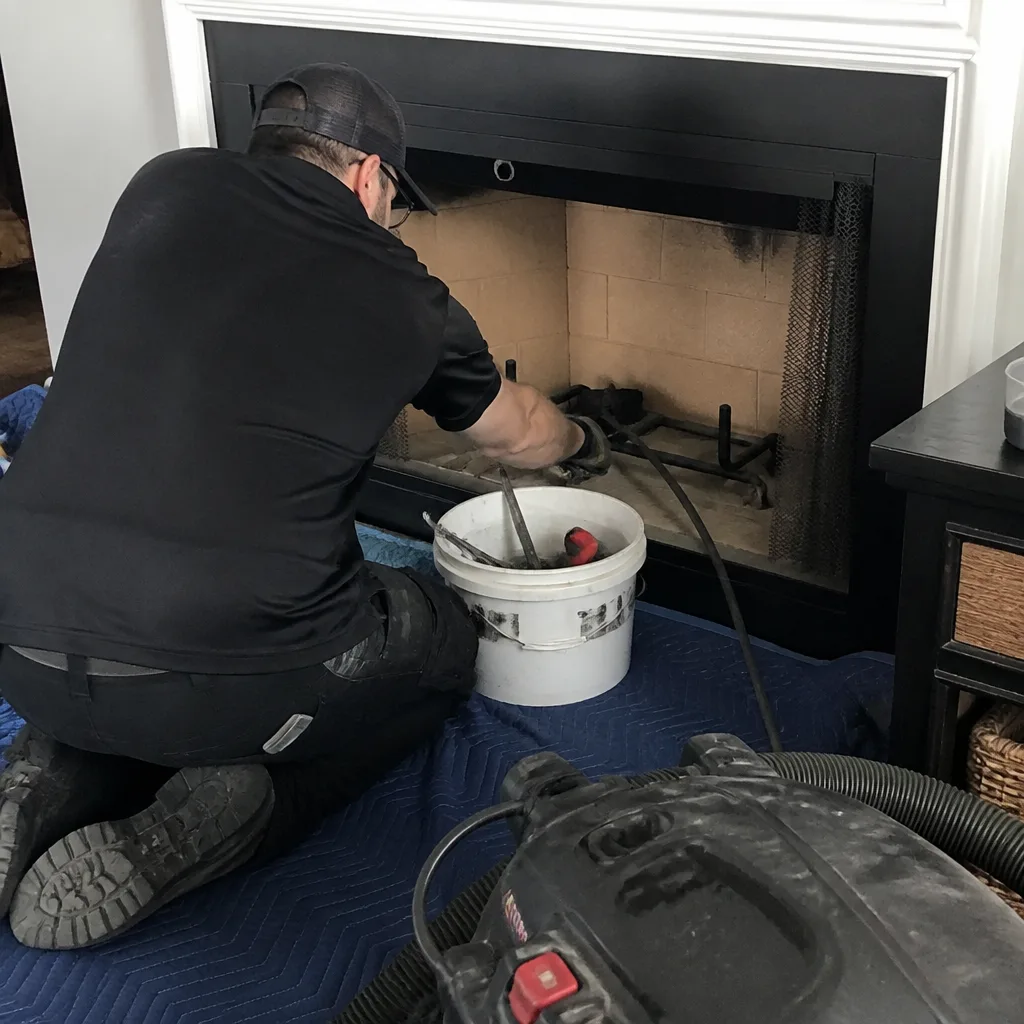 After
AfterChimney Cleaning Permits, Codes & Inspections in IL: What You Need to Know
Here’s the distinction that costs Hoffman Estates homeowners thousands at closing: chimney cleaning itself doesn’t require a permit in Illinois, but the repairs frequently found during cleaning absolutely do. We’ve pulled camera footage from flues in the Westridge and Barrington Square subdivisions where previous owners had liners replaced without permits, and the new owners discovered the gap only when their buyer’s attorney ran a Village of Hoffman Estates building records search. In Illinois, unpermitted chimney work isn’t merely a code violation. It creates a break in your insurance chain of evidence that an adjuster can use to deny a claim after a chimney fire.
This guide maps exactly where the permit line sits in Cook County, which repairs trigger Village of Hoffman Estates inspection requirements, and how permit records appear in the FOIA-accessible building history that real estate attorneys review before closing.
Quick Answer
Chimney cleaning and sweeping in Illinois do not require a building permit under state or Cook County code. However, liner replacement, firebox rebuilds, structural crown repairs, and any modification to the chimney’s venting classification do require permits through your local municipality, including the Village of Hoffman Estates Building Division. A Level 2 inspection identifies whether permit-triggering conditions exist, but the inspection report itself is not a permit substitute.
Table of Contents
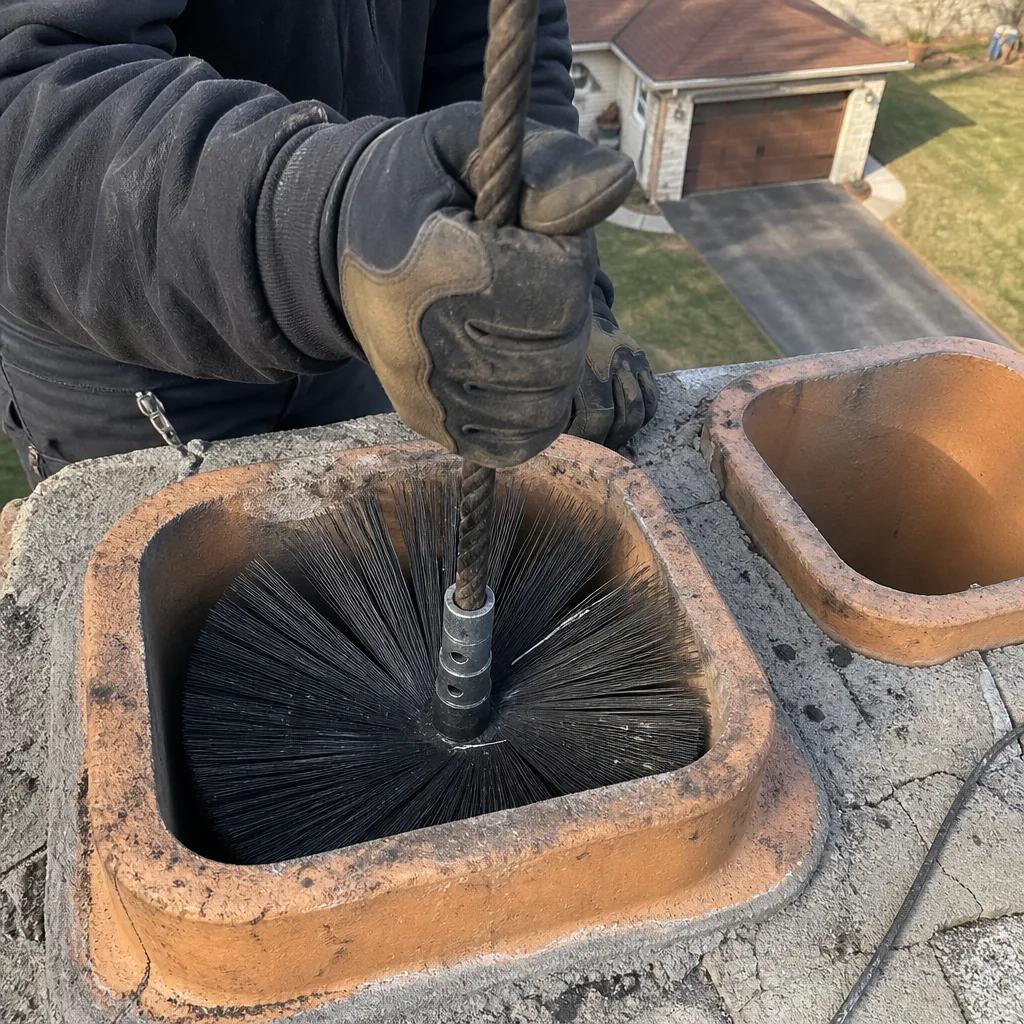
- Illinois State Code vs. Cook County Local Amendments
- What Actually Triggers a Chimney Permit in Hoffman Estates
- What a Level 2 Inspection Report Is (and Isn’t)
- How Permit Records Appear in Illinois Building History
- Contractor Liability and Homeowner Exposure
- Permit Costs, Inspection Timelines, and What to Expect
- Common Mistakes to Avoid
- When to Call a Professional
- Frequently Asked Questions
 Before
 After
AfterIllinois State Code vs. Cook County Local Amendments
Illinois chimney regulation operates in two layers, and understanding which governs your situation prevents both code violations and unnecessary permit applications. Our Complete Guide to Chimney Cleaning in Hoffman Estates covers both layers in full detail.
The state layer is straightforward. Illinois adopts NFPA 211, Standard for Chimneys, Fireplaces, Vents, and Solid Fuel-Burning Appliances, by reference through the Illinois Energy Conservation Code. NFPA 211 mandates annual inspection for chimneys in active use, with cleaning frequency determined by creosote accumulation, not calendar time. The standard also specifies three inspection levels, with Level 2 requiring internal camera examination of the flue liner, accessible portions of the smoke chamber, and exterior masonry.
Here’s where Cook County municipalities, including Hoffman Estates, add their own requirements. The Village of Hoffman Estates Building Code, which amends the International Building Code and International Residential Code, requires permits for “repair or replacement of chimney liners, fireboxes, or structural components affecting venting capacity.” This is not NFPA 211 language. It’s local amendment language that creates permit obligations the state standard doesn’t mention.
The practical difference matters for homeowners. If we perform a chimney cleaning and sweep in Hoffman Estates and find Class I creosote that brushes clean, no permit is required. If we find a cracked clay flue liner with mortar joint gaps that require liner replacement, the Village of Hoffman Estates requires a permit before work begins. The state code told us to find the problem. The local code tells us to permit the solution.
Climate factors in Cook County amplify this distinction. The freeze-thaw cycles in Hoffman Estates, particularly in neighborhoods like Highland Woods and Winston Knolls where homes sit on clay-heavy soils, accelerate spalling and liner deterioration. We’ve documented liner failures in homes built during the 1980s and 1990s construction booms that are now reaching the 25-35 year mark where clay tile liners commonly fail. The state code requires us to find this. The Village code requires us to permit the repair.
One specific divergence worth noting: NFPA 211 permits stainless steel liner installation as a repair method without specifying manufacturer requirements. The Village of Hoffman Estates Building Division, however, requires UL 1777-listed liners for all replacements, with installation per manufacturer specifications filed with the permit application. We source liners through Olympia Chimney and DuraFlex specifically because both maintain current UL listings and provide specification sheets that satisfy Hoffman Estates permit requirements without delay.
What Actually Triggers a Chimney Permit in Hoffman Estates
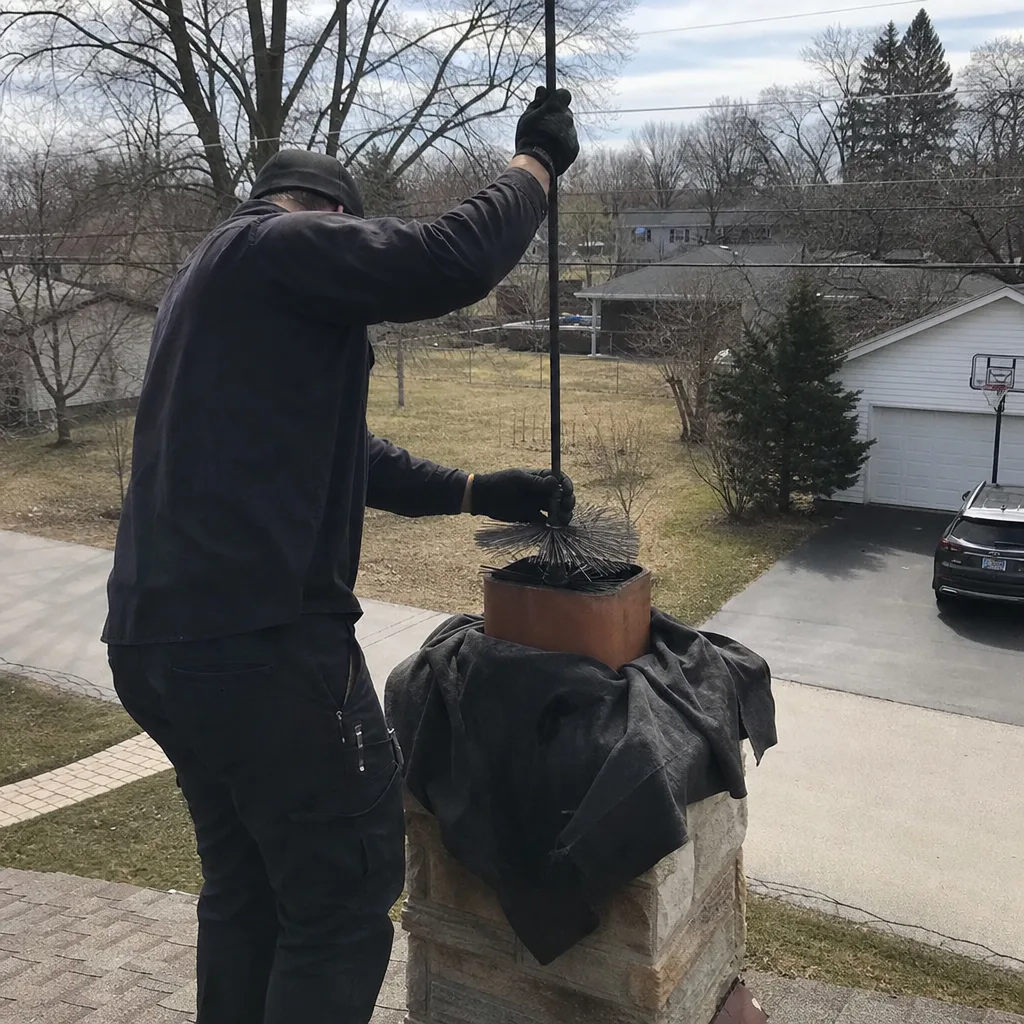
Not every finding during a chimney inspection requires permitting. Understanding the threshold conditions saves time and prevents homeowners from paying permit fees for work that doesn’t need them.
These repairs require a Village of Hoffman Estates building permit:
- Liner replacement or relining: Any work that removes existing flue liner material and installs new liner, whether stainless steel, cast-in-place, or thermocrete. This includes downsizing liners for appliance changes.
- Firebox rebuild or reconstruction: Removal and replacement of more than 50% of firebox brick, or any modification to firebox dimensions that affects combustion air flow or venting ratio.
- Structural crown replacement: Complete removal and replacement of the concrete crown, or crown repairs exceeding 25% of total surface area that involve forming and pouring new material.
- Chimney height modification: Any change to chimney termination height, including removal for roofline modifications or additions.
- Venting classification changes: Converting a wood-burning fireplace to gas insert, or any change between Category I, II, or III venting.
These repairs typically do not require permits:
- Creosote removal and sweeping: Mechanical brushing, rotary cleaning, and chemical treatment of existing flue surfaces.
- Crown sealing and minor crack repair: Application of flexible crown sealants or minor crack injection without structural forming or pouring.
- Cap replacement: Like-for-like replacement of chimney caps, including stainless steel or copper caps from Famco or Copperfield, provided dimensions and spark arrestor specifications remain unchanged.
- Fireplace door or screen installation: Retrofit doors that don’t modify firebox opening dimensions or combustion air supply.
- Damper repair or replacement: Like-for-like throat damper replacement without firebox modification.
The 50% threshold for firebox rebuilds is where homeowners commonly get surprised. In a typical Hoffman Estates ranch built in 1987 with a heat-form firebox, the rear wall often shows heat-induced spalling first. If that rear wall represents 30% of total firebox surface area, replacement doesn’t trigger permitting. If the sidewalls have also degraded and total replacement exceeds 50%, the permit requirement activates. We document exact percentages in our written scope under Haven Standard Clause 1 so homeowners know before work starts whether permitting applies.
We’ve encountered situations in the Salem Square area where previous contractors performed “maintenance” that was actually liner replacement without permits, describing the work as “flue restoration” or “relining maintenance” in invoices. The Village of Hoffman Estates Building Division doesn’t recognize these terms. If a stainless steel liner went in, a permit was required, regardless of what the invoice called it.
What a Level 2 Inspection Report Is (and Isn’t)
A Level 2 inspection report identifies whether permit-triggering conditions exist. It does not satisfy permit requirements, replace permit applications, or substitute for municipal inspection sign-off. Understanding this distinction prevents homeowners from presenting their Level 2 report as proof of code compliance when it’s actually the document that tells you whether you need to pursue code compliance through permitting.
Here’s what NFPA 211 Level 2 includes, and why we made it our default practice in 2009:
- Interior camera scan of the full flue length: We run a high-resolution camera from the firebox or cleanout to the flue termination, recording video and capturing still images of every joint, offset, and surface condition. This finds cracks, gaps, and creosote buildup that visual inspection misses.
- Accessible portions of the smoke chamber: The area above the firebox and below the flue liner, where many chimney fires originate. We document parging condition, corbelled brick integrity, and any exposed framing.
- Exterior masonry and crown evaluation: From roof level or ladder, we photograph crown condition, cap installation, flashing integration, and any spalling, efflorescence, or structural cracking.
- Clearance verification: Measuring or verifying proper clearances to combustibles, particularly in attics and wall chases where framing may have been modified.
- Appliance connection and venting configuration: Documenting what connects to the chimney, how it connects, and whether the configuration matches the intended design.
The report we deliver under Haven Standard Clause 4 includes all footage, still images, written findings, and a written scope with price for any recommended work. If that scope includes liner replacement or firebox rebuild, we flag the permit requirement in the same document. Homeowners in Hoffman Estates receive this before any work is scheduled, not after a technician has already arrived.
What the Level 2 report cannot do: it cannot be filed with the Village of Hoffman Estates in lieu of a permit application. It cannot be presented to an insurance adjuster as proof that work was performed to code. It cannot be used by a buyer’s attorney to verify that previous work was permitted. It is a diagnostic document, not a compliance document.
We’ve had homeowners in the Pleasant Square subdivision ask why they need both our Level 2 report and a Village inspection if the Village inspector is just going to look at the same things. The answer is jurisdiction and liability. Our camera finds the condition. The Village inspector verifies that the repair method specified in the permit application matches what was actually installed, that clearances meet amended code, and that the work was performed by appropriately licensed contractors. These are separate functions, and both are necessary for a complete compliance record.
How Permit Records Appear in Illinois Building History
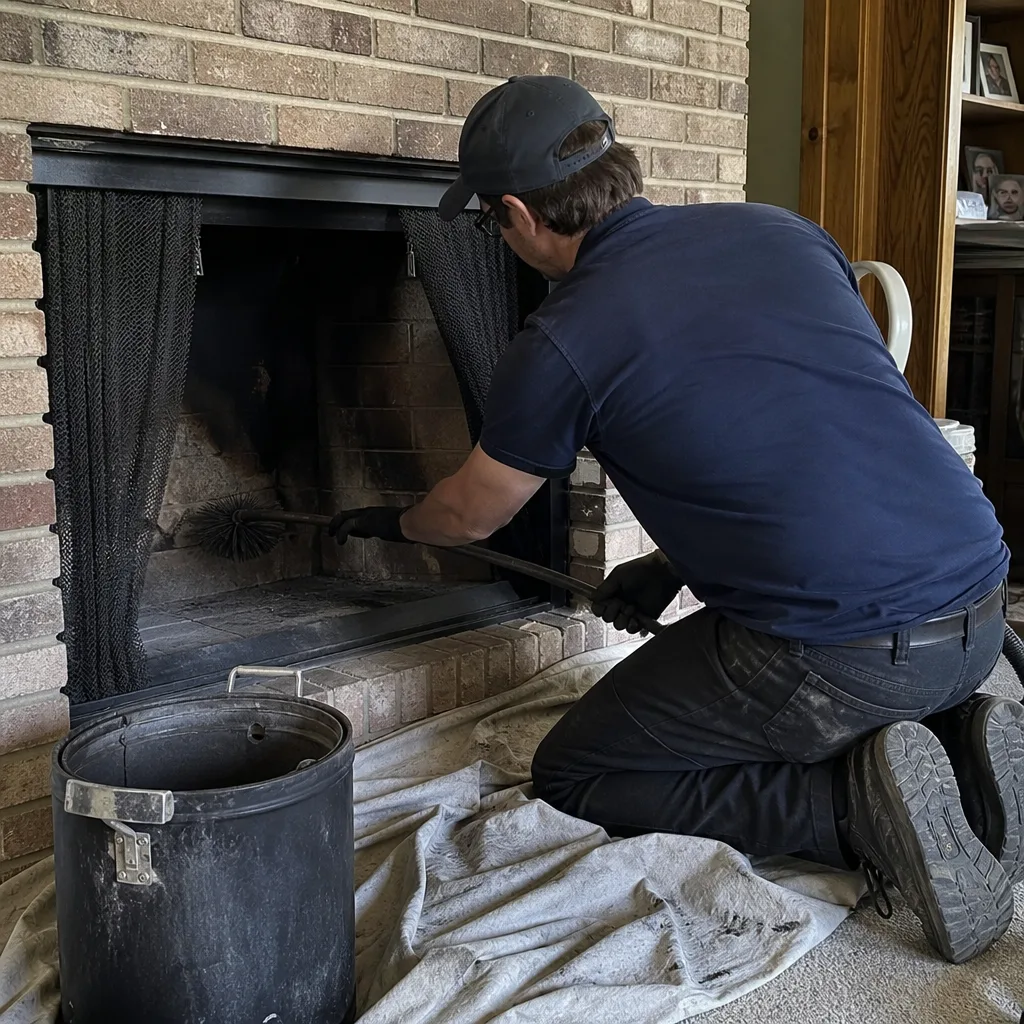
Illinois Freedom of Information Act provisions make most building permit records publicly accessible, and real estate attorneys in Cook County routinely request them during due diligence. Understanding what appears, what doesn’t, and how to interpret gaps protects both sellers and buyers in Hoffman Estates transactions.
The Village of Hoffman Estates maintains building records through the Community Development Department, with permit history searchable by property address. A complete record shows permit application date, permit number, scope description, contractor name, inspection dates, and final sign-off status. For chimney work, look specifically for permits described as “chimney repair,” “fireplace repair,” “mechanical – chimney,” or “HVAC – venting modification.”
What a clean record looks like:
- Permit application filed before work commencement date
- Inspection dates occurring after visible completion
- Final sign-off with no “correction required” notations
- Contractor name matching the invoice or warranty document
What a problematic record looks like:
- No permit for work described in seller disclosures or visible in the chimney
- Permit applied for after work was already completed (retroactive permitting, which Hoffman Estates may reject or penalize)
- “Abandoned” or “expired” permit status with no final inspection
- Contractor name on permit that doesn’t match the contractor who invoiced the work
- Correction notations that were never cleared with re-inspection
We’ve reviewed building records for Hoffman Estates homes where the permit history showed a 2019 “chimney repair” permit with final sign-off, but the current liner was clearly a different material and diameter than what the permit scope described. This suggests either unpermitted subsequent work or a permit scope that didn’t match actual installation. Either way, it’s a title issue that can delay closing.
For homeowners who’ve had work done, we recommend requesting your own building record before listing. The Village of Hoffman Estates provides this through a FOIA request or direct inquiry to the Building Division. If you find gaps between work you paid for and permits on file, a licensed contractor can sometimes help document what was installed, though retroactive permitting is at municipal discretion and may require partial disassembly for inspection.
Buyers in Hoffman Estates should specifically ask their attorney to search for chimney permits when the seller disclosure mentions “new liner,” “rebuilt firebox,” or “updated fireplace.” These phrases almost always indicate permit-required work, and their absence from building records is a negotiation point, not merely a curiosity.
Contractor Liability and Homeowner Exposure
When a contractor performs permit-required chimney work without pulling a permit, the liability exposure doesn’t stay with the contractor alone. Illinois courts have consistently found that homeowners who knowingly participate in unpermitted work, or who fail to exercise reasonable diligence in verifying permits, share in the consequences.
The contractor faces the most direct exposure. In Hoffman Estates, performing work without a required permit violates Village Code Section 150.060, with penalties including stop-work orders, fines, and potential license suspension. The contractor also faces professional liability if the unpermitted work causes damage, because their insurance carrier may deny coverage for work performed outside permit compliance. We’ve seen this in claims where a liner installed without permit developed a seam separation, and the installing contractor’s insurer denied the claim citing permit violation as a policy exclusion.
Homeowner exposure operates differently but significantly. If you hire a contractor who doesn’t pull a required permit, and you know or should know the permit was required, you may face:
- Insurance claim denial: After a chimney fire or carbon monoxide event, your carrier may deny coverage for damage traceable to unpermitted work, treating it as undisclosed modification.
- Resale liability: Illinois disclosure requirements for residential sales include “knowledge of code violations.” Unpermitted work you knew about, or reasonably should have discovered, may become a disclosure obligation that affects sale price or invites post-closing litigation.
- Cost of remediation: If the Village of Hoffman Estates discovers unpermitted work, they may require it be brought to current code, which for chimney liners often means complete removal and reinstallation to current standards, not merely inspection of existing work.
- Warranty voidance: Manufacturer warranties for liners from Olympia Chimney, DuraFlex, and Gelco require installation per listed specifications, which include compliance with local building codes. Unpermitted installation voids this protection.
The “should have known” standard is where Hoffman Estates homeowners get caught. Illinois courts have held that homeowners are not expected to be code experts, but they are expected to verify that contractors have pulled required permits for major work. A simple call to the Village of Hoffman Estates Building Division, or checking the online permit portal, satisfies this diligence. Relying solely on a contractor’s assurance that “we handle all that” does not.
At Level Two Chimney Hoffman Estates, we pull permits for all permit-required work as a standard practice, not an optional add-on. The permit application is filed before work scheduling, and we provide homeowners with the permit number and inspection schedule under Haven Standard Clause 1’s written scope requirement. If a competitor tells you permitting “isn’t necessary for this job,” we offer free second opinions on any written estimate, specifically to review whether permit requirements were properly identified.
Permit Costs, Inspection Timelines, and What to Expect
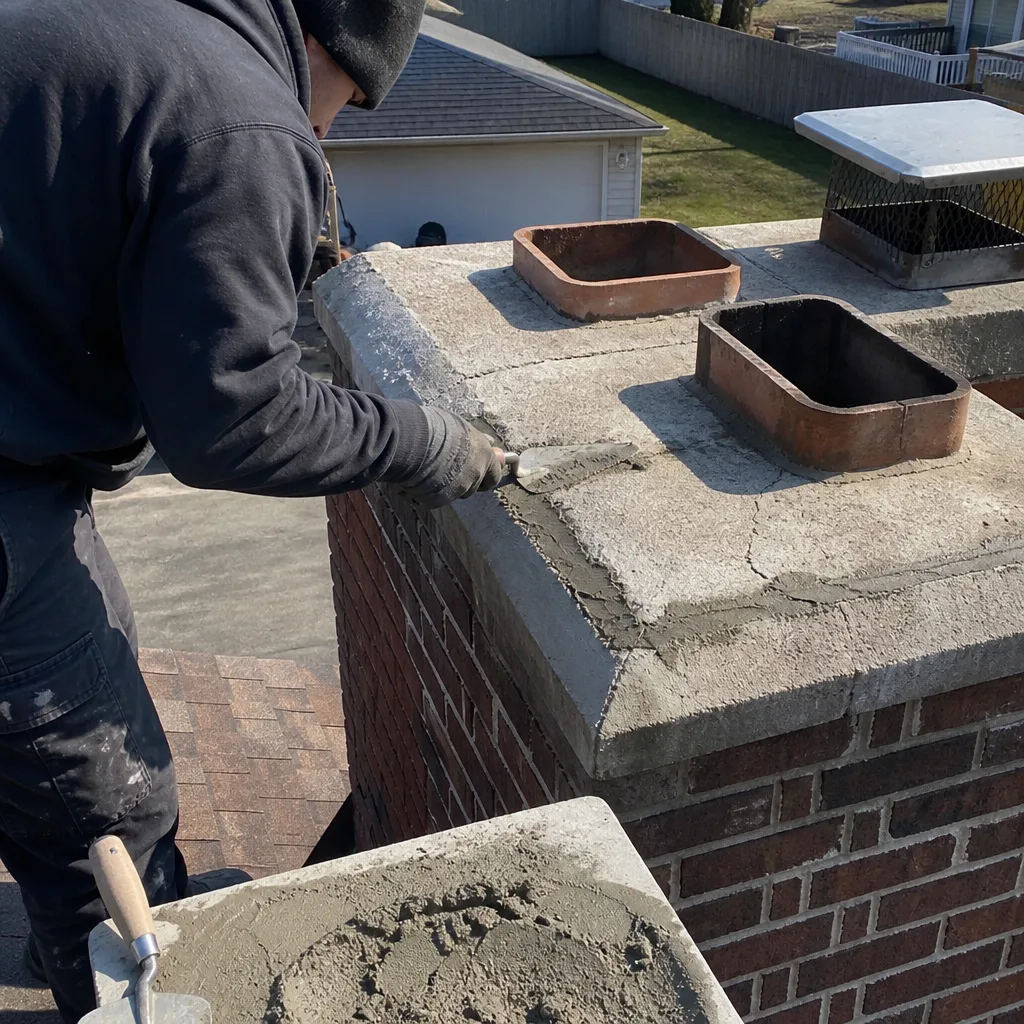
Understanding the practical mechanics of permitting helps homeowners budget accurately and schedule work without last-minute surprises.
Village of Hoffman Estates permit fees for chimney work (as of recent fee schedules):
| Work Type | Permit Fee Range | Inspection Required |
|---|---|---|
| Liner replacement (single appliance) | $85 – $150 | Rough + Final |
| Liner replacement (multiple appliances/shared flue) | $150 – $225 | Rough + Final |
| Firebox rebuild (partial or complete) | $100 – $175 | Rough + Final |
| Crown replacement (structural) | $75 – $125 | Final only |
| Chimney height modification | $125 – $200 | Rough + Final |
| Venting classification change | $100 – $165 | Rough + Final |
These fees are separate from contractor labor and materials. At Level Two Chimney Hoffman Estates, we itemize permit fees separately in our written scope under Haven Standard Clause 1, so homeowners see exactly what the Village charges versus what we charge for labor, materials from Olympia Chimney or DuraFlex, and documentation.
Typical timeline for permitted work in Hoffman Estates:
- Permit application: 1-2 business days for contractor preparation and submission, including scope description, manufacturer specifications, and contractor license verification.
- Village review: 3-5 business days for standard chimney permits; 7-10 days if the work involves gas appliance conversion requiring additional trade review.
- Permit issuance: Same-day upon approval, with inspection scheduling available online or by phone.
- Rough inspection: For liner installations, after liner is dropped but before final connections and sealing; for firebox rebuilds, after bricklaying but before final parging.
- Final inspection: After all work complete, appliances connected, and chimney tested for proper draft.
- Final sign-off: Typically same-day or next business day after passing inspection, with certificate available for homeowner records.
Total elapsed time from permit application to final sign-off typically runs 10-14 business days for straightforward liner replacements, longer if weather delays roof access or if corrections are required. We schedule work to accommodate this timeline, never starting permit-required work before permit issuance.
Homeowners in Hoffman Estates should be aware that the Village does not offer same-day or emergency permit processing for chimney work. Contractors who promise “we can start tomorrow” for permit-required repairs are either performing unpermitted work or misleading you about the permit status. We answer calls live 24 hours a day, 7 days a week, and we’ll tell you directly what the realistic timeline is for your specific scope.
Common Mistakes to Avoid
- Assuming “chimney sweep” companies handle permits automatically. Many sweep-only operations lack contractor licensing required for permit application. Verify your contractor’s license status with the Village of Hoffman Estates before work begins.
- Accepting “permit not needed” without written justification. If liner replacement is recommended, a permit is required. Any contractor who says otherwise should provide the specific code section exemption in writing.
- Paying in full before final inspection sign-off. Illinois law permits reasonable down payments, but full payment before final inspection removes your leverage if corrections are required. Our written scope specifies payment timing tied to inspection milestones.
- Discarding permit documentation after work completion. Keep permits, inspection certificates, and contractor invoices for the life of the work plus ten years. These are what insurance adjusters and buyer’s attorneys request.
- Hiring based on lowest price without verifying permit inclusion. An estimate that excludes permit fees isn’t cheaper; it’s incomplete. We include all costs in our written price before work starts, with no exceptions.
- Ignoring permit gaps discovered during real estate transactions. If your pre-listing records search finds missing permits, address them proactively. Waiting for a buyer’s inspection to surface the issue costs more in delayed closing and price reduction.
When to Call a Professional
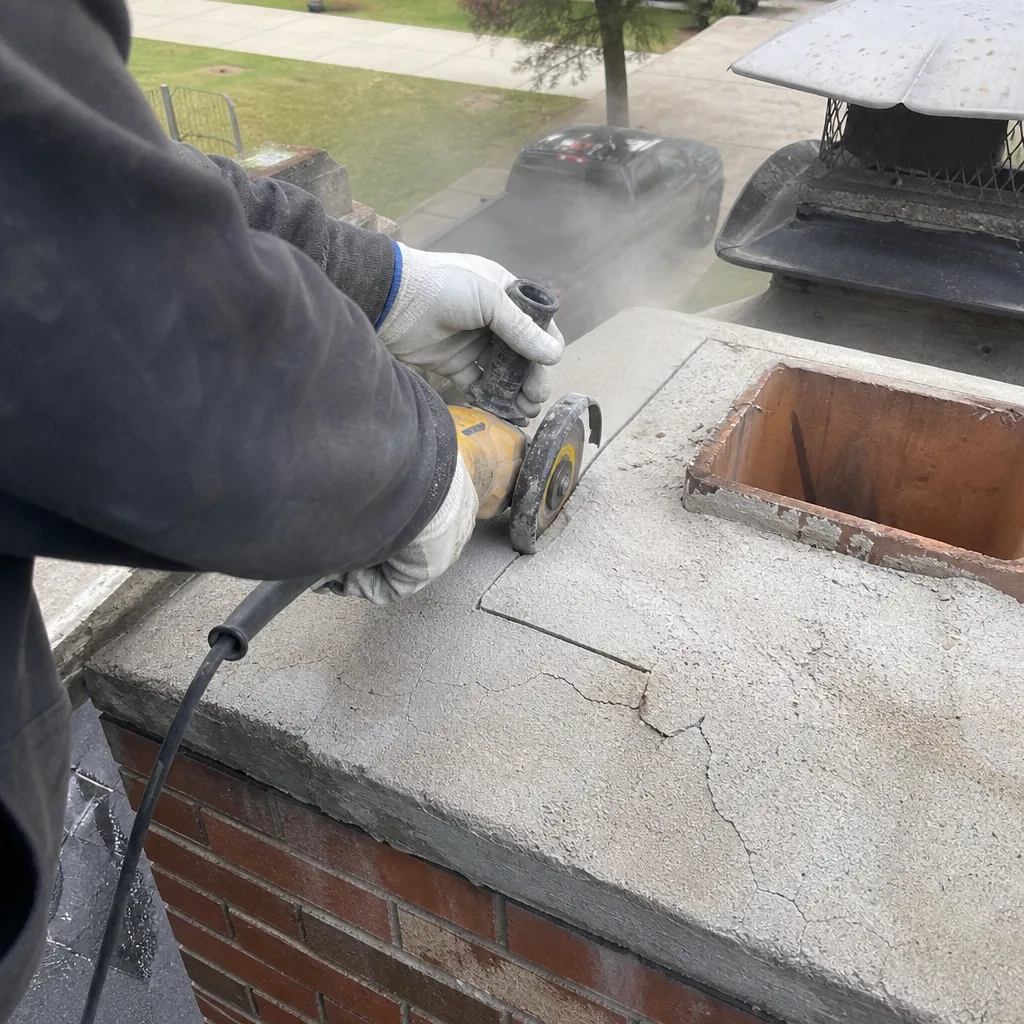
Call a licensed chimney contractor when your Level 2 inspection identifies any condition described in this guide as permit-triggering, or when you’re purchasing a home and building records show incomplete or missing permit history for chimney work. In Hoffman Estates, the freeze-thaw cycles and clay soils common to neighborhoods from Winston Knolls to Highland Woods accelerate the deterioration that leads to these conditions.
Level Two Chimney Hoffman Estates offers free estimates in Hoffman Estates, with written scope and written price delivered before any work is scheduled. We’ve completed more than 38,000 chimney inspections and cleanings since 2009, every one with a documented photo record under Haven Standard Clause 4. Explore more guides & resources on protecting your home. If you’ve received an estimate from another contractor and want verification that permit requirements were properly identified, we provide free second opinions on any written estimate. Call (331) 200-4445 to speak with a live person, any time.
Frequently Asked Questions
No. Chimney cleaning, sweeping, and creosote removal do not require a building permit in the Village of Hoffman Estates or anywhere in Illinois. Permits are required only for structural repairs, liner replacement, firebox rebuilds, and venting classification changes. Call (331) 200-4445 for a free estimate if you’re unsure whether your needed work requires permitting.
Stainless steel liner replacement in Hoffman Estates typically ranges from $2,800 to $4,500 for a single-appliance wood-burning fireplace, including Village permit fees, materials from Olympia Chimney or DuraFlex, labor, and documented photo record. Multi-appliance or shared flue configurations run higher. We deliver a written price before work starts under Haven Standard Clause 1, with permit fees itemized separately so you see exactly what the Village charges versus our labor and materials.
Illinois residential disclosure law requires sellers to report known code violations. Unpermitted chimney work that you knew or should have known about must be disclosed, and buyer’s attorneys routinely search Village of Hoffman Estates building records during due diligence. Gaps between disclosed work and permit history can delay closing, trigger price renegotiation, or expose you to post-sale liability. Address permit gaps proactively before listing.
Homeowners can technically pull their own permits in Hoffman Estates, but the Village requires work be performed by appropriately licensed contractors, and most homeowner-pulled permits still require contractor license verification. We handle permitting as standard practice on all permit-required work, with permit numbers provided in your written scope before scheduling. This ensures proper licensing, proper inspection scheduling, and complete documentation for your records.
Contact the Village of Hoffman Estates Building Division directly with your address and the permit number your contractor provided. The Village can confirm permit status, inspection dates, and final sign-off. Alternatively, request your own building record through FOIA. At Level Two Chimney Hoffman Estates, we provide permit numbers in writing under Haven Standard Clause 1, and we encourage homeowners to verify independently.
A Level 2 inspection is a diagnostic evaluation we perform to find conditions and recommend solutions. It includes camera footage, written findings, and a scope with price. A Village code inspection verifies that permit-required work matches the approved scope, meets amended code requirements, and was performed by licensed contractors. You need both: our inspection to identify what work is needed, and the Village inspection to verify that the work was done to code. Our inspection report does not substitute for Village inspection sign-off.
The Bottom Line
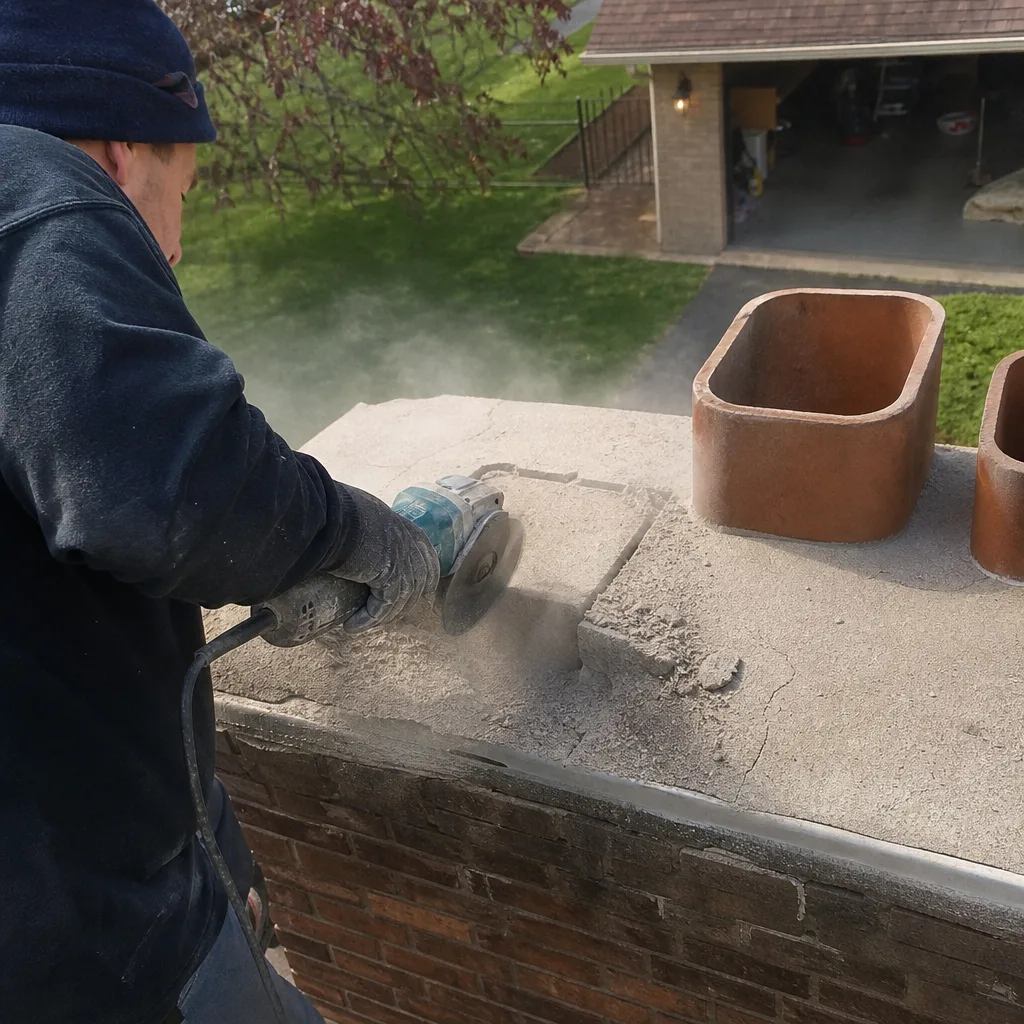
Chimney cleaning in Illinois requires no permit, but the repairs that cleaning frequently reveals do, and the distinction matters for insurance coverage, resale value, and code compliance. In Hoffman Estates, liner replacement, firebox rebuilds, structural crown work, and venting changes all require Village permits with documented inspection. A Level 2 camera inspection identifies these conditions but doesn’t replace permitting. Building records are publicly accessible and routinely reviewed in real estate transactions. Contractors who skip permits expose homeowners to claim denials, resale liability, and costly remediation. Verify permits independently, keep documentation for ten years, and demand written scope with written price before any work begins.
Written by Corrine Halstead, Owner at Level Two Chimney Hoffman Estates, serving Hoffman Estates since 2009.