
Last updated September 22, 2026
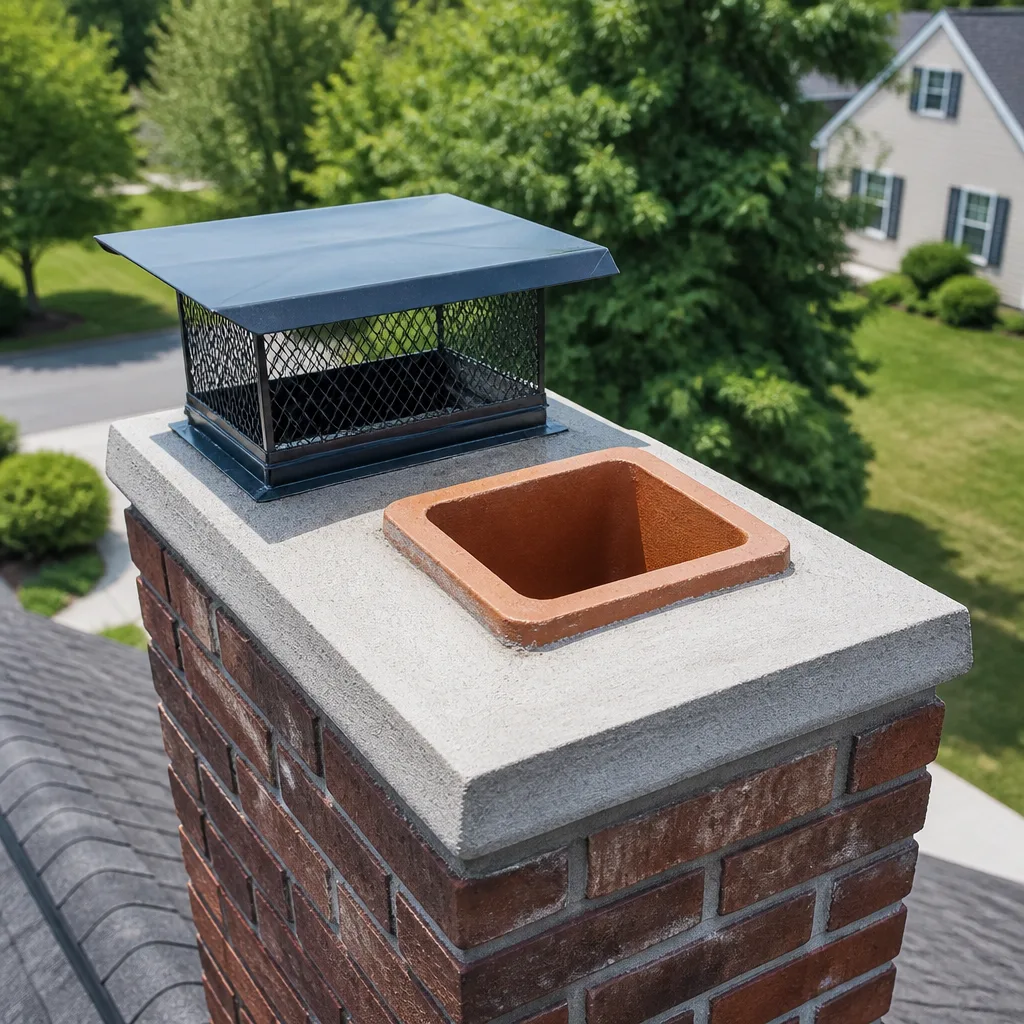
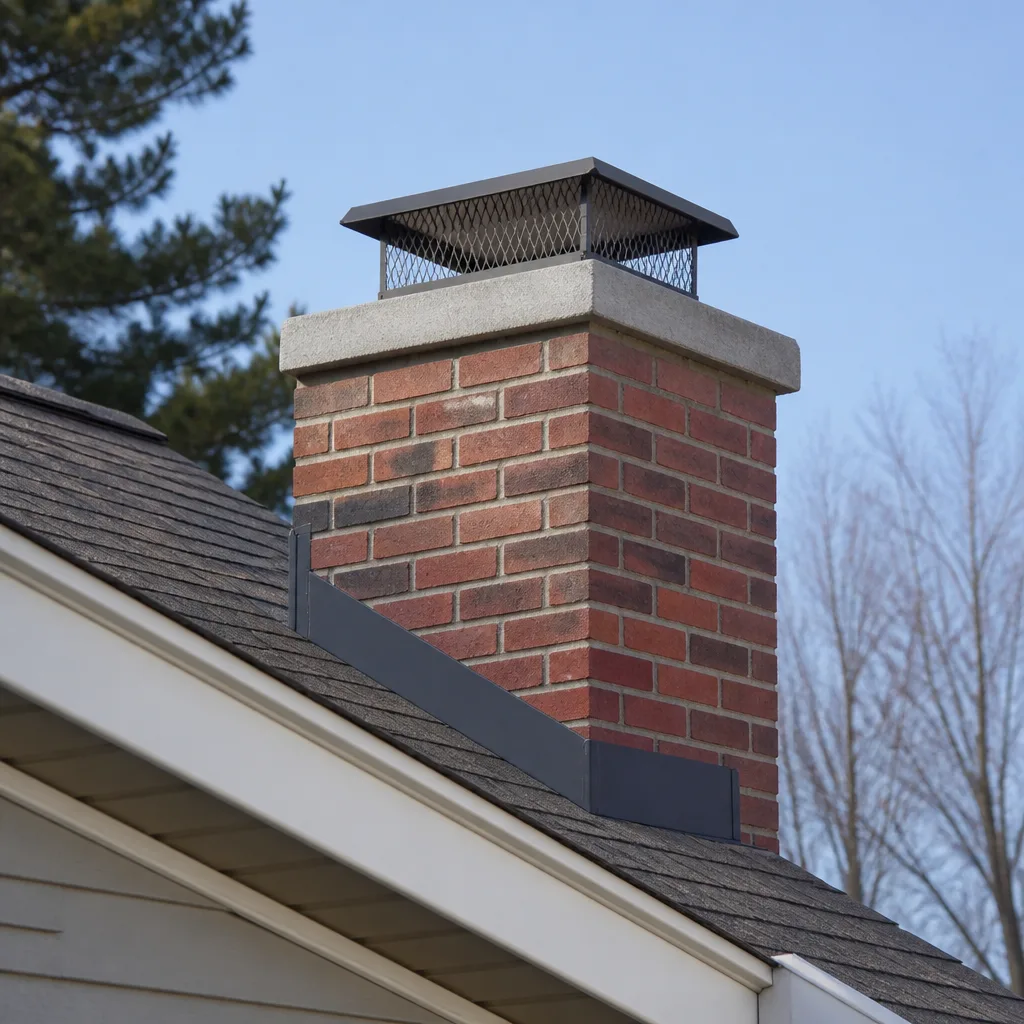
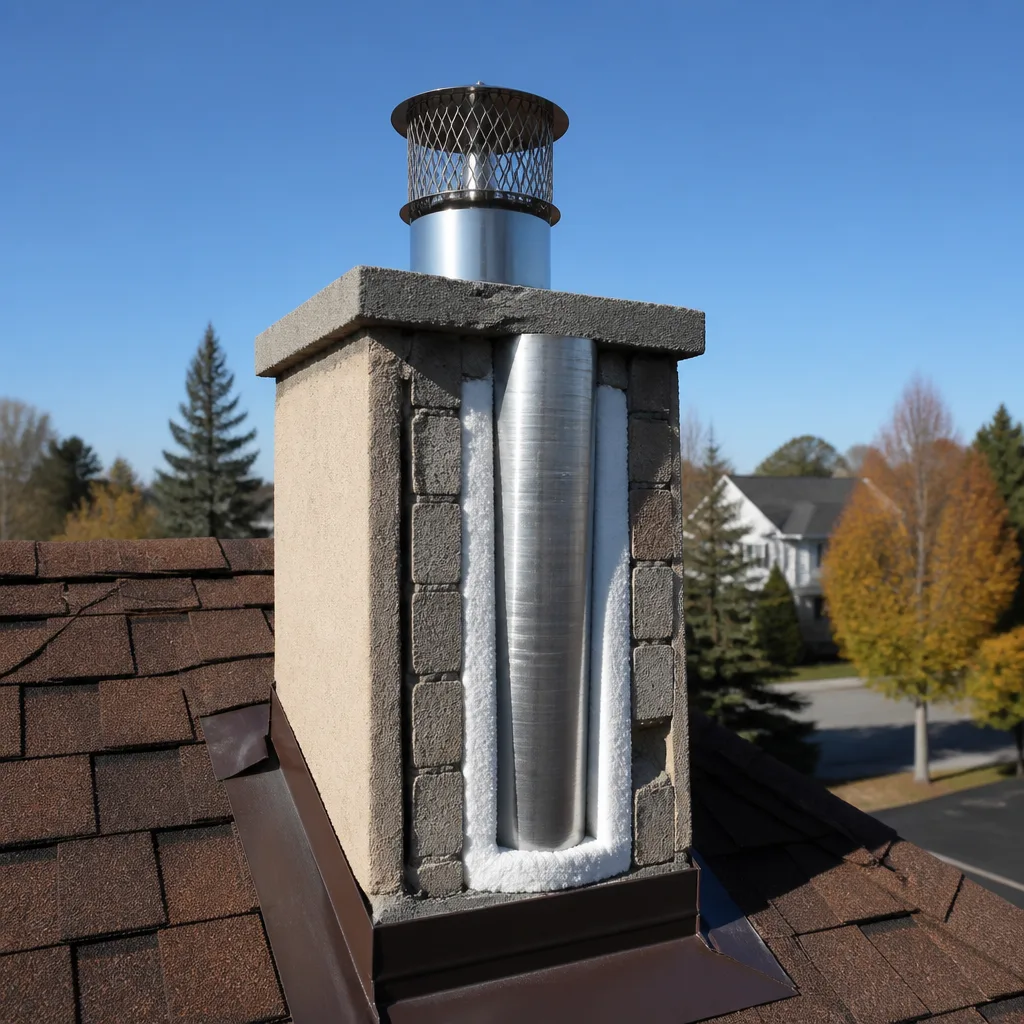
Level 1 sweep and inspection to the NFPA 211 annual standard - flue, crown, cap, and flashing checked and photographed
Chimney sweep logs do not sweep chimneys. They loosen some creosote - which then falls where a brush and vacuum still have to collect it.
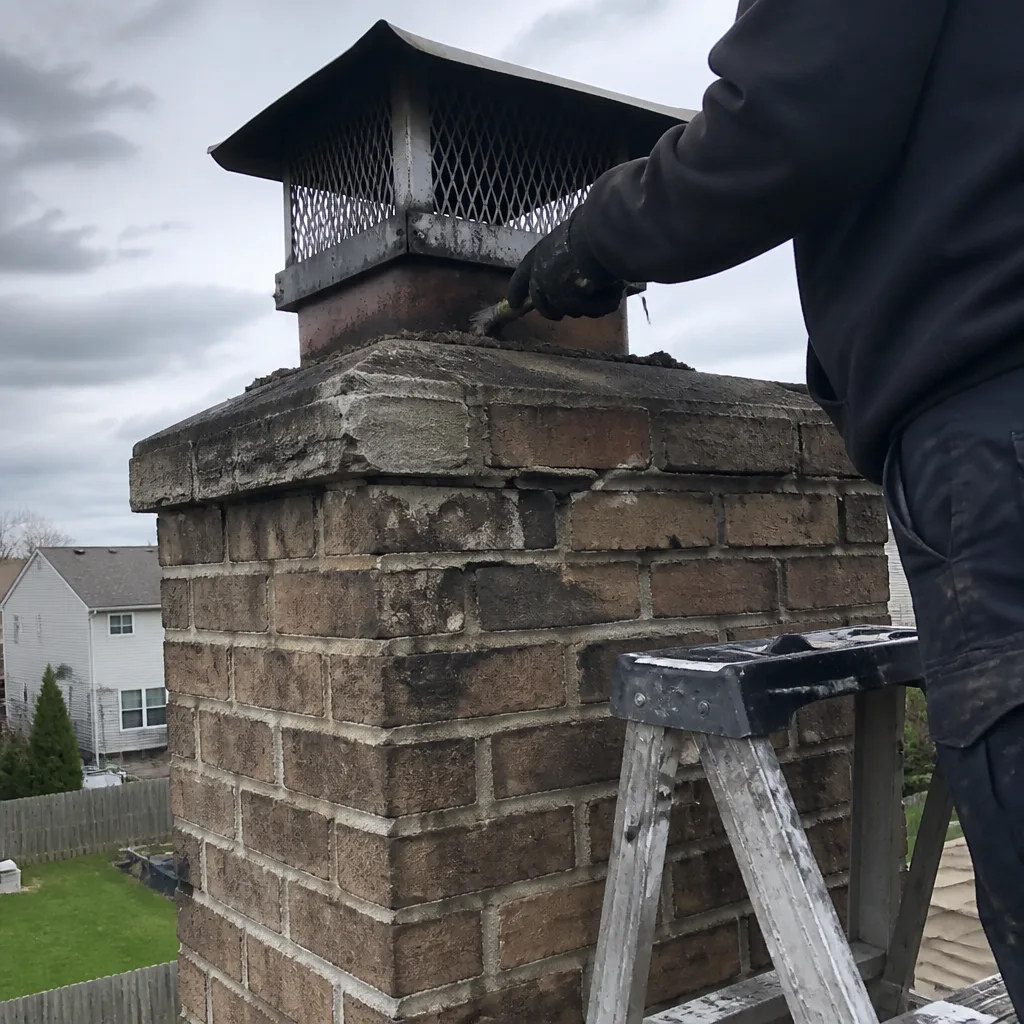 Before
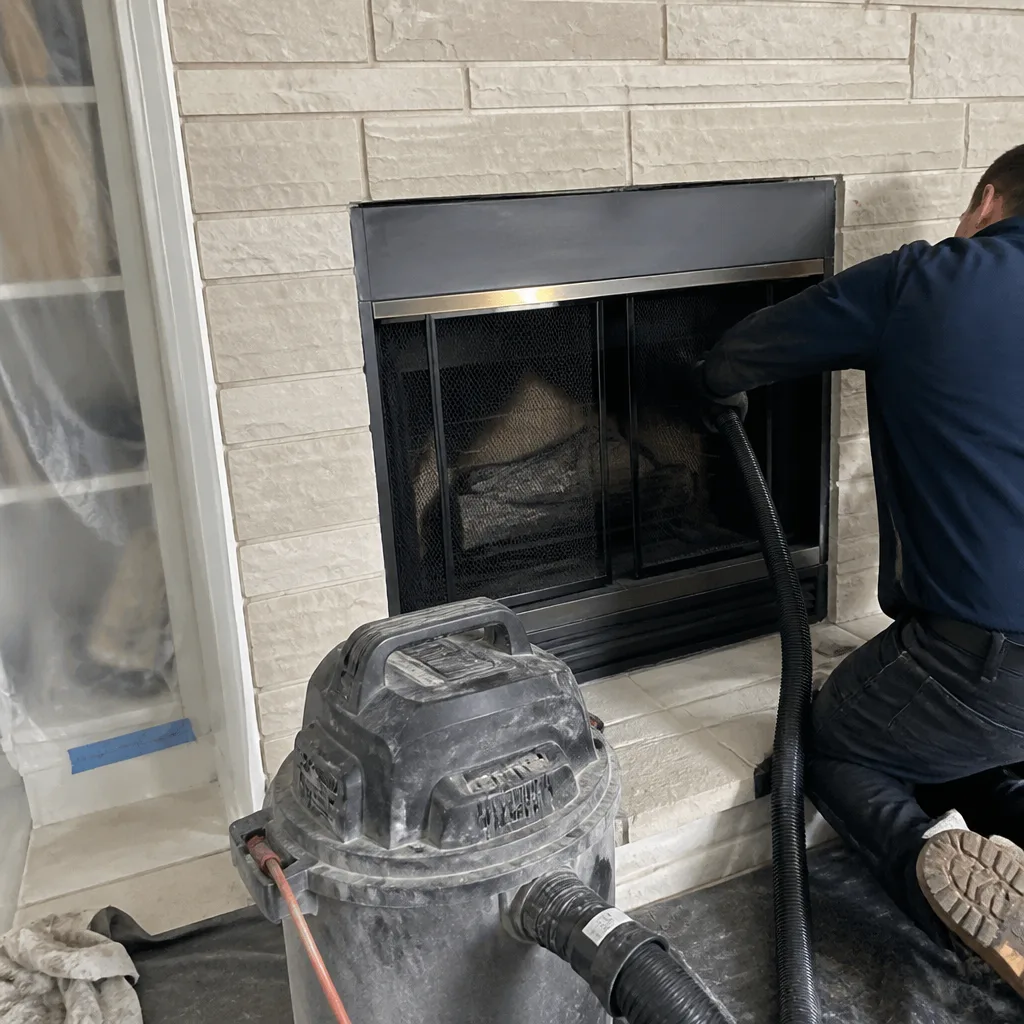 After
After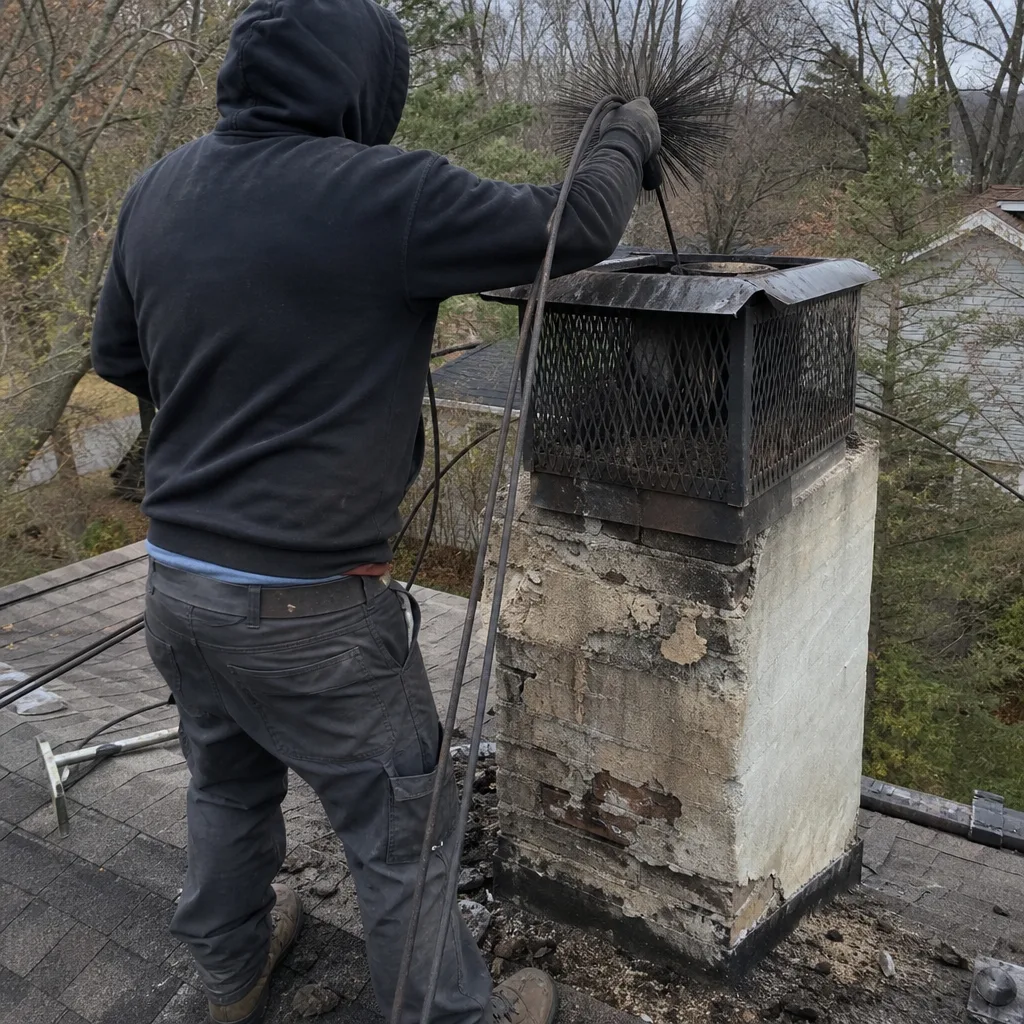 Before
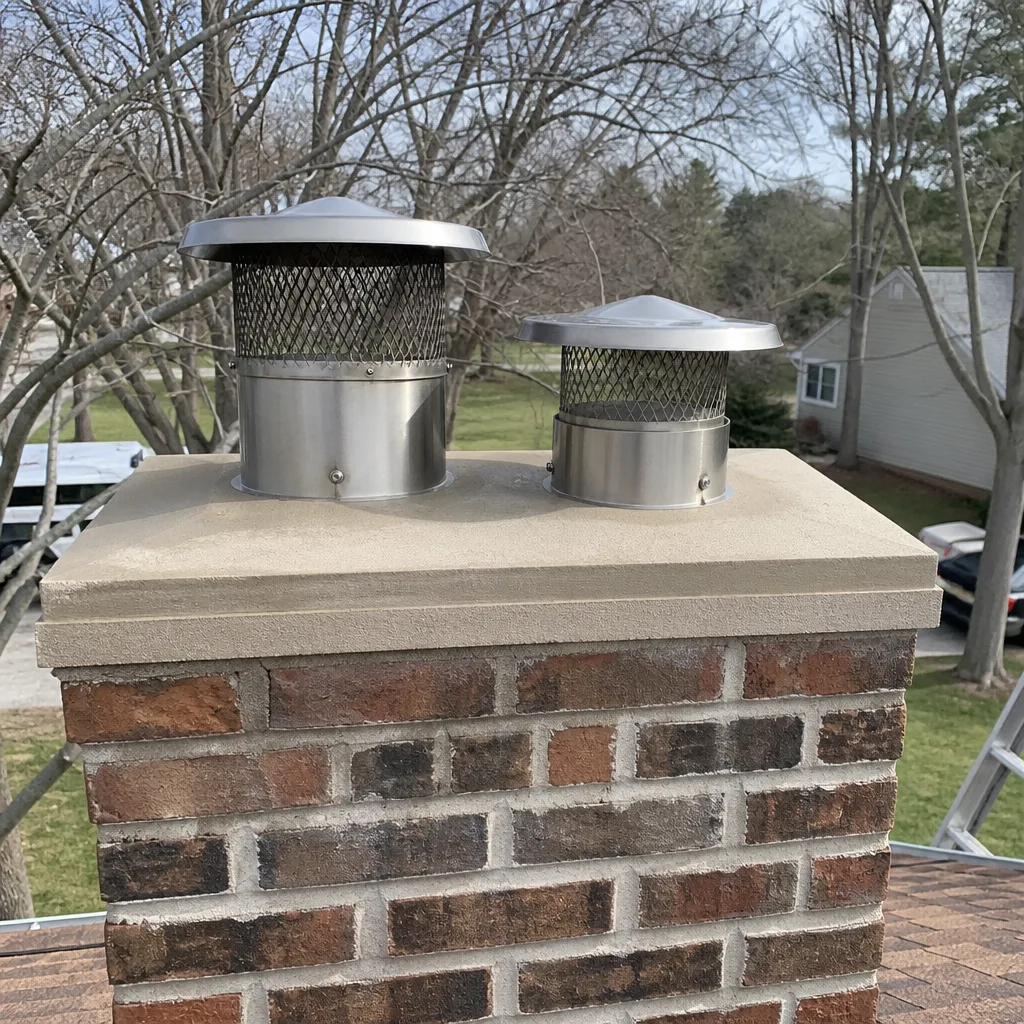 After
After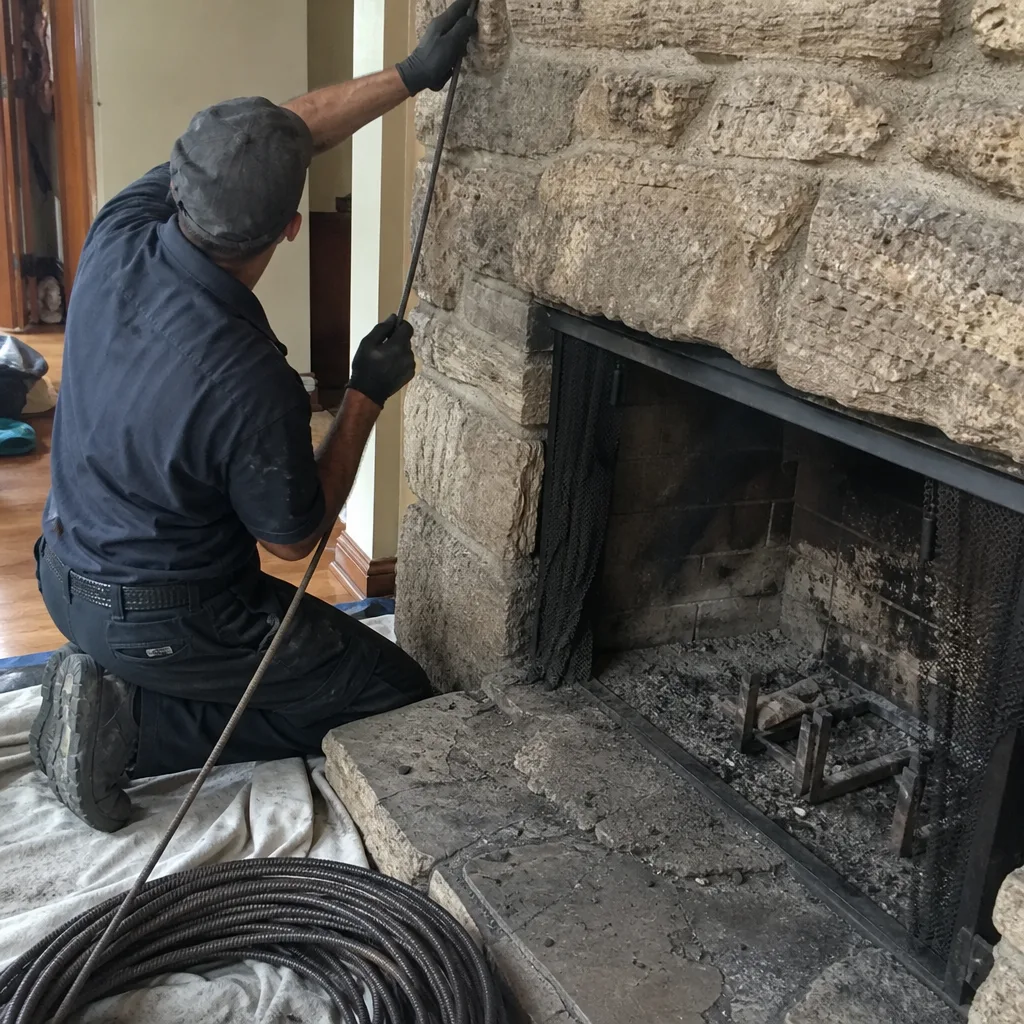 Before
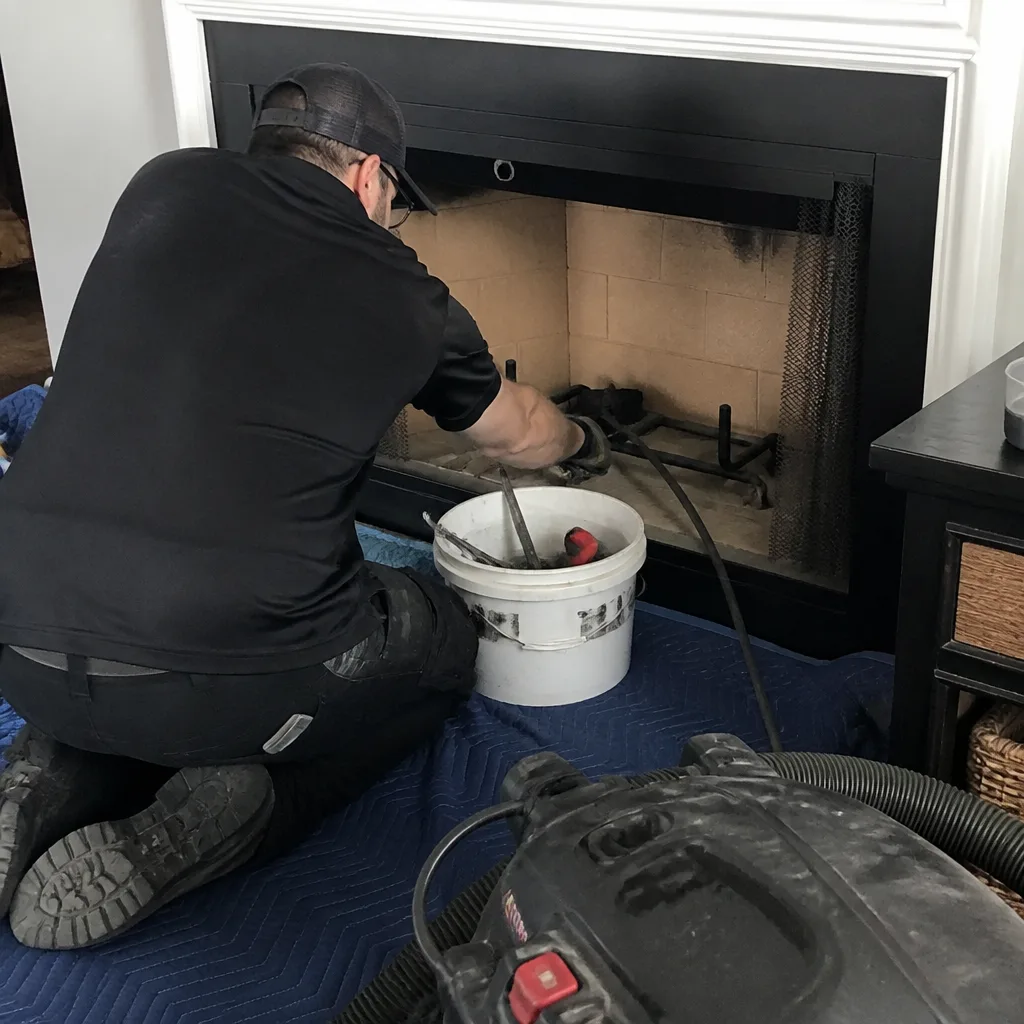 After
AfterChimney Cleaning Warning Signs: A Hoffman Estates Homeowner’s Reference Guide
A strong smoke smell in your Hoffman Estates living room in July - when the fireplace hasn’t been used in months - is a more urgent warning sign than visible creosote during a burn season inspection. One indicates active negative-pressure pulling combustion byproducts into your living space; the other is expected and manageable. The smell is the emergency.
Most warning sign guides list symptoms without telling you what they look like at different severity levels, or what it costs to ignore versus address them; for a deeper look at when to handle maintenance yourself, see our DIY vs Professional Chimney Cleaning: The Hoffman Estates Homeowner’s Decision Guide. This reference pairs each sign with a severity classification, a probable cause, and the actual repair cost range if deferred, so you can distinguish normal aging from pre-fire conditions.
Quick Answer
The most critical chimney warning signs in Hoffman Estates are: persistent smoke or tar odor during off-season months (indicates draft reversal and potential carbon monoxide risk), white alkaline haze on fireplace glass after a single fire (signaling rapid creosote buildup), and black flaky debris falling into the firebox (Class III creosote requiring immediate sweep). Most other signs - minor exterior staining, small mortar cracks, or light soot accumulation - are normal aging that can be addressed during routine maintenance.
Table of Contents
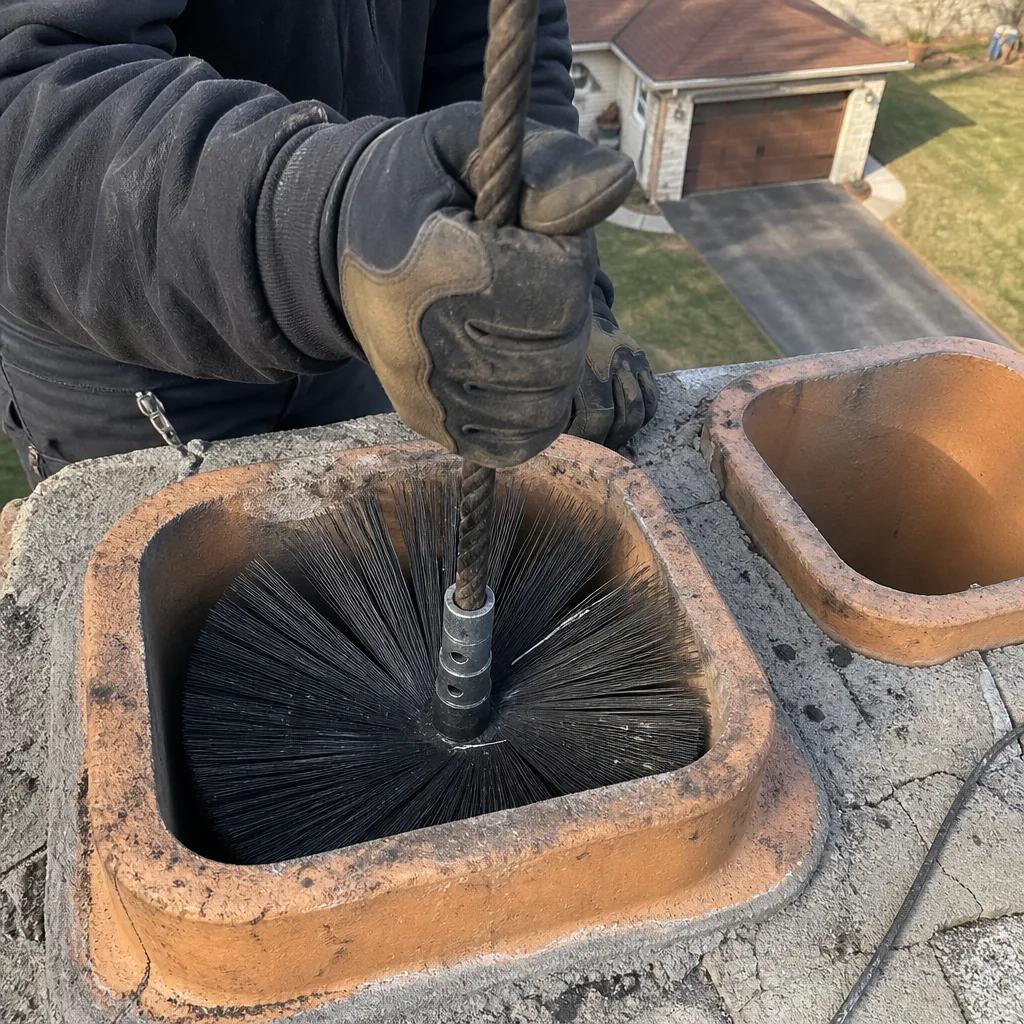
- Odor Taxonomy: Three Smells, Three Different Emergencies
- Exterior Visual Signs and Their Severity Grades
- Interior Signs That Require Same-Week Service
- What’s Normal: Signs That Don’t Require Immediate Action
- How to Photograph and Describe a Warning Sign for Accurate Phone Assessment
- What Deferred Maintenance Actually Costs in Hoffman Estates
- Common Mistakes to Avoid
- When to Call a Professional
- Frequently Asked Questions
 Before
 After
AfterOdor Taxonomy: Three Smells, Three Different Emergencies
Not every chimney smell means the same thing. In Hoffman Estates, where we see a mix of 1980s-built colonials with original clay flue liners and newer construction with factory-built metal chimneys, the odor profile tells us more than the age of the house.
Creosote Smell (Sulfurous, Present During Use)
This is the sharp, chemical smell you notice when first lighting a fire or when the fireplace has been running for an hour. It’s normal in small amounts. It becomes abnormal when:
- The smell penetrates into upstairs bedrooms or the basement (indicates liner breach or negative pressure)
- It persists more than 30 minutes after the fire is out
- You can taste it on your tongue - that’s acrid particulate, not just odor
Severity: Low to moderate. A Level 1 or Level 2 sweep typically resolves it.
Deferred cost: $180-$340 for sweep if caught early; $1,200-$4,500 if creosote has glazed and requires chemical treatment or rotary removal. For full pricing context, read The Complete Guide to Chimney Cleaning in Hoffman Estates.
Draft-Reversal Smell (Persistent, Off-Season)
This is the emergency we opened with. You smell smoke, tar, or a wet-ashtray odor in July. In Hoffman Estates, this often happens after weatherization projects - new windows, attic air sealing, or a high-efficiency furnace replacement that changes household pressure dynamics. The chimney, which used to draft upward, is now the path of least resistance for air entering the house.
Structural cause: Negative pressure in the conditioned space, often compounded by a missing or failed chimney cap that allows down-drafting.
Severity: High. Carbon monoxide risk if combustion appliances share the chimney or are in the same pressure zone.
Deferred cost: $85-$250 for cap installation if that’s the sole issue; $2,800-$6,500 if the flue requires relining to establish proper draft independent of house pressure.
Animal or Organic Smell (Musty, Rotting, or Ammonia-Sharp)
Raccoons in Hoffman Estates chimney flues peak in late March through May, when females seek den sites. The smell is unmistakable: musty fur, then ammonia if waste accumulates, then sweet-rotting if a juvenile dies. Squirrels are more common in factory-built chimneys with exposed chase tops; their smell is drier, more nutty.
Severity: Moderate to high. Animal nesting material is a recognized chimney fire accelerant.
Deferred cost: $150-$400 for humane removal and sweep; $3,200-$7,800 if nesting material has blocked the flue, caused moisture damage to the liner, or required chase top replacement with a screened model from Olympia Chimney or Famco.
Exterior Visual Signs and Their Severity Grades
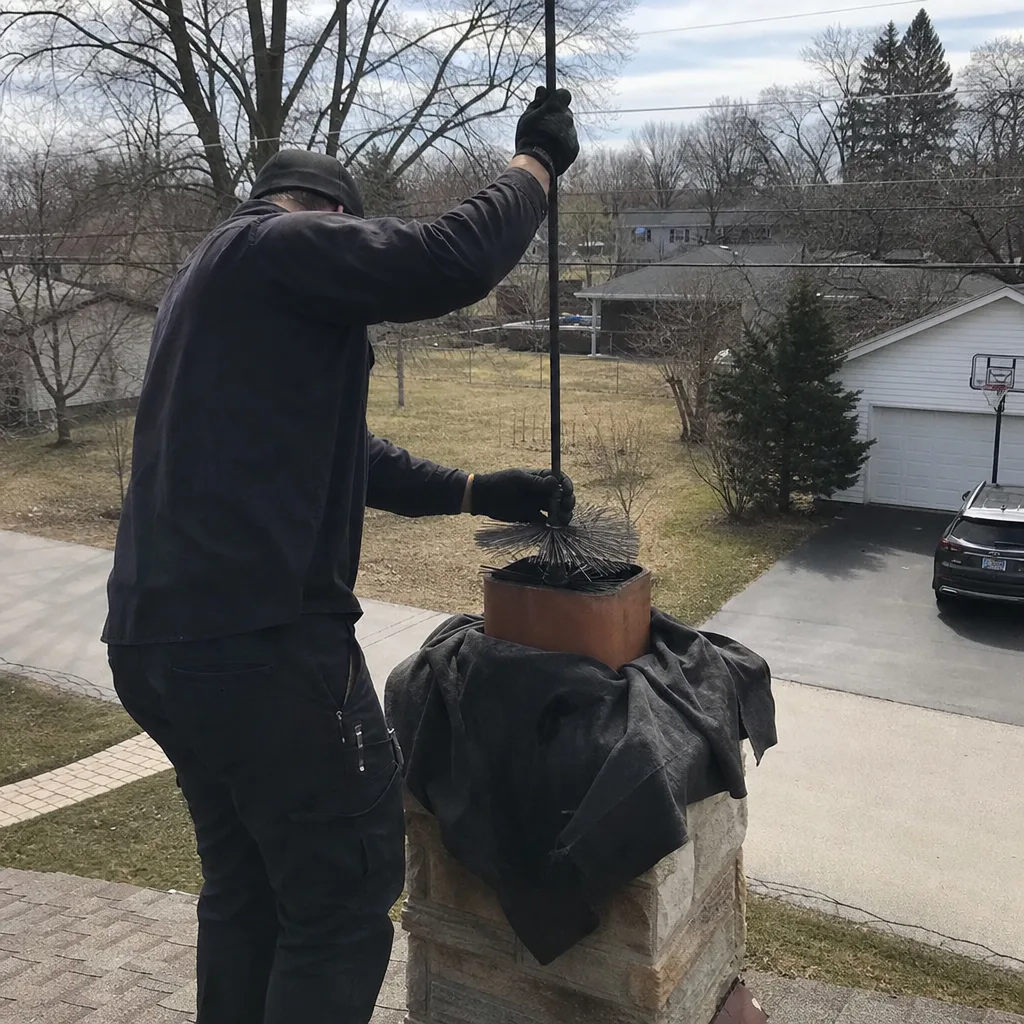
Hoffman Estates experiences freeze-thaw cycles from late October through April that accelerate masonry deterioration. The village’s building code requires permits for structural chimney repairs exceeding $500 or involving footing work, which triggers inspection. Here’s how to read what you see.
Efflorescence (Early Stage)
White powdery deposits on brick faces. This is soluble salt migration from moisture moving through the masonry. It’s cosmetic in year one, diagnostic by year three.
What it means: Water is entering the chimney structure, usually through a failed crown, deteriorated mortar joints, or a missing cap.
Action: Schedule inspection within the season. Not same-week urgent, but don’t carry it through another freeze cycle.
Deferred cost: $350-$800 for crown seal or spot tuckpointing now; $4,500-$12,000 for partial rebuild if water infiltration causes internal spalling and liner damage.
Spalling Brick Faces (Moderate Stage)
The brick surface flakes, pops, or peels like an onion skin. In Hoffman Estates, we see this most on south- and west-facing chimney exposures where daily freeze-thaw is most aggressive. The brick face has delaminated; the structural unit beneath may still be sound, or may not.
What it means: Water has saturated the brick, frozen, expanded, and destroyed the fired skin. The brick is now porous and will absorb more water faster.
Action: Inspection within two weeks. Spalling rarely reverses; it accelerates.
Deferred cost: $1,200-$3,500 for selective brick replacement and crown repair; $8,000-$18,000 for full rebuild if the wythe (inner wall) is compromised or the liner has shifted.
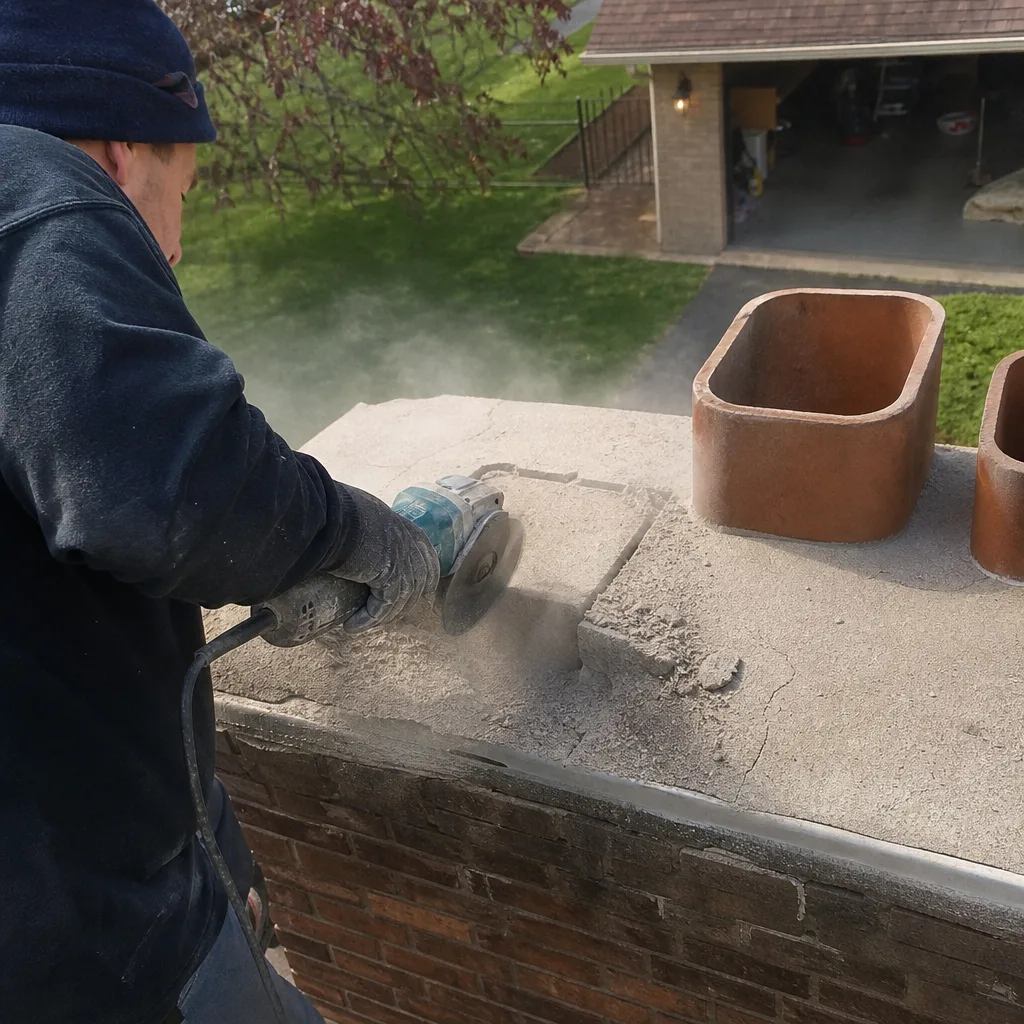
Mortar Joint Recession Over 1/4 Inch (Structural, Permit-Triggering)
When you can fit a pencil into the gap between bricks, or the mortar sits visibly recessed from the brick face, the chimney’s structural integrity is in question. In Hoffman Estates, joint recession this deep typically indicates the original lime-based mortar has eroded, or a previous repointing used Portland cement that trapped moisture and accelerated deterioration.
What it means: The chimney is no longer a monolithic structure. Lateral load from wind or seismic shift can cause cracking or collapse.
Action: Inspection within one week. This condition may trigger the village’s permit requirement.
Deferred cost: $2,500-$6,000 for proper tuckpointing with compatible mortar; $10,000-$25,000+ for rebuild if structural movement has occurred.
Chimney Lean or Separation from Structure
Any visible tilt, or a gap between chimney and siding/roofline, is advanced failure. In Hoffman Estates’ clay soils, foundation settlement can transfer to chimney footings. This is not a sweep issue; it’s a structural contractor issue, but the chimney professional documents it first.
Action: Immediate. Do not use the fireplace. Call for inspection same day.
Interior Signs That Require Same-Week Service
These are the signs we tell Hoffman Estates homeowners to photograph and call about immediately, even if it’s not burn season. For more guides & resources, visit our blog.
White Haze on Fireplace Glass After One Fire
Clear glass turning white or gray after a single burn indicates alkaline residue from incomplete combustion. The fuel (typically unseasoned wood or high-moisture content) is producing water vapor and volatile compounds that condense on the cool glass. More critically, the same condensation is happening inside the flue, where it mixes with smoke particles to form glazed creosote.
What it means: Your wood moisture content is above 25%, or your fire is being choked for smoldering. The flue is accumulating fuel for a chimney fire.
Action: Stop burning. Schedule sweep and inspection within the week. Switch to properly seasoned wood (under 20% moisture) before next use.
Deferred cost: $220-$380 for sweep and moisture assessment; $1,800-$4,200 if glazed creosote requires chemical treatment or the liner has sustained heat damage from prior near-fire conditions.
Visible Black Flaking Falling Into the Firebox
These are pieces of Class III creosote - hardened, tar-like, or puffy/crumbly deposits that have built up on the flue walls and are now detaching. They range from potato-chip brittle to honeycomb puffy. All forms are highly combustible.
What it means: The flue has significant creosote buildup, likely over multiple seasons. A chimney fire is probable, not just possible.
Action: Do not use the fireplace. Same-week sweep required. We document the deposit type with photos under Haven Standard Clause 4.
Deferred cost: $280-$650 for heavy-duty sweep with rotary equipment; $3,500-$8,500 if the flue liner has cracked from prior thermal stress and requires HeatShield resurfacing or stainless steel relining with DuraFlex.
Damper That Won’t Fully Close or Open
A damper that sticks, wobbles, or leaves a visible gap when “closed” is more than an efficiency problem. In summer, it allows conditioned air to escape. In winter, it allows cold air to sink into the firebox, creating temperature differential that drives condensation in the flue. But the urgent issue: a partially open damper during a fire reduces draft velocity, increasing creosote deposition and allowing smoke spillage.
What it means: Warped damper plate, failed pivot pin, or debris obstruction (often from deteriorated flue liner pieces).
Action: Inspection within one week. Do not use fireplace until assessed.
Deferred cost: $180-$450 for damper repair or replacement; $2,200-$5,500 if debris indicates liner failure requiring relining.
What’s Normal: Signs That Don’t Require Immediate Action
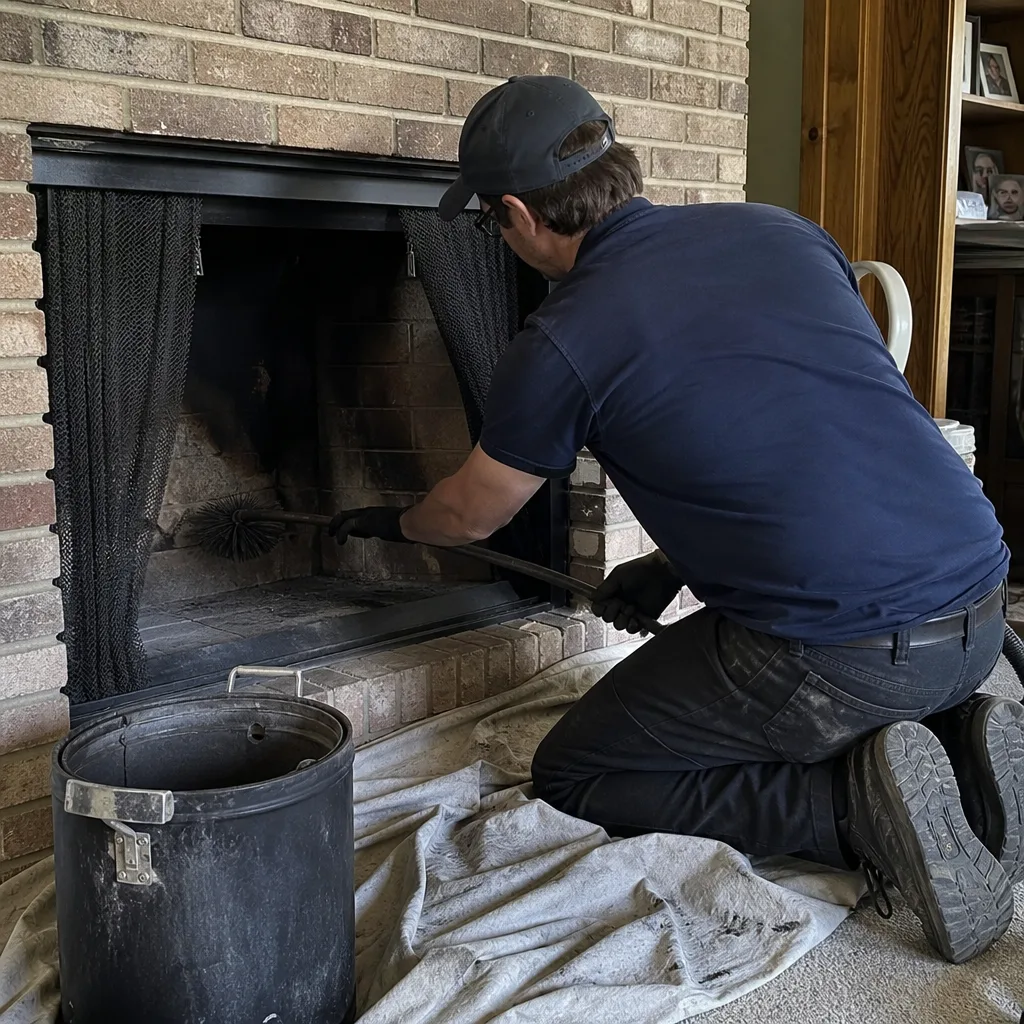
Not everything is an emergency. We regularly talk Hoffman Estates homeowners down from unnecessary service calls when they describe these conditions. Here’s the threshold where normal becomes abnormal.
Light Soot Accumulation on Firebox Walls
Normal: Thin black or brown film that wipes off with a finger. Expected after a season of use.
Abnormal: Thick, crusty, or shiny deposits; accumulation above the firebox in the smoke chamber; or soot on the hearth extension outside the firebox opening.
Minor Exterior Staining Below the Cap
Normal: Light gray or black streaking on the top 2-3 courses of brick from weathering and minor condensation.
Abnormal: Staining extending more than 12 inches down, rust streaks (indicates metal component failure), or green/black organic growth (indicates chronic moisture).
Small Hairline Cracks in Firebox Refractory
Normal: Cracks under 1/8 inch that don’t widen when heated. Refractory panels expand and contract; minor cracking is expected.
Abnormal: Cracks exceeding 1/4 inch, cracks that gap open during firing, or pieces that have broken away exposing the metal wrapper or firebrick behind.
Slight Mortar Crumbling at Firebox Joints
Normal: Surface powdering at joint edges, no depth.
Abnormal: Joint recession allowing air infiltration behind the firebox, or mortar missing to finger depth.
Seasonal Draft Variation
Normal: Harder to establish draft on very humid summer days or when indoor-outdoor temperature differential is minimal. This is physics, not pathology.
Abnormal: Draft reversal that persists once fire is established, smoke spillage into room, or draft problems that coincide with weatherization work or new appliance installation.
How to Photograph and Describe a Warning Sign for Accurate Phone Assessment
We can often save Hoffman Estates homeowners an unnecessary dispatch with good information upfront. Here’s how to document what you’re seeing.
- Photograph in natural light. Flash photography on masonry washes out color variation that indicates moisture damage. Shoot exterior signs between 10 a.m. and 2 p.m. with the sun behind you.
- Include scale. Place a coin, pen, or your hand next to cracks, spalling, or deposits. “Brick is flaking” and “brick face has detached to 3/8 inch depth” produce very different recommendations.
- Shoot the context, not just the symptom. A photo of white haze on glass should include the full firebox. A photo of exterior damage should show the chimney’s relationship to roofline and siding.
- Note timing and conditions. “Smell started after furnace replacement last October” or “Black flakes appeared after two weekends of burning pine” gives us diagnostic information that changes our assessment.
- Describe the smell in specific terms. “Like a campfire” versus “like asphalt” versus “like a wet dog” point to different sources. Duration matters too: “Only when fireplace is lit” versus “Constant since March.”
- Send photos before calling if possible. Our live phone support can route images directly to the technician assigned to your area. We often provide preliminary guidance same hour.
When you schedule chimney cleaning in Hoffman Estates, we bring the camera equipment to confirm or revise our phone assessment. No charge for the revision - Haven Standard Clause 1 requires the written price match the actual scope.
What Deferred Maintenance Actually Costs in Hoffman Estates
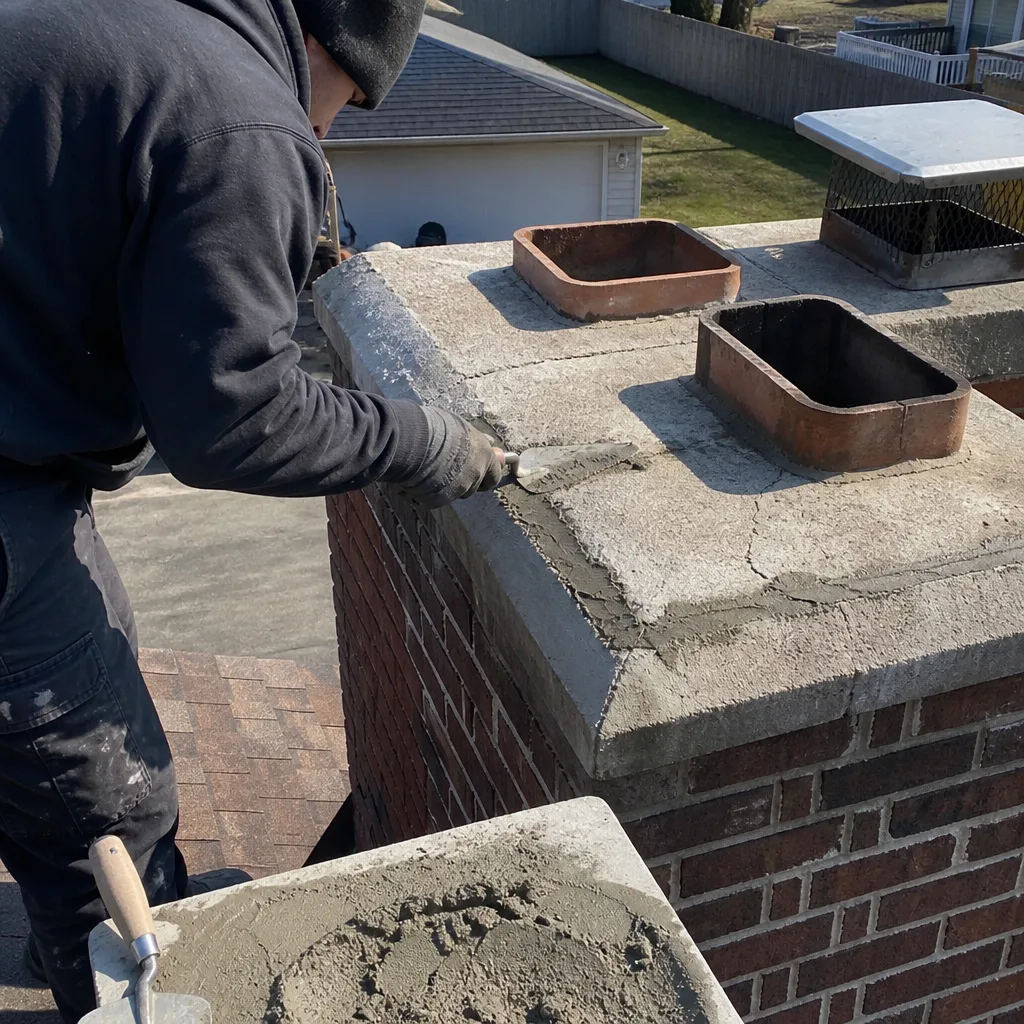
This table pairs warning signs with their typical address-now cost versus their typical defer-and-repair cost. These ranges reflect Hoffman Estates market rates for licensed, insured work with permit compliance where required.
| Warning Sign | Address Now | Defer 1-2 Seasons | Defer 3+ Seasons |
|---|---|---|---|
| Light efflorescence, intact crown | $350-$800 (crown seal, spot tuckpointing) | $1,200-$3,000 (crown rebuild, moderate tuckpointing) | $4,500-$12,000 (partial rebuild, liner assessment) |
| Class I/II creosote (soot/flat) | $180-$340 (standard sweep) | $280-$650 (heavy sweep, possible rotary) | $1,800-$4,200 (glaze removal, possible liner damage) |
| Class III creosote (flaky/honeycomb) | $280-$650 (rotary sweep, chemical treatment) | $1,800-$4,200 (glaze removal, liner inspection) | $3,500-$8,500 (liner repair or replacement) |
| Damper sticking, minor warp | $180-$450 (adjustment or replacement) | $450-$900 (replacement, possible frame repair) | $2,200-$5,500 (if debris indicates liner failure) |
| Spalling brick, limited area | $1,200-$3,500 (selective replacement, crown) | $3,500-$8,000 (extensive replacement, possible wythe repair) | $8,000-$18,000 (full rebuild) |
| Draft reversal, cap missing | $85-$250 (cap installation) | $800-$2,500 (cap plus moisture damage repair) | $2,800-$6,500 (relining for independent draft) |
The pattern is consistent: early intervention costs 15-25% of deferred repair. The gap widens not linearly but exponentially, because each failed component transfers stress to adjacent components. A leaking crown saturates brick; saturated brick spalls in freeze-thaw; spalled brick loses mortar; lost mortar allows liner shift; liner shift causes creosote accumulation in gaps; creosote accumulation risks fire that destroys the liner entirely.
We’ve documented this progression in Hoffman Estates homes from neighborhoods as varied as the original 1960s ranch sections near Higgins Road and the newer construction west of Beverly Road. The architecture differs; the failure cascade does not.
Common Mistakes to Avoid
- Assuming no smell means no problem. Carbon monoxide is odorless. A properly drafting chimney with a cracked liner can vent CO without any smoke smell at all. Annual inspection with a camera scan detects what senses cannot.
- Using the fireplace “just once” to test after noticing a warning sign. This is how minor creosote buildup becomes a chimney fire. If you’ve identified black flakes, white glass haze, or draft problems, the test fire is the risk, not the reassurance.
- Hiring based on the lowest sweep price without verifying what’s included. In Hoffman Estates, we’ve seen $99 “sweeps” that are a brush run from the roof and a business card left on the mantel. A proper chimney cleaning and sweep includes NFPA 211 Level 2 inspection, camera documentation, and a written condition report. Ask what’s included before comparing prices.
- Ignoring exterior signs because “the fireplace works fine.” Structural chimney failure progresses from outside in. By the time interior symptoms appear, the repair scope has typically tripled.
- Waiting for “burn season” to schedule. Hoffman Estates sweep schedules compress between October 15 and December 1. Warning signs identified in March or July can be addressed with full technician availability, better pricing flexibility, and no pressure to use the fireplace before proper assessment.
- Accepting verbal estimates for structural work. Village code and the Haven Standard both require written documentation. A verbal “probably around three grand” protects no one if the scope expands once work begins.
- DIY creosote removal with chemical logs or home remedies. Chemical logs can reduce light soot but will not remove Class III creosote and may mask the condition that requires professional rotary equipment. Home remedies (potato peels, salt, colloidal mixtures) have no NFPA recognition and can accelerate corrosion of metal components.
When to Call a Professional
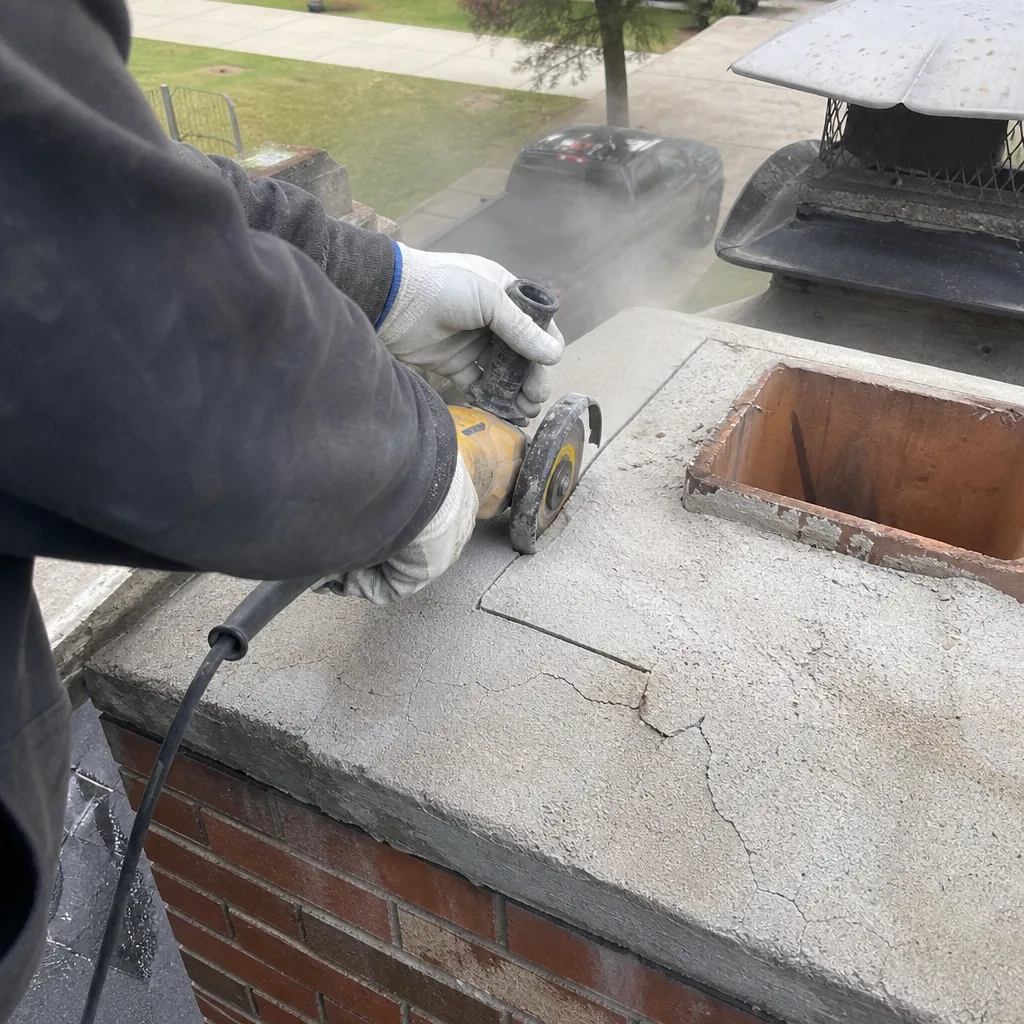
Call same day if you smell smoke or tar odors during off-season months, see black flaky debris in the firebox, or notice any chimney lean or separation from your home. Call within one week for spalling brick, mortar joint recession over 1/4 inch, damper malfunction, or white haze on fireplace glass. Call for annual inspection if none of these signs are present - prevention is the only category with no deferred cost.
Level Two Chimney Hoffman Estates offers free estimates in Hoffman Estates. Every estimate includes a written price, written scope, and written warranty before any work begins - Haven Standard Clause 1. We’ve completed more than 38,000 chimney inspections and cleanings since 2009, every one with a documented photo record under Clause 4. Call (331) 200-4445 to schedule or to send photos for preliminary assessment.
Frequently Asked Questions
A standard chimney sweep and NFPA 211 Level 2 inspection in Hoffman Estates typically runs $180-$340, depending on flue accessibility, number of appliances served, and creosote severity. Heavy buildup requiring rotary equipment or chemical treatment ranges $280-$650. We deliver a written price before work starts - no exceptions. Call (331) 200-4445 for an exact quote; estimates are free.
You should never accept a liner replacement recommendation without seeing camera documentation of the damage. Under Haven Standard Clause 4, we provide dated photos of any liner crack, spalling, or gap that would justify replacement. If another company recommends relining, our Free Second Opinion service reviews their written estimate against our camera findings. In Hoffman Estates, we’ve found that roughly 30% of liner replacement recommendations we’ve second-opinioned were premature based on actual flue condition.
NFPA 211 recommends annual inspection for all chimneys, and sweeping when creosote buildup exceeds 1/8 inch. For Hoffman Estates homeowners who burn wood as primary heat, that typically means annual sweeping. Occasional users (fewer than 20 fires per season) may alternate years if inspection shows minimal buildup. Factory-built fireplaces and gas inserts have different protocols - we assess each system type individually during inspection.
Skipped maintenance doesn’t produce immediate failure; it produces escalating risk. Creosote accumulates, increasing chimney fire probability. Moisture enters through minor crown cracks, accelerating masonry decay. Liner damage progresses unseen until it either blocks the flue (smoke backup) or breaches (carbon monoxide infiltration). The cost curve is steep: a $280 sweep deferred becomes a $3,500 liner repair deferred becomes a $12,000 rebuild. Or, in the worst case, it becomes a house fire or CO poisoning event that no cost can reverse.
Summer humidity reactivates creosote deposits, producing the sulfurous odor. More critically in Hoffman Estates, summer air conditioning creates negative pressure that pulls air down the chimney rather than allowing it to draft up. If you smell persistent smoke or tar odors in July, that’s draft reversal - not normal seasonal odor - and it warrants inspection for pressure balance and cap integrity.
Hairline cracks under 1/8 inch that don’t gap during heating are typically normal thermal stress. Cracks exceeding 1/4 inch, cracks that widen when heated, or any crack that exposes metal or insulation behind the refractory panel require professional assessment before next use. Refractory panels are designed to contain fire and protect surrounding structure; compromised panels transfer heat to combustible framing. We document panel condition with photos during every fireplace service in Hoffman Estates.
A basic sweep removes accessible deposits from the firebox and lower flue. A Level 2 inspection, which we perform on every visit, includes camera scan of the full flue length, smoke chamber and firebox assessment, exterior evaluation from roof or ladder, and written documentation of all findings with photos. The camera scan detects liner damage, hidden creosote buildup, and obstruction that a basic sweep cannot see. Since 2009, we’ve made this the default - it became Haven Standard Clause 4 - because flashlight inspections miss the conditions that cause fires and CO incidents.
The Bottom Line
Chimney warning signs exist on a severity spectrum, and most homeowners’ anxiety comes from not knowing where a given symptom falls. Persistent off-season odors, white glass haze, black flaking debris, and any exterior structural change require prompt professional assessment. Light soot, minor hairline cracks, and seasonal draft variation are normal conditions that routine maintenance addresses. The critical skill is distinguishing urgency from routine - and getting camera documentation so you’re not relying on guesswork or sales pressure.
In Hoffman Estates, where freeze-thaw cycles, clay soils, and varied housing stock create a wide range of chimney conditions, annual inspection with photo documentation is the only reliable baseline. Everything else is speculation until the camera goes down the flue.
Written by Corrine Halstead, Owner at Level Two Chimney Hoffman Estates, serving Hoffman Estates since 2009.