
Last updated September 22, 2026
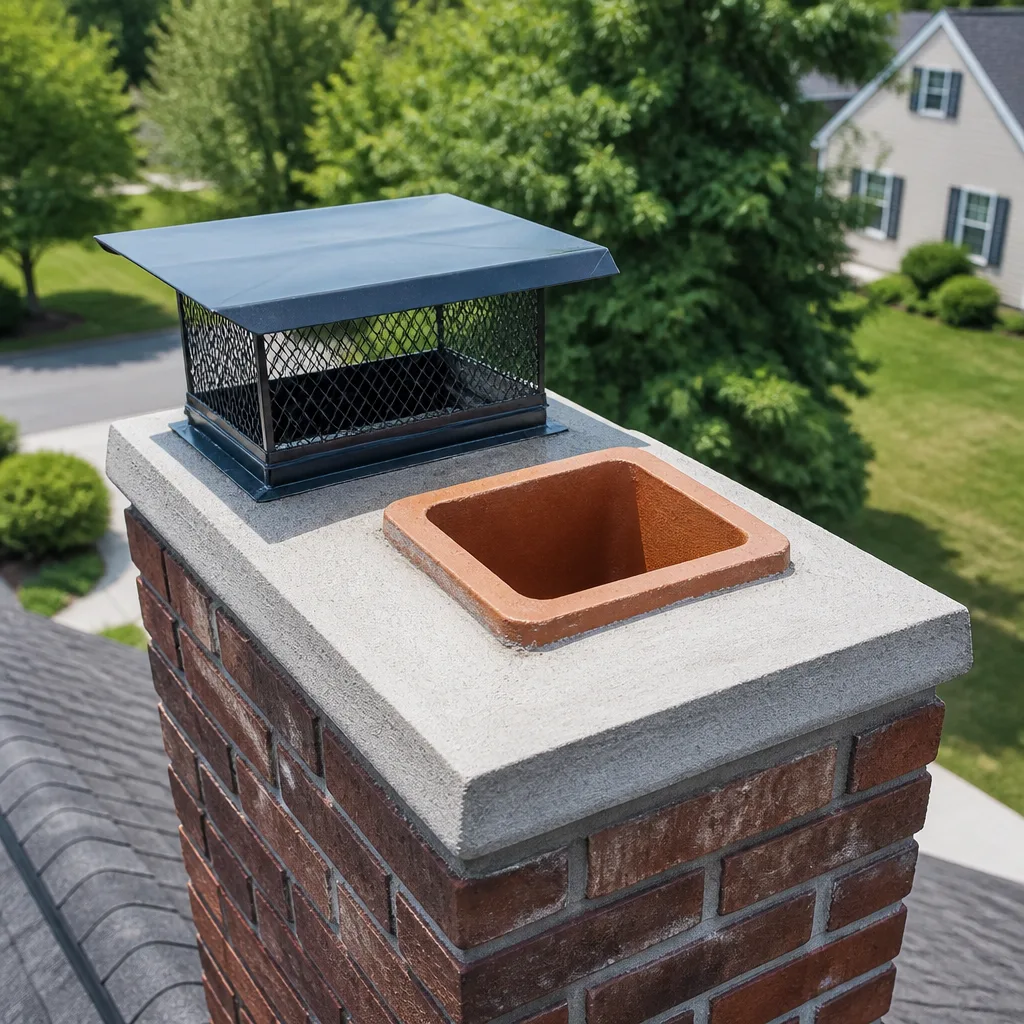
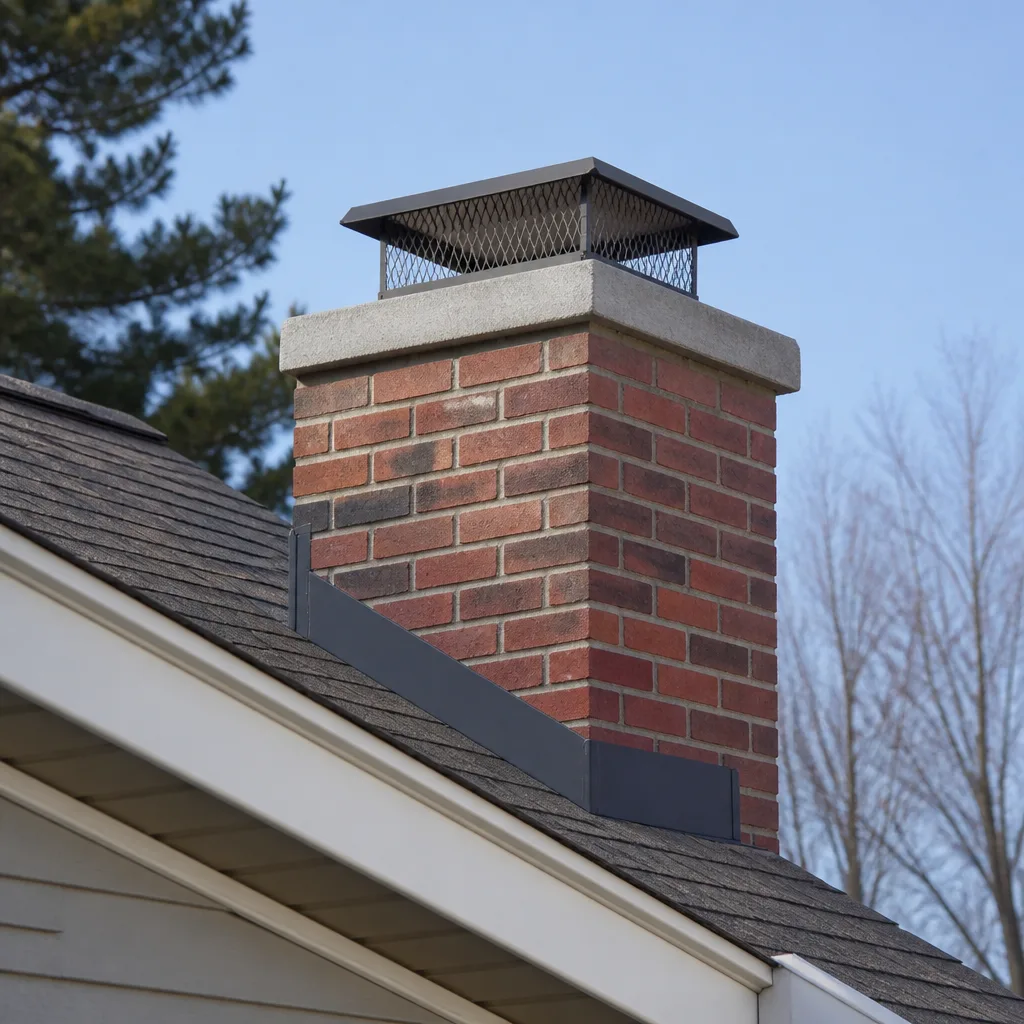
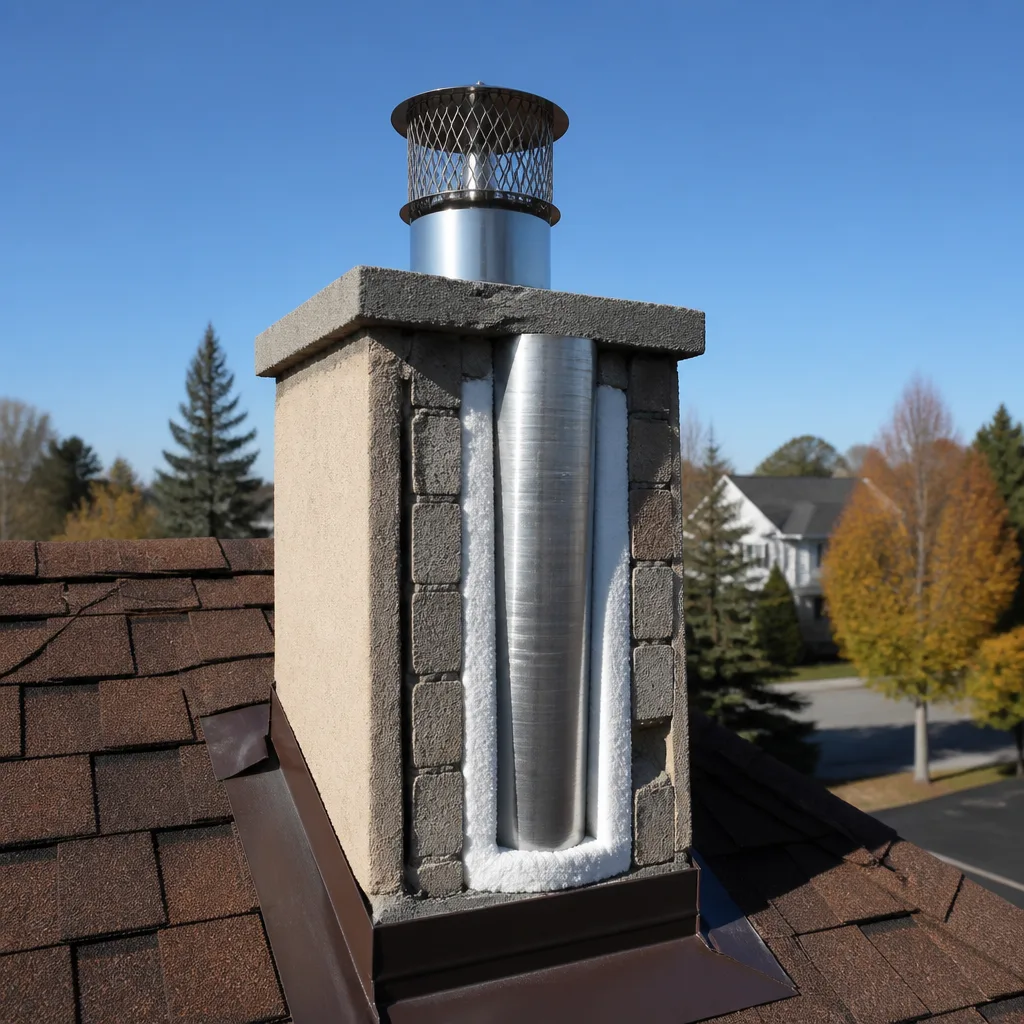
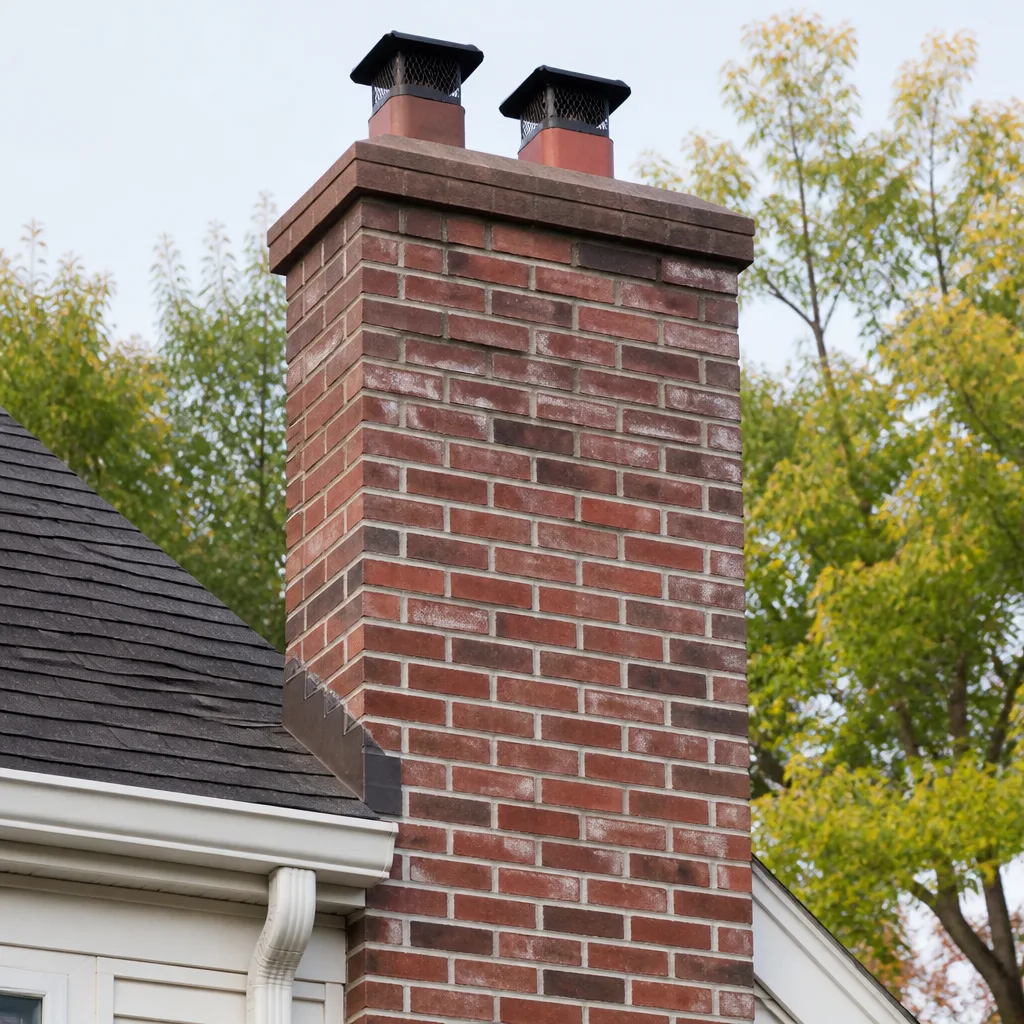
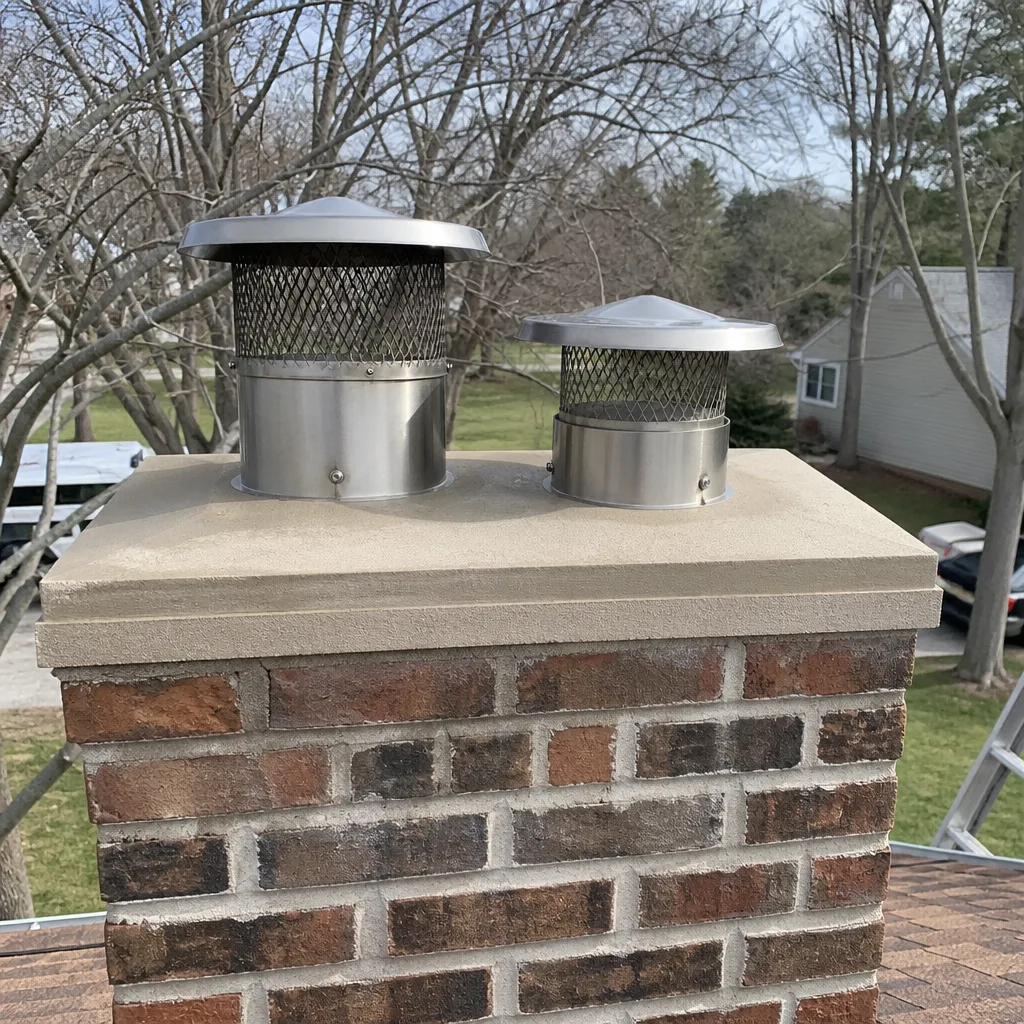
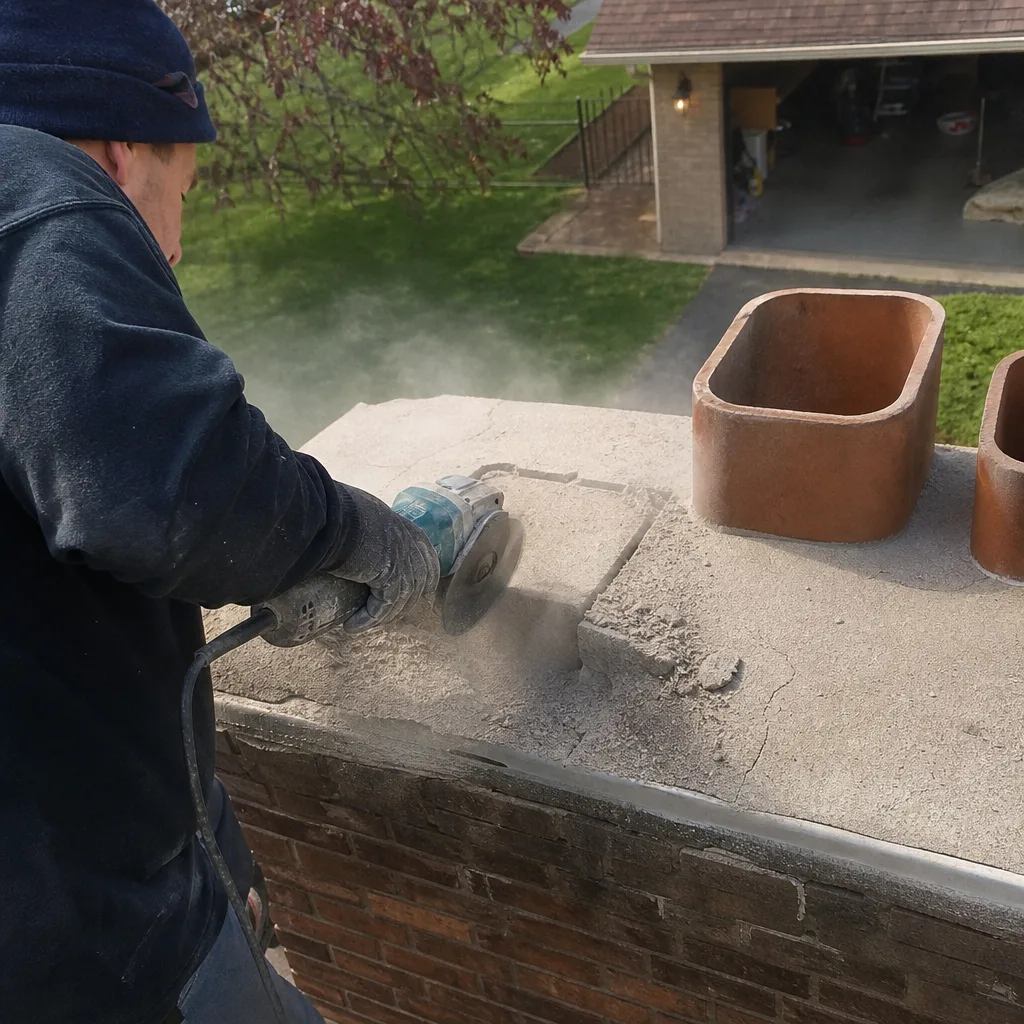
Level 1 sweep and inspection to the NFPA 211 annual standard - flue, crown, cap, and flashing checked and photographed
Chimney sweep logs do not sweep chimneys. They loosen some creosote - which then falls where a brush and vacuum still have to collect it.
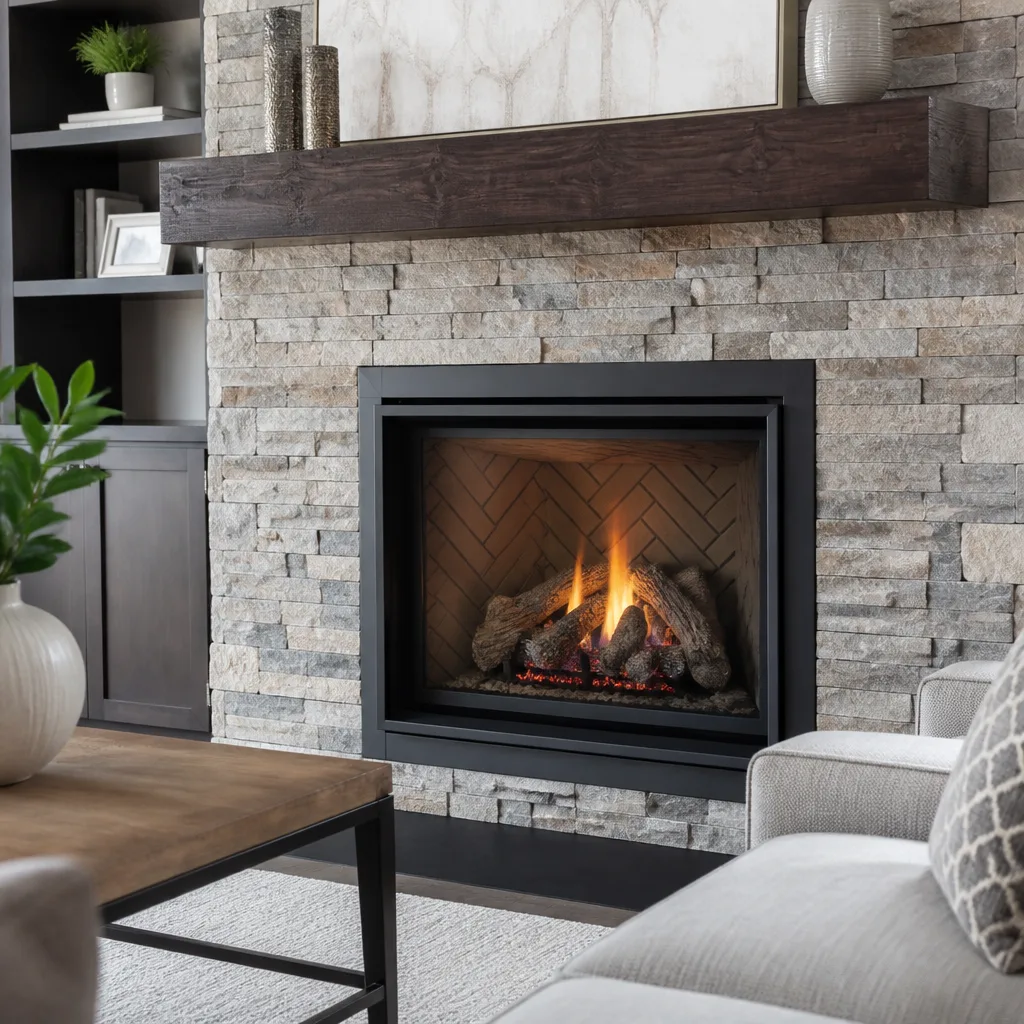
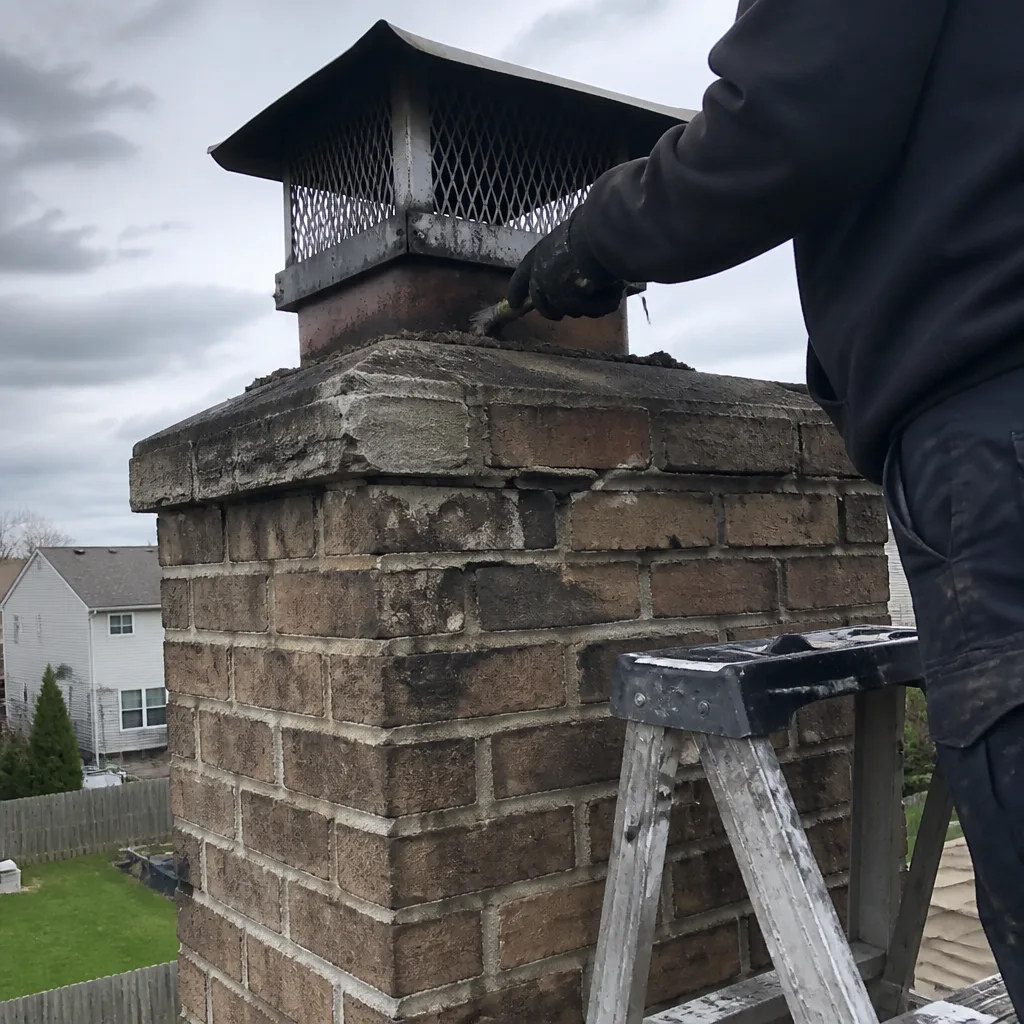 Before
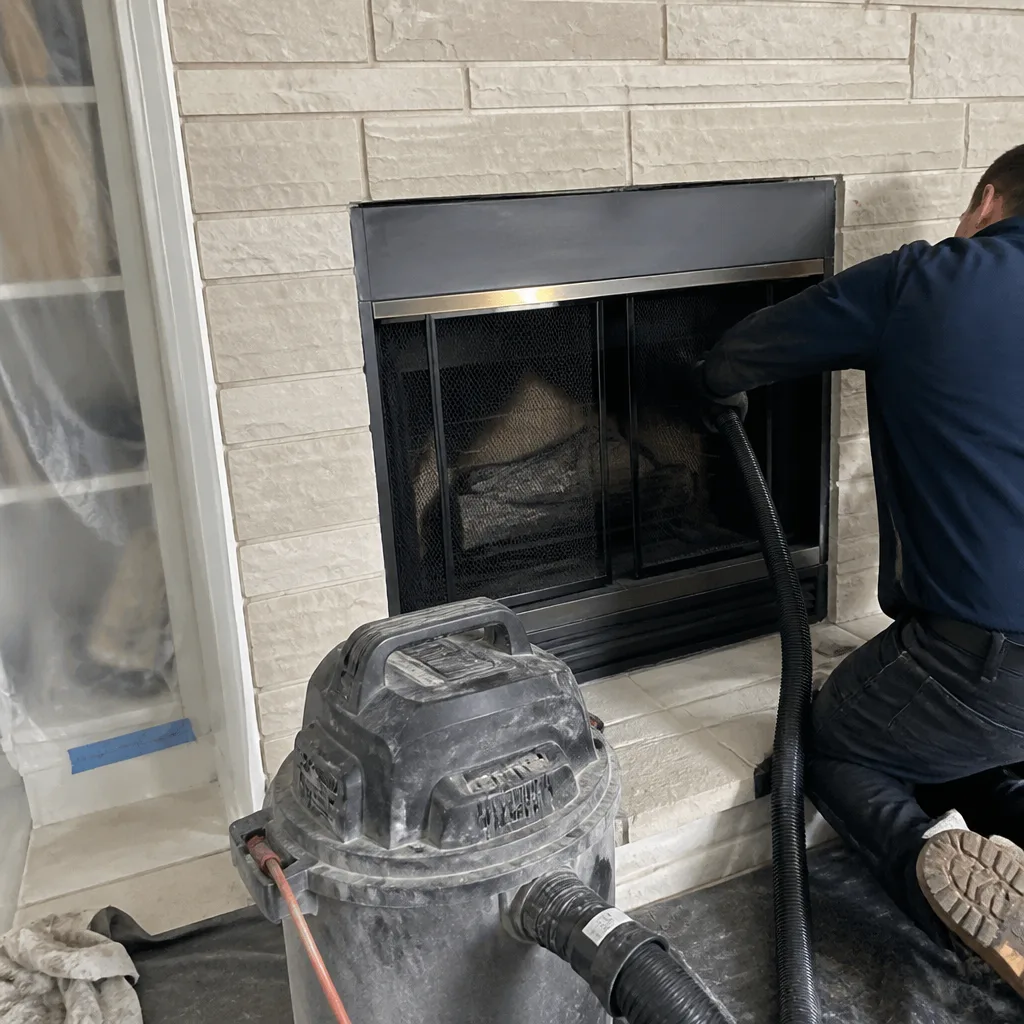 After
After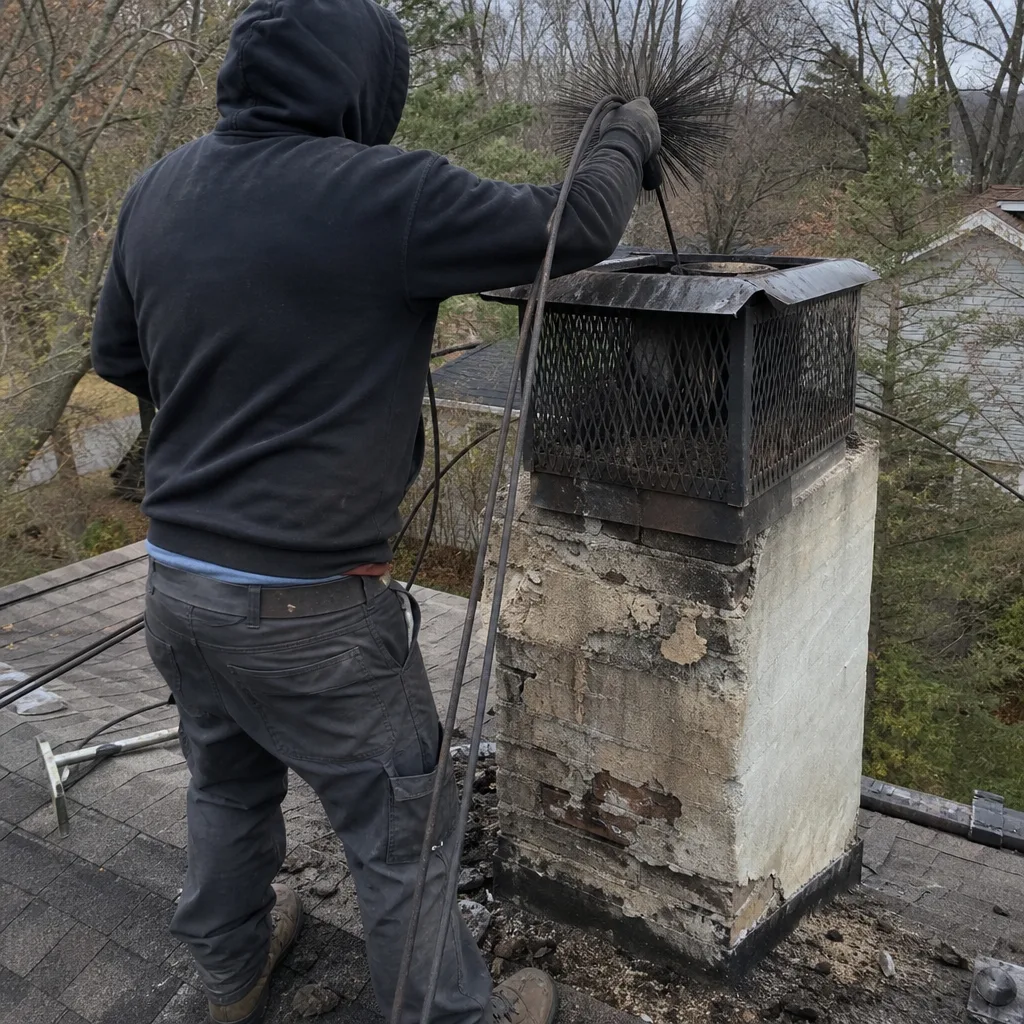 Before
 After
After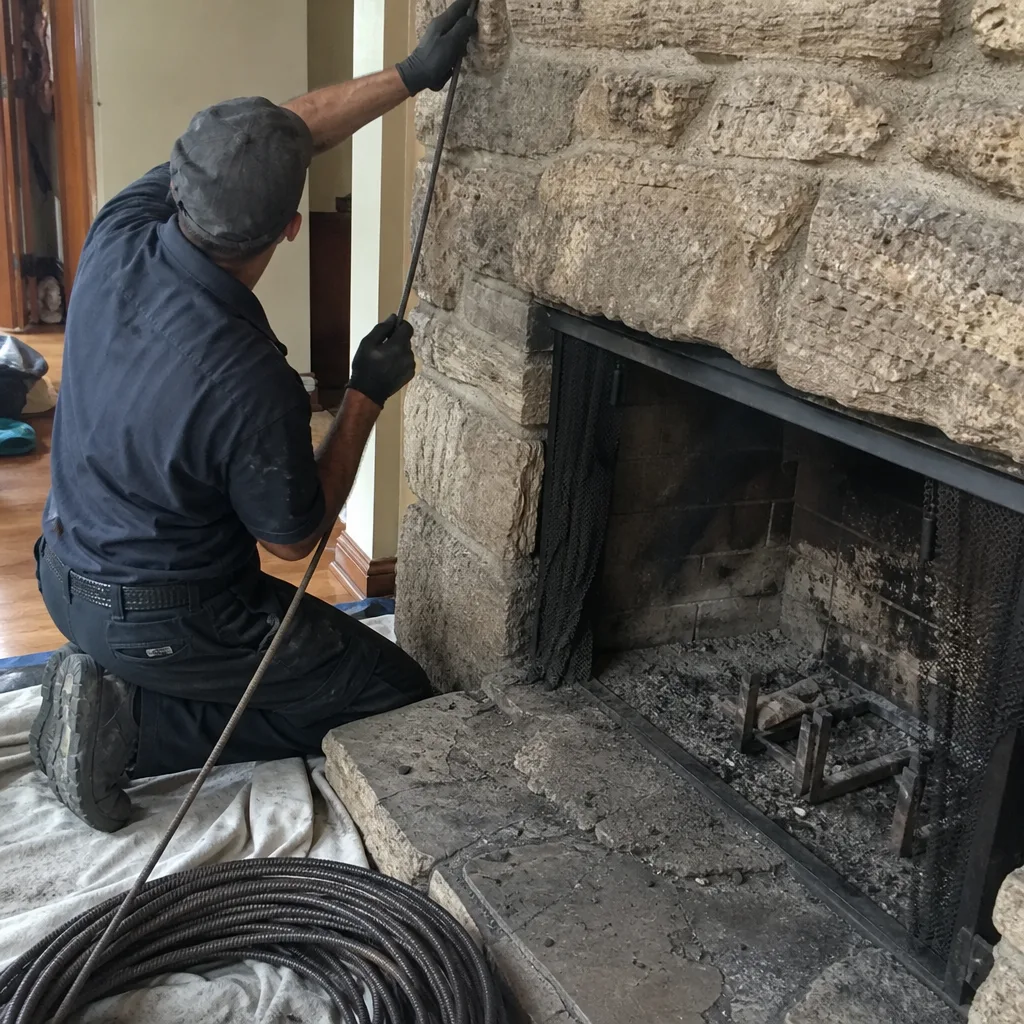 Before
 After
AfterThe Complete Guide to Chimney Cleaning in Hoffman Estates
The NFPA estimates that 25% of home heating fires stem from failure to clean - but the word “clean” never appears in NFPA 211. The standard specifies chimneys must be “free of deposits and obstructions,” which is a measurable condition, not a service description. In Hoffman Estates, where heating season stretches from October through April and oak and maple dominate firewood piles, that distinction matters. Most homeowners hire a “chimney sweep” and receive a brush run and a handshake. What they actually need is a documented chain of custody: a before-and-after camera record proving the flue meets the measurable standard. This guide explains what a complete cleaning produces, why documentation protects you, and how to read an invoice to know whether work was performed or merely billed - and for more guides & resources, see our blog.
Quick Answer
A complete chimney cleaning in Hoffman Estates removes combustible deposits and obstructions from the flue liner, smoke chamber, and firebox, then documents the result with camera images and a written record. In our market, this typically costs $199-$349 for a standard fireplace flue, with Level 2 camera inspection included. Anything less leaves you without proof the work was done or that the chimney is safe to use.
Table of Contents
- What a Complete Chimney Cleaning Actually Produces
- Brush-and-Vacuum vs. Documented Cleaning: What Each Leaves Behind
- Why Hoffman Estates’s Location Raises Baseline Creosote Risk
- Why Level 2 Camera Inspection Is a Prerequisite, Not an Upsell
- The Specific Documentation You Should Hold After a Cleaning
- How to Read a Chimney Cleaning Invoice
- How Often Should a Chimney Be Cleaned in Hoffman Estates?
- Common Mistakes to Avoid
- When to Call a Professional
- Frequently Asked Questions
 Before
 After
AfterWhat a Complete Chimney Cleaning Actually Produces
NFPA 211 does not use the word “sweep.” It requires chimneys to be “inspected, cleaned, and maintained” to remain free of deposits and obstructions. That three-part requirement - inspect, clean, maintain - produces three distinct deliverables. Most chimney cleaning services in Hoffman Estates deliver one and imply the others.
Here’s what each stage actually means:
- Inspection: A visual and tactile evaluation of accessible components. At minimum, this means the firebox, damper, smoke chamber, and flue liner opening. A Level 1 inspection covers readily accessible portions without tools. A Level 2 inspection, required after a chimney fire, property sale, or fuel change, adds camera scanning of the full flue length, attic and basement access where applicable, and inspection of exterior masonry and crown. In Hoffman Estates, where many homes in the Highlands and Barrington Square areas were built between 1975 and 1995 with clay tile liners, the camera pass often reveals spalling tile, cracked flue segments, or missing mortar joints that a flashlight inspection cannot see.
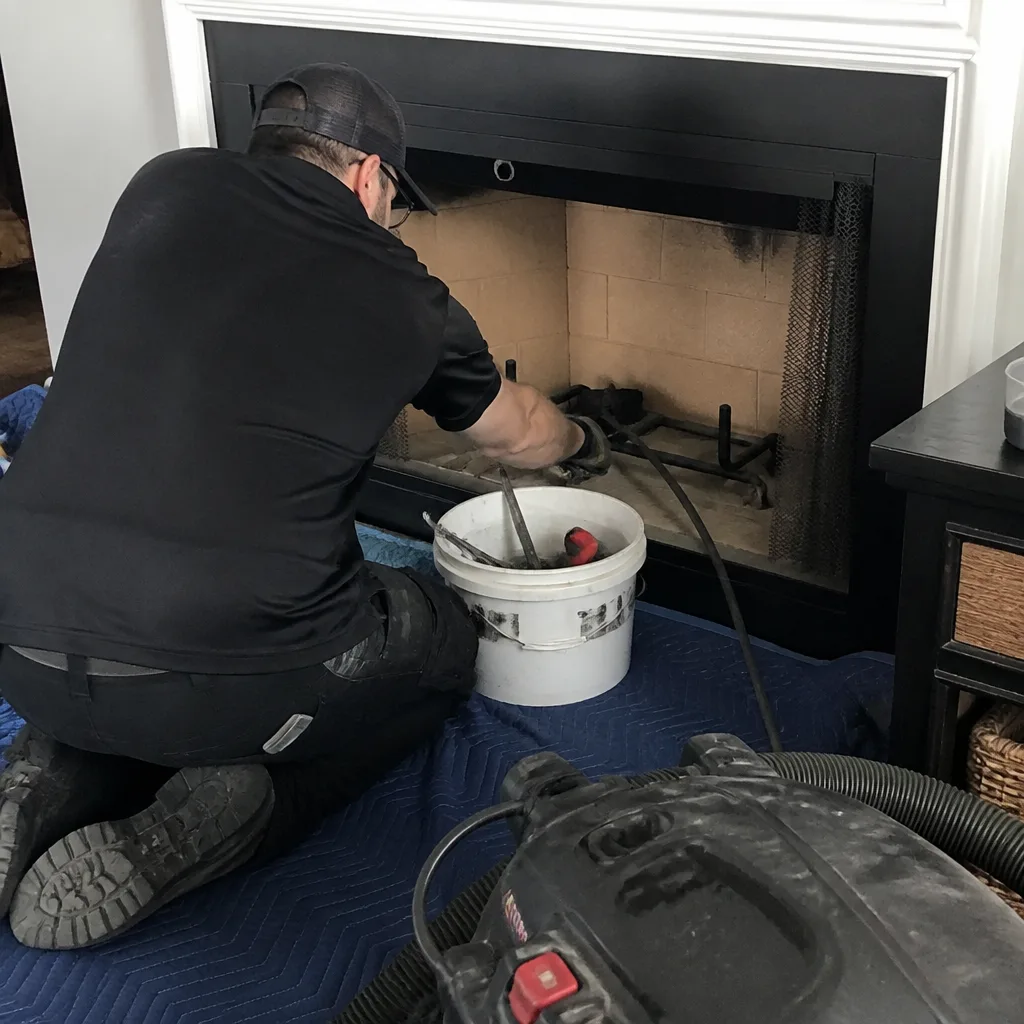
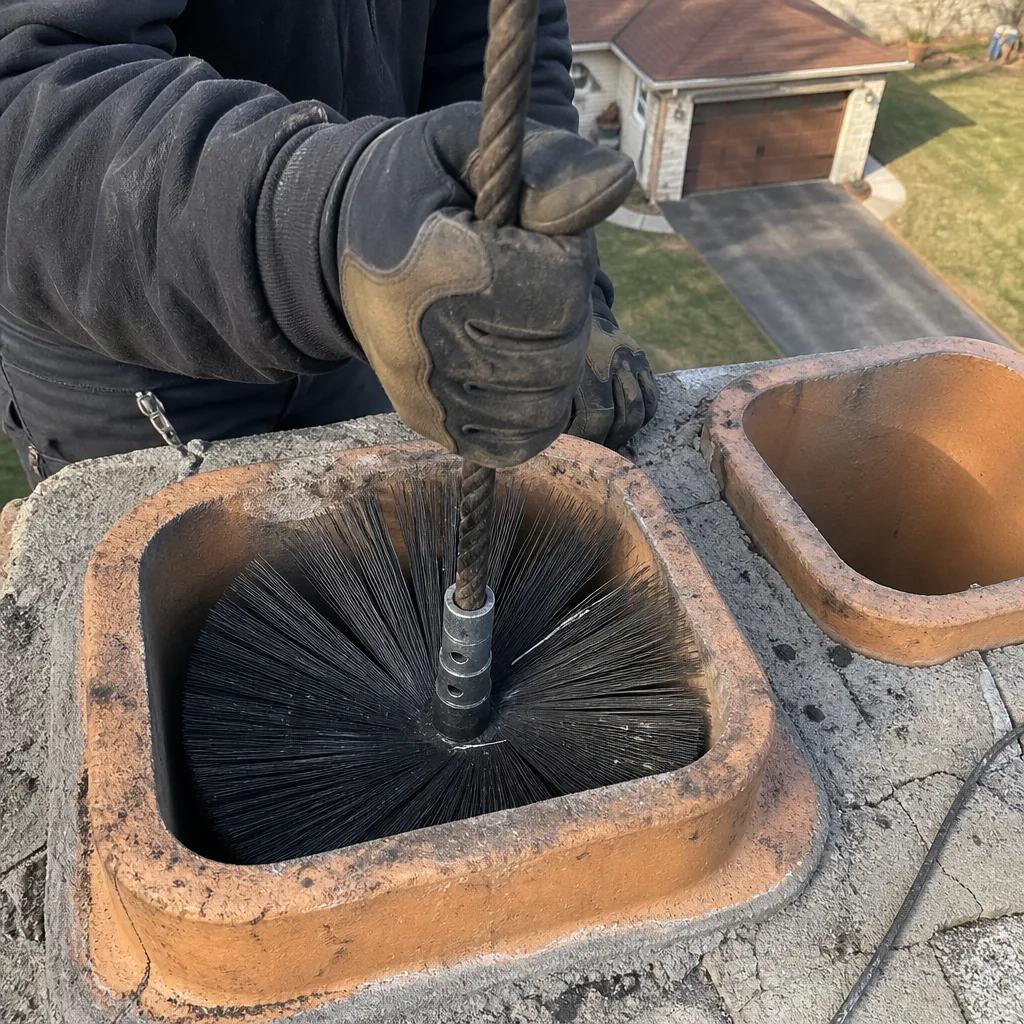
- Cleaning: Mechanical removal of deposits from the flue liner, smoke chamber, damper assembly, and firebox. For a standard wood-burning fireplace, this means rotary brushing or hand brushing the flue, scraping the smoke chamber to remove glazed creosote, vacuuming all accessible areas, and removing debris from the firebox. The standard does not specify tools; it specifies the result. “Free of deposits” means no measurable buildup remains that could ignite or obstruct draft.
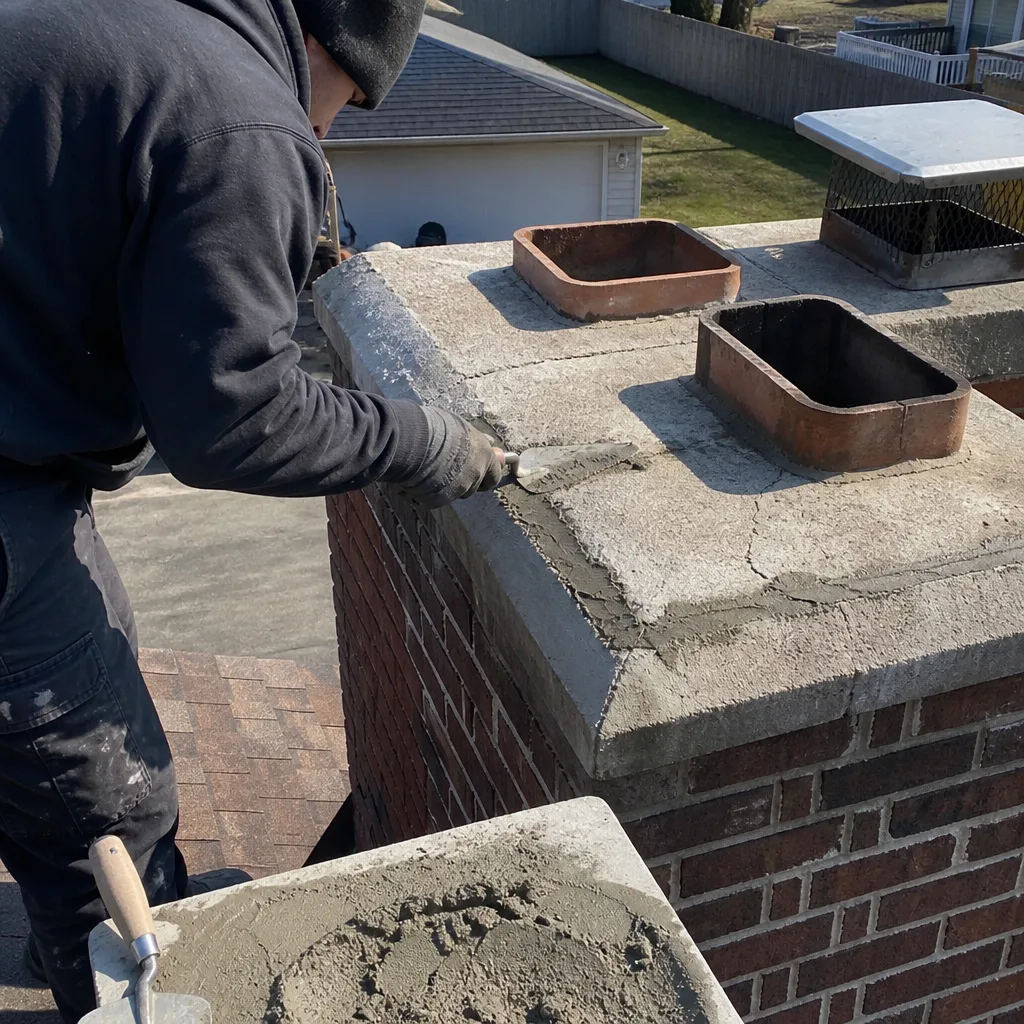
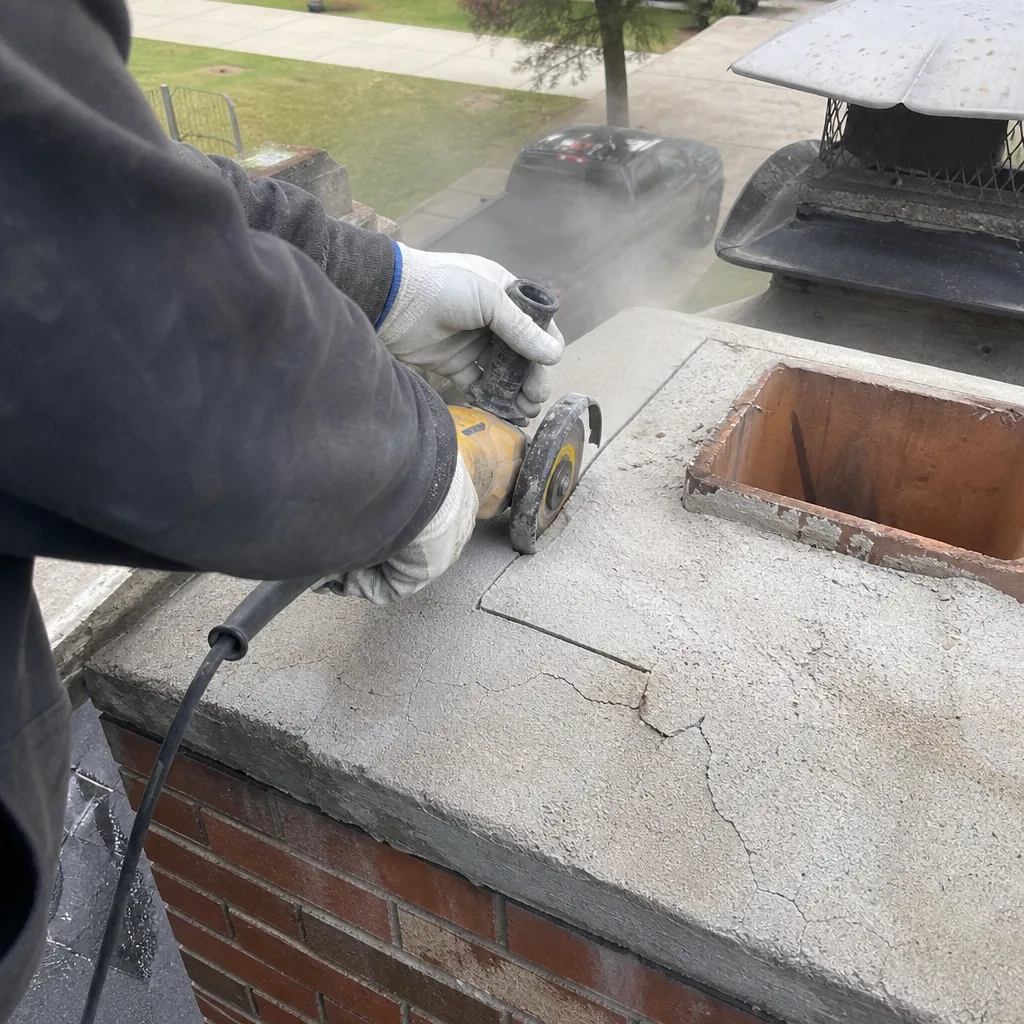
- Maintenance: Repair or replacement of components that prevent future deposit accumulation or structural failure. This includes crown sealing, cap installation or repair, damper adjustment, and liner repair. Without maintenance, cleaning is temporary. We’ve cleaned chimneys in Hoffman Estates that were “swept” six months prior by another company, only to find the missing cap had allowed rain and squirrel nesting to re-obstruct the flue.
The complete cleaning produces a chimney that meets the measurable standard, plus documentation proving it. That documentation is what your insurer requests after a claim, what a home inspector references during a sale, and what a fire marshal examines after an incident.
Brush-and-Vacuum vs. Documented Cleaning: What Each Leaves Behind
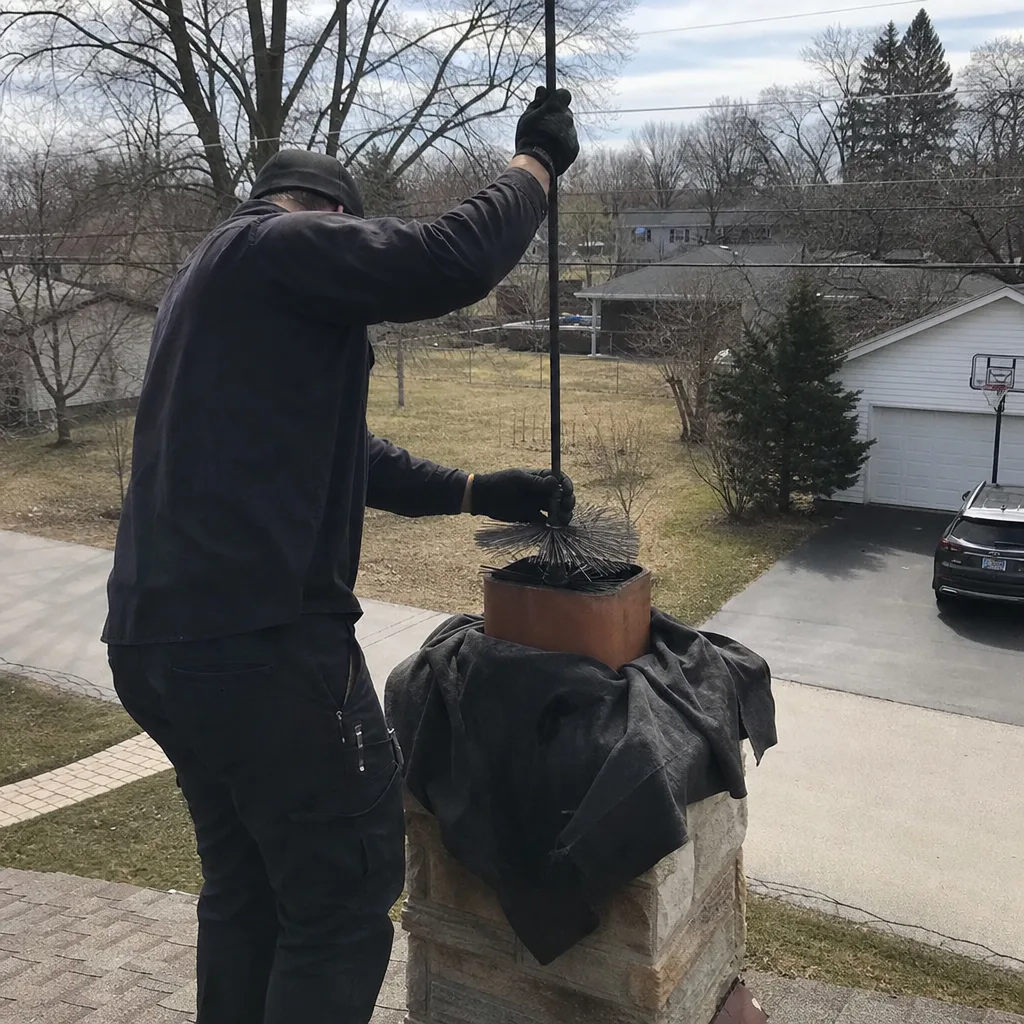
Most homeowners cannot distinguish between a brush-and-vacuum service and a documented cleaning until they need the paperwork. The difference is not in the brushing. It’s in what happens before, during, and after.
Brush-and-vacuum service: A technician arrives with rods, brushes, and a vacuum. They run the brush, collect debris, and leave. You receive an invoice, sometimes a checklist with checkmarks. What you do not receive: dated before-and-after images, a written scope of what was found, a written price agreed before work began, or a warranty. If the chimney fire happens three months later, you have no evidence the flue was clear. We’ve seen invoices from other Hoffman Estates providers that list “chimney sweep” for $149 with no itemization, no inspection classification, and no photo record. That invoice proves payment, not performance.
Documented cleaning: Before any brushing begins, a camera is run the full flue length. Images are captured at regular intervals and at any anomaly. The technician reviews the footage with you or flags it for office review. A written scope and price are delivered for your approval. After cleaning, the camera passes again. Before-and-after images are archived. You receive a record packet: camera images, written scope, final invoice with line items, and warranty terms. In our practice, this is Clause 4 of the Haven Standard, which we’ve applied to every job since 2009.
The table below compares what each approach produces:
| Deliverable | Brush-and-Vacuum | Documented Cleaning |
|---|---|---|
| Pre-cleaning camera inspection | Rarely included | Standard (Level 2) |
| Written price before work starts | Verbal or post-work | Required (Haven Standard Clause 1) |
| Before/after photo record | Absent | Archived, customer copy provided |
| Written scope of findings | Checklist or none | Detailed, with measurements |
| Warranty documentation | Verbal assurance | Written, with 365-Day Done Right Promise |
| Insurer-acceptable proof | No | Yes |
In Hoffman Estates, where home values in neighborhoods like Stonington and Chatsworth range from the mid-$400s to over $700,000, the documentation gap matters during resale. A buyer’s inspector who finds an undocumented “clean” chimney will typically order a new Level 2 inspection. That costs you $250-$400 and delays closing.
Why Hoffman Estates’s Location Raises Baseline Creosote Risk
Hoffman Estates sits in Cook County’s northwest corridor, where the continental climate produces sharp temperature swings and a heating season averaging 180-200 days annually. That extended burn period is the first risk multiplier. The second is fuel chemistry.
Most firewood burned in Hoffman Estates comes from northern Illinois and southern Wisconsin forests: red oak, white oak, sugar maple, and silver maple. These are dense hardwoods that burn hot and clean when seasoned 18-24 months. But “seasoned” is a loose term in practice. We’ve tested moisture content in firewood piles across Hoffman Estates and found readings from 15% to 45%. Wood above 25% moisture content produces significantly more creosote because incomplete combustion releases unburned hydrocarbons that condense in the cooler upper flue.
The third factor is flue temperature cycling. In Hoffman Estates’s climate, exterior chimneys on north and west exposures experience rapid cooling during cold snaps. A flue that runs at 300°F during active burning can drop below 250°F at the top within minutes of damper closure. That temperature band, 250-300°F, is where volatile gases condense into liquid creosote that hardens into glazed deposits. Glazed creosote, or Class III creosote, cannot be removed with standard brushing. It requires chemical treatment or rotary mechanical removal.
Finally, Cook County’s air quality regulations and Hoffman Estates’s density mean many homes operate fireplaces with restricted draft or energy-efficient envelopes that reduce makeup air. Tight homes pull less combustion air through the firebox, lowering flame temperature and increasing particulate output. The result: a chimney in Hoffman Estates typically accumulates creosote faster than an identical installation in a milder climate or a leakier house.
For these reasons, we recommend baseline inspection intervals shorter than the NFPA’s maximum. Where the standard allows annual inspection, Hoffman Estates homeowners burning two or more cords per season should consider mid-season checks, particularly if burning partially seasoned wood or operating inserts with limited air control.
Why Level 2 Camera Inspection Is a Prerequisite, Not an Upsell
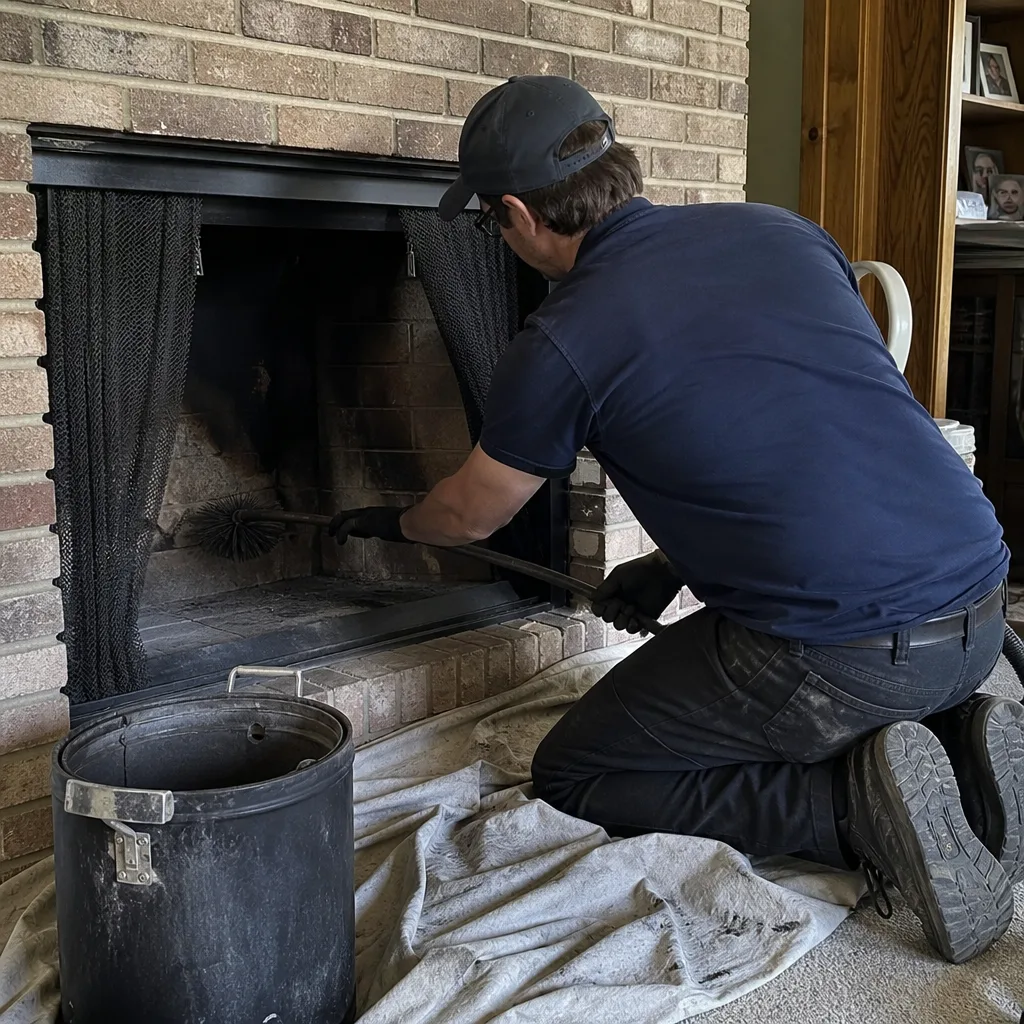
The standard chimney cleaning assumes a sound flue liner. If the liner is cracked, spalled, or partially collapsed, brushing can worsen the damage and will not produce a safe chimney. You cannot know the liner condition without looking. A flashlight from the firebox reveals the first 12-18 inches. A camera reveals the full length.
We’ve documented this repeatedly in Hoffman Estates. In a 1987 home near Hilldale Drive, a camera pass before cleaning revealed a vertical crack in the third flue tile from the top - invisible from below, undetectable by brush resistance. Brushing that flue would have dislodged tile fragments into the smoke chamber and potentially blocked the flue. We photographed the crack, showed the homeowner, and recommended liner repair before cleaning. Without the camera, we would have cleaned a damaged chimney and left a hazard in place.
Level 2 inspection is also the classification insurers and fire marshals recognize. After a chimney fire, your carrier will ask for the most recent inspection report. A Level 1 checklist with a technician’s initials carries no diagnostic weight. A Level 2 report with dated camera images, measurements, and signed scope meets the documentation threshold for underwriting and code enforcement.
At Level Two Chimney Hoffman Estates, camera inspection is not sold separately. It is the first step of every cleaning, every repair evaluation, and every fireplace service call. This practice predates the 2019 NFPA 211 revision that formally elevated camera documentation; we’ve applied it continuously since 2009. The archive now exceeds 38,000 documented inspections.
The cost of including camera inspection in a cleaning is marginal compared to the cost of missing damage. A standalone Level 2 inspection in Hoffman Estates typically runs $250-$350. Bundled with cleaning, the incremental cost is lower, and the value is substantially higher because it determines whether cleaning alone is sufficient or whether chimney repair must precede it.
The Specific Documentation You Should Hold After a Complete Cleaning
After a complete chimney cleaning in Hoffman Estates, you should possess five documents. Not three, not “a receipt.” Five. Each serves a distinct purpose in warranty, resale, insurance, and safety verification.
- Pre-cleaning camera images: Dated photographs or video frames showing the full flue length before any mechanical work. These establish baseline condition and prove that inspection preceded cleaning. If damage is found later, these images demonstrate whether it pre-existed or resulted from the service.
- Written scope of work: A document, signed or electronically acknowledged, listing what will be done, what was found, and what additional work is recommended. This is your authorization record. Haven Standard Clause 1 requires this before any work begins; we do not start without it.
- Written price agreement: The dollar amount for each line item, total, payment terms, and warranty terms. Not an estimate range - a fixed price. If additional work is discovered during service, the technician must stop, document, and obtain revised authorization. No surprises, no post-work invoice inflation.
- Post-cleaning camera images: Dated photographs or video frames showing the flue after cleaning, demonstrating deposit removal and unobstructed passage. These prove the measurable standard was met. In our practice, Clause 4 of the Haven Standard requires these images to be archived and provided to the customer.
- Warranty documentation: Written terms of the 365-Day Done Right Promise or equivalent guarantee, including what is covered, how to invoke it, and response timeline. This is not a verbal “call us if you have trouble.” It is a document with a claim process.
Store these with your homeowner insurance policy and property records. When you sell your Hoffman Estates home, transfer copies to the buyer. When you file an insurance claim, submit them as evidence of maintenance. When you schedule next year’s service, provide them so the new technician has baseline comparison images.
We’ve encountered homeowners who held only a credit card receipt from a “sweep” service. That receipt proves they paid. It does not prove the chimney was inspected, cleaned to standard, or safe to use. The documentation gap costs them at resale, at claim time, and sometimes in safety.
How to Read a Chimney Cleaning Invoice
An invoice is a communication. What it includes and omits tells you whether work was performed or merely billed. Here’s how to read one with the skepticism of someone who may need to prove compliance someday.
Look for these inclusions:
- Inspection classification: The invoice should state “Level 1” or “Level 2” inspection per NFPA 211. If it says “inspection” without classification, it was likely a visual scan, not a documented evaluation.
- Camera documentation line item: Even if bundled, the invoice should reference camera inspection or digital documentation. Absence suggests no images were captured.
- Specific scope language: “Cleaned flue liner, smoke chamber, and firebox” is specific. “Chimney sweep” is not. The invoice should name what was cleaned, not just what service category was sold.
- Creosote classification: If deposits were present, the invoice should classify them: Class I (sooty, brush-removable), Class II (granular, requires more aggressive brushing), or Class III (glazed, requires chemical or rotary removal). This proves the technician evaluated what they found, not just ran a brush.
- Measurements or counts: “Flue length 18 feet, 6 inches” or “13 flue tiles inspected” demonstrates actual engagement with the system. Generic invoices lack this precision.
- Technician identification: Name or license number of the performing technician, not just the company name. This enables accountability and verifies the person was qualified.
- Warranty reference: Specific terms or a reference to a written warranty document, not “satisfaction guaranteed” without definition.
Watch for these red flags:
- Post-work price changes without written change order and customer initials
- Recommendations for liner replacement, crown rebuild, or other major work without camera images showing the damage
- Pressure to decide on additional work during the same visit without time to review documentation
- Absence of any inspection classification or documentation reference
- Verbal-only warranty with no written terms provided
In Hoffman Estates, we’ve reviewed competitor invoices brought in for our Free Second Opinion service. Some show $89 “special” cleanings with no inspection noted, no camera reference, and a $2,400 liner recommendation on the same page with no supporting images. The homeowner had no basis to evaluate whether the liner was actually needed. Our process requires camera evidence for any recommendation; the images are yours to keep and review.
How Often Should a Chimney Be Cleaned in Hoffman Estates?
The NFPA 211 baseline is annual inspection, with cleaning “as needed.” In Hoffman Estates’s climate and fuel market, “as needed” typically means annually for active wood burners, but the specific interval depends on measurable factors.
Use this decision framework:
- Cord count: Burn one cord or less per season? Inspection annually, cleaning every 2-3 years if deposits are minimal. Burn two cords or more? Annual cleaning is prudent. Burn three cords or more, or burn 24/7 during cold snaps? Consider mid-season inspection.
- Fuel quality: Consistently burned properly seasoned hardwood (below 20% moisture)? Deposit accumulation slows. Burned construction scraps, pallet wood, or partially seasoned oak? Accelerated creosote, often Class III, requiring more frequent service.
- Appliance type: Open fireplace? More particulate emission, faster accumulation. EPA-certified insert with secondary combustion? Cleaner burn, longer intervals possible. But inserts still require annual inspection because the reduced flue diameter and complex venting create different obstruction risks.
- Previous findings: Last inspection showed Class I deposits? Standard interval. Showed Class II or III? Shorten interval and verify fuel quality. Found liner damage or draft issues? Address before returning to normal use.
- Property events: Chimney fire, even minor? Immediate Level 2 inspection and cleaning before next use. New appliance installation? Level 2 inspection required. Home purchase? Level 2 inspection regardless of seller’s disclosure.
In Hoffman Estates neighborhoods with mature tree canopy, like those near Paul Douglas Forest Preserve, we’ve found that homeowners who harvest their own wood often underestimate seasoning time. Oak felled in March and burned in November is not seasoned; it’s barely begun drying. That wood produces heavy, wet creosote that can require cleaning twice in one season.
The practical rule: if you cannot remember your last inspection date, you are past due. If your last service produced no documentation, you do not know what was found or whether cleaning was sufficient. Schedule a documented evaluation and establish a baseline.
Common Mistakes to Avoid
- Hiring on price alone: The $89 “special” in Hoffman Estates typically excludes camera inspection, produces no documentation, and often leads to inflated repair recommendations without evidence. The true cost includes what you pay plus what you risk by having no proof of work performed.
- Assuming a sweep equals an inspection: Brushing removes deposits from accessible surfaces. It does not evaluate liner integrity, crown condition, or draft performance. A chimney can be “swept” and still be unsafe to use.
- Burning unseasoned wood: Hoffman Estates homeowners with backyard oak or maple often burn wood cut within the year. At 30-40% moisture content, this wood wastes heat, produces acrid smoke, and deposits glazed creosote that standard brushing cannot remove.
- Ignoring the smoke chamber: The smoke chamber is the area above the damper and below the flue liner. It is the most common site of Class III creosote accumulation and the most difficult to access. A “flue-only” cleaning misses this critical fire hazard zone.
- Skipping post-cleaning verification: Without a camera pass after brushing, you do not know whether deposits were fully removed or whether brushing dislodged debris that now obstructs the flue. Always request post-cleaning images.
- Discarding documentation: Invoices, images, and warranties belong with your permanent property records. We’ve had Hoffman Estates homeowners call for emergency re-inspection because their insurer requested maintenance documentation they had thrown away.
- Delaying after a chimney fire: Even a small, self-extinguished chimney fire can crack flue tiles, damage mortar, and compromise the liner. Using the fireplace before Level 2 inspection risks carbon monoxide intrusion or a larger, structural fire.
When to Call a Professional
Call a certified chimney professional when you observe any of the following: visible creosote flakes in the firebox, smoke entering the room during normal operation, a strong acrid odor from the fireplace when not in use, white or powdery efflorescence on exterior masonry, or any evidence of a previous chimney fire (discoloration, cracked tiles, damaged mortar). These symptoms indicate conditions beyond routine maintenance.
Also call before any property transaction. In Hoffman Estates’s active resale market, a documented chimney record smooths inspection contingencies and protects both buyer and seller from last-minute negotiations.
Level Two Chimney Hoffman Estates offers free estimates in Hoffman Estates. We’ll review any competitor’s written estimate at no charge through our Free Second Opinion program. Call (331) 200-4445 to schedule a documented evaluation, or to have us explain what your existing invoice actually means.
Frequently Asked Questions
A complete, documented chimney cleaning in Hoffman Estates typically ranges from $199 to $349 for a standard fireplace flue, with Level 2 camera inspection and photo documentation included. Complex systems, such as multi-flue chimneys or those requiring Class III creosote removal, may run higher. We provide a written price before any work begins, with no post-service additions without your approval. Call (331) 200-4445 for an exact quote - estimates are free.
You need a new liner only if the existing liner is damaged, improperly sized, or absent, and only when camera images prove it. Common indicators: cracked or spalled clay tiles, gaps in mortar joints, or corrosion in stainless steel liners. In Hoffman Estates homes built 1975-1995, we’ve found deteriorated clay tile in roughly 30% of inspections, but we recommend replacement only when images show the damage and we can explain how it affects safety. Bring us any competitor’s liner recommendation for a Free Second Opinion.
Skipped cleaning allows creosote accumulation to progress from Class I (sooty, removable) to Class III (glazed, hardened). Class III creosote ignites at lower temperatures and burns intensely, producing chimney fires that can crack liners, damage surrounding structure, and extend to combustible framing. In Hoffman Estates’s extended heating season, a chimney used regularly without cleaning can accumulate hazardous deposits within a single winter. Carbon monoxide risk also rises as obstructions restrict draft. The documented cleaning costs a few hundred dollars; an uncontrolled chimney fire costs thousands in repair and potentially far more.
Active wood-burning fireplaces in Hoffman Estates should be inspected annually and cleaned when deposits exceed 1/8 inch, which typically means annually for households burning two or more cords per season. Occasional users may extend to every two years if inspection confirms minimal buildup. Gas fireplaces require less frequent cleaning but still need annual inspection of the venting system, burner assembly, and carbon monoxide detectors. Schedule based on use, fuel quality, and previous findings, not the calendar alone.
A sweep is a cleaning service: mechanical removal of deposits. An inspection is a diagnostic evaluation of system condition. They are separate procedures under NFPA 211, though they often occur together. A sweep without inspection cleans a chimney that may be structurally unsound. An inspection without cleaning evaluates a chimney that remains obstructed. The complete service includes both, with documentation of each. At Level Two Chimney Hoffman Estates, we do not perform cleaning without preceding camera inspection.
We do not recommend DIY chimney cleaning for Hoffman Estates homeowners. The work requires roof or ladder access, proper brushing equipment for your specific flue size and material, and camera verification that deposits were fully removed. More critically, most homeowners cannot evaluate liner condition, smoke chamber geometry, or draft performance without training. The risk of missing damage or creating an obstruction exceeds the cost of professional service. For safety, hire a technician who can document the result.
Class III creosote is a hardened, glazed deposit that forms when volatile gases condense on cool flue surfaces and bake into a tar-like, often shiny layer. It is highly combustible and cannot be removed with standard brushing. In Hoffman Estates, it develops frequently due to extended heating seasons, partially seasoned hardwoods, and tight home envelopes that cool flues rapidly. Removal requires chemical treatment with products like HeatShield or rotary mechanical systems, followed by verification camera inspection. If your last cleaning did not classify creosote type, you do not know what was in your flue or whether it was fully removed.
The Bottom Line
Chimney cleaning in Hoffman Estates is not a commodity service. It is a documented compliance procedure that protects your home, satisfies your insurer, and preserves your property value. The difference between a brush-and-vacuum visit and a complete cleaning is the difference between a receipt and a record. Demand camera inspection before cleaning, written price before work starts, and photo documentation when it’s done. Store the paperwork with your permanent records. When you need proof, you’ll have it.
Level Two Chimney Hoffman Estates has applied these standards to more than 38,000 chimney services since 2009. Every job includes NFPA 211 Level 2 camera inspection, a written price before work begins, and a documented photo record under Clause 4 of the Haven Standard. We’re independently owned and operated, with background-checked, uniformed technicians and live phone support 24 hours a day.
Call (331) 200-4445 for a free estimate, or bring us any competitor’s written quote for a Free Second Opinion.
Written by Corrine Halstead, Owner at Level Two Chimney Hoffman Estates, serving Hoffman Estates since 2009.